D.C. Ambush Exposes Risks for National Guard on Capital’s Crime Patrols
A deadly ambush on November 26 has cast fresh doubt on the decision to deploy the United States National Guard to patrol the streets of Washington, D.C. under the guise of curbing citywide crime. The incident — which left one Guardswoman dead and another critically wounded — highlights the danger of relying on military forces for urban policing tasks.
The Attack and Its Fallout
Near the city’s Farragut West metro station — just blocks from the White House — a gunman opened fire on two Guards members during what had been described as a “routine patrol.” The 20-year-old Guardswoman died of her injuries; her comrade remains in critical condition. The attacker was wounded and taken into custody. Officials have labeled the assault a deliberate ambush rather than a random act of violence.
The suspect has been identified as a 29-year-old Afghan national who entered the U.S. under resettlement programs. His background — including previous service with a paramilitary unit overseas — has triggered renewed scrutiny over immigration and vetting procedures.
A Controversial Mission from the Start
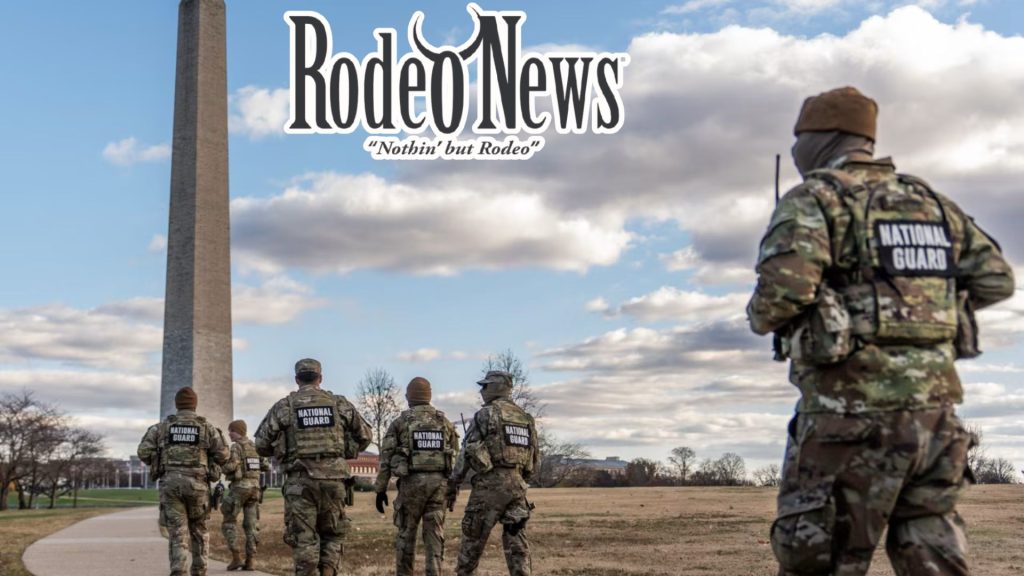
The Guard’s presence in the capital dates back to August 2025, following an executive order that declared a “crime emergency” in the district. The goal: to suppress street crime with a show of force. More than 2,000 troops were deployed under the so-called “Safe and Beautiful Task Force,” tasked with patrolling key corridors, metro stations, and public spaces.
Administration officials quickly credited the deployment with a sharp drop in crime rates — including reductions in homicides, robberies, and carjackings.
Yet critics warned from the beginning that using military personnel for civilian law enforcement raises serious legal, ethical, and safety concerns. Under the Posse Comitatus Act, the military is generally barred from conducting domestic policing operations — a limitation that some argue the Guard’s deployment in D.C. violates.
Indeed, just weeks before the shooting, a federal judge ruled the deployment unlawful. That ruling has been temporarily stayed pending appeal.
Aftermath: Stricter Protocols, Uncertain Future
In the wake of the attack, city officials announced that the Guard will now conduct patrols only when accompanied by local law-enforcement officers — a major shift from their previous, mostly independent operations. The move reflects heightened concern that unaccompanied Guard patrols could expose troops — and civilians — to undue risk.
Yet the administration has doubled down on its commitment, ordering 500 additional Guard members to D.C. despite mounting criticism and legal challenges.
Supporters argue the surge remains the best tool for deterring crime and restoring public safety. Detractors, including former law-enforcement and military officials, warn that militarizing the streets risks escalation, mistakes, and a breakdown in civil-law enforcement norms.
What This Means for Civil-Military Roles
The ambush — and its bitter outcome — underscores how fraught domestic deployments of the National Guard have become. While the losses may intensify calls to withdraw troops, the government appears determined to hold the line, at least for now. The incident forces a broader reckoning with the limits of military involvement in civilian policing, and how far a city — even the U.S. capital — should go in trading civil order for armed presence