Cambodia-Thailand Border Clash Enters Sixth Day Amid Thai PM’s Push for Elections
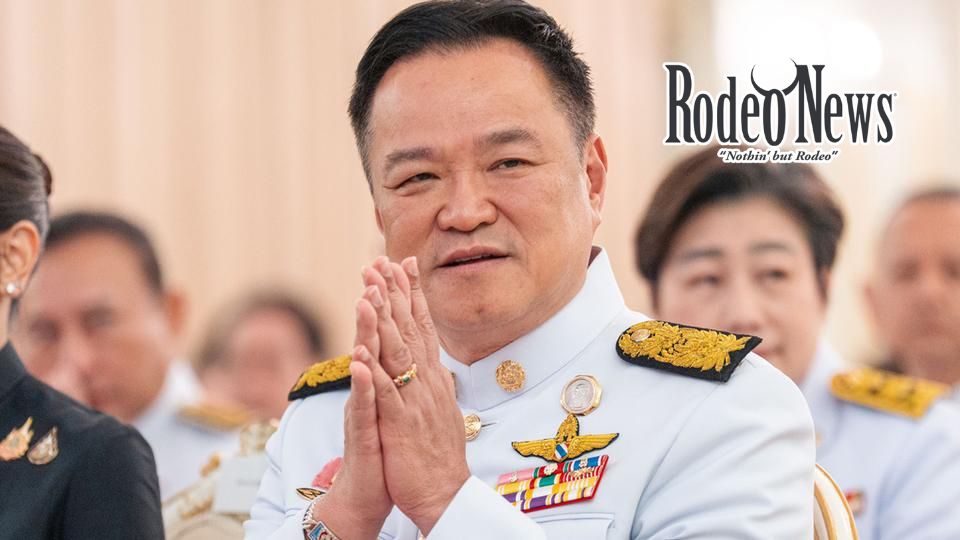
The ongoing border clash between Cambodia and Thailand entered its sixth day as the violence escalated, displacing over 260,000 people and exacerbating tensions between the two nations. The latest developments coincide with Thai Prime Minister Anutin Charnvirakul’s move to dissolve the House of Representatives and call for a new general election, setting the stage for significant political shifts in Thailand.
The fighting, which began nearly a week ago, has caused severe damage along the border, with both military and civilian casualties reported on both sides. The Thai military has continued its aggressive stance overnight, despite growing international calls for restraint.
Continued Aggression on the Border
On December 12, at 9 am local time, Maly Socheata, spokesperson for Cambodia’s Ministry of National Defence, provided an update, confirming that Thai military forces had launched further attacks on Cambodian territory. The violence, which began late on December 11, continued into the early hours of December 12, with shelling and airstrikes reported along several key border points.
“We urge Thailand to stop all aggressive actions and halt the spread of misinformation,” said Socheata. “The violence must cease immediately, and the Thai military should show true commitment to peace through actions, not just words.”
Socheata’s comments reflect Cambodia’s growing frustration with Thailand’s military aggression, which has already led to substantial civilian casualties. Cambodian authorities reported that 11 civilians, including a baby, have been killed, and 74 others wounded. Additionally, the ongoing clashes have forced over a quarter of a million Cambodians to flee their homes in search of safety.
Diplomatic Tensions: Cambodia’s Call for Accountability
The Cambodian government has urged Thailand to respect the peace agreement signed between the two countries on October 26, which had sought to ease tensions and avoid military confrontations. Socheata reiterated that Cambodia remains committed to the peace agreement but demanded that Thailand take responsibility for its actions.
“The international community must condemn Thailand’s aggressive actions and pressure them to withdraw their forces from Cambodian territory,” she added. “We are asking for an end to these illegal activities, and we call on Thailand to adhere to the peace accords.”
The statement reflects Cambodia’s broader concern over the protection of cultural heritage sites, some of which have been damaged during the ongoing clashes. Cambodian authorities have highlighted the destruction of temples and other historical landmarks as a critical issue that must be addressed.
Thailand’s Political Shift: PM Dissolves Parliament
In a significant political development, Thai Prime Minister Anutin Charnvirakul announced on December 11 that he had obtained royal approval to dissolve Thailand’s House of Representatives, thereby paving the way for national elections. The Royal Gazette officially confirmed the dissolution on Friday, with elections set to occur no sooner than 45 days from the decree and no later than 60 days.
“I am returning power back to the people,” Anutin posted on his Facebook page, signaling a new phase in Thai politics following months of political turmoil. The dissolution follows a series of protests and growing dissatisfaction with the ruling administration, leading to the Prime Minister’s decision to dissolve parliament and call for elections.
A Divided Focus: Elections and Military Tensions
The timing of the dissolution has sparked criticism from some quarters, especially given the ongoing border conflict. The Thai military’s actions on the border have overshadowed the political announcement, raising questions about the government’s ability to manage both domestic politics and international security concerns simultaneously.
While Anutin’s move to call elections is seen as an attempt to strengthen his political position and regain public support, critics argue that the escalation of violence on the border could further destabilize the region and overshadow the electoral process.
Regional Implications and International Response
The border clashes between Cambodia and Thailand have drawn increasing international attention, with the United Nations and several neighboring countries urging both sides to engage in dialogue and halt the military aggression. The international community has expressed concern over the humanitarian impact of the conflict, with aid organizations calling for urgent assistance to help the displaced civilians in Cambodia.
The United States, the European Union, and ASEAN have all condemned the violence, calling for both countries to adhere to international law and return to peaceful negotiations.
However, despite these calls, the situation remains tense, and the prospects for a diplomatic resolution in the immediate future appear uncertain. As the violence continues and both countries move toward political change, the future of Cambodia-Thailand relations hangs in the balance.