U.S. Aircraft Carrier Nears Latin America as Venezuela Mobilises Forces
The U.S. navy’s latest deployment to Latin America has stirred alarm in Caracas. As the USS Gerald R. Ford (and its accompanying warships) move into the jurisdiction of the United States Southern Command, the Bolivarian Republic of Venezuela has ordered a sweeping and unprecedented mobilisation of its armed forces, raising questions about U.S. intentions and regional stability.
Deployment of the U.S. Strike Group
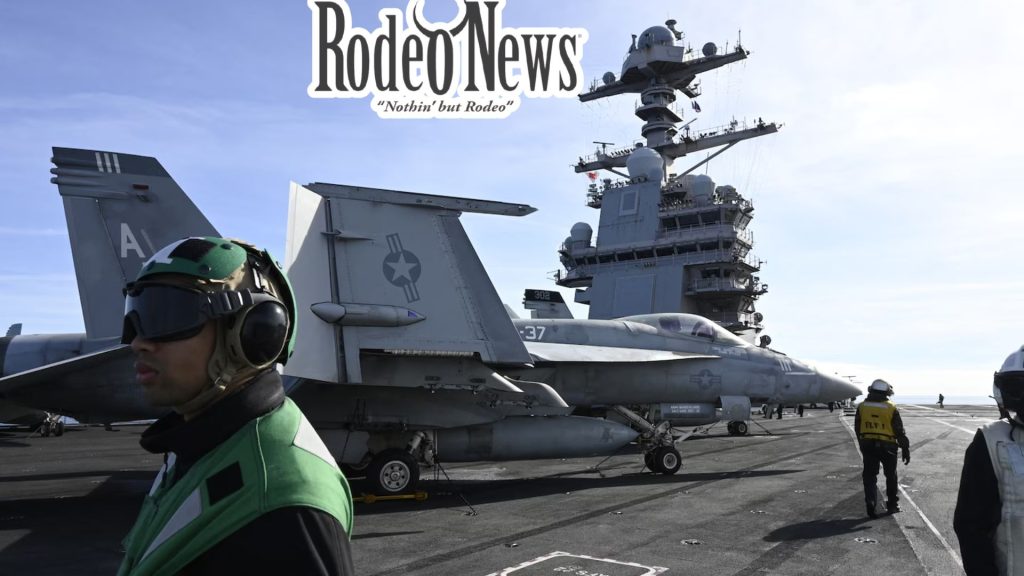
Earlier this week, the U.S. Navy confirmed that the Gerald R. Ford carrier strike group — accompanied by three destroyers — had entered waters under U.S. Southern Command’s maritime purview.According to Pentagon officials, the mission is framed as boosting capabilities to “disrupt narcotics trafficking and degrade … transnational criminal organisations.”
Venezuela’s Response: Massive Military Alert
In response, Venezuelan Defence Minister Vladimir Padrino López announced that Venezuela would place “the entire country’s military arsenal on full operational readiness.” This mobilisation includes ground, aerial, naval, riverine and missile forces, with the participation of all security forces and the national militia.
He added that President Nicolás Maduro has ordered a deployment of nearly 200,000 soldiers as part of the “special operation.”
Strategic Implications
Analysts say the presence of such a high-value asset as an aircraft carrier in this region is a strong signal. The Gerald R. Ford is the U.S. Navy’s largest and most modern carrier, typically deployed to major strategic theaters.
As one defence expert noted: “The only reason to move it there is to use it against Venezuela … the shot clock has started.”
The U.S. Drug-Interdiction Campaign
The current U.S. deployment forms part of an aggressive operation targeting maritime routes used by drug-trafficking networks in the Caribbean and eastern Pacific. The Trump administration has directed strikes on small vessels allegedly involved in trafficking, and is reportedly exploring expansion of operations to land-based targets.
However, some legal analysts argue the approach raises serious concerns, given the involvement of civilian-crewed vessels and questions over the war-powers of the executive.
Diplomatic Fallout and Regional Cooperation
The escalation is already impacting diplomatic and intelligence arrangements. For example, Colombian President Gustavo Petro announced suspending intelligence-sharing with the U.S. as long as maritime strikes continue—citing human-rights concerns.
In the U.S., Congress remains wary. Some lawmakers criticised the expansion of executive war-making without clear legal or congressional approval.
What Happens Next?
With the carrier strike group in place, the region is on edge. Should operations escalate further, Venezuela may respond more aggressively, increasing the risk of miscalculation or conflict. The U.S., meanwhile, must balance its drug-interdiction objectives with the risks of military escalation and regional diplomatic fallout.
Conclusion
The deployment of the Gerald R. Ford to Latin America, and Venezuela’s sweeping mobilisation in response, underline how intertwined drug-trafficking, regional security and great-power posturing have become in the Caribbean and beyond. As this episode unfolds, the coming days may determine whether this heralds deeper confrontation—or whether diplomacy and deterrence prevail