Cambodian Ministry of Culture Condemns Thai Military’s Shelling of Preah Vihear Temple
Preah Vihear, Cambodia – In a statement issued on December 8, 2025, the Cambodian Ministry of Culture and Fine Arts condemned the Thai military for opening fire on Cambodian territory, targeting the historic Preah Vihear Temple. The military assault, which began early in the morning, has sparked international outrage and raised concerns over the safety of cultural heritage sites and the violation of peace agreements in the region.
The Attack on Preah Vihear Temple
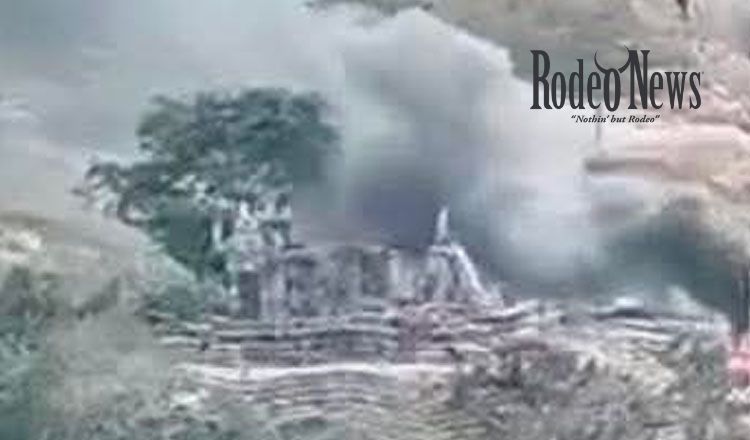
At approximately 5:00 AM on December 8, Thai military forces began shelling the An Ses area in Preah Vihear province, close to the Preah Vihear Temple, a UNESCO World Heritage site. The barrage continued for several hours, with the Thai forces firing heavy weapons at several locations along the border, including the Ta Moan Thom temple complex.
By 7:00 AM, the Thai military’s attack had caused significant damage to the Preah Vihear Temple Conservation and Restoration Project, a vital initiative under Cambodia-India cooperation. The conservation building, located in the Temple’s 5 complex, was destroyed, along with other critical infrastructure designed to preserve the site’s historical integrity.
A History of Border Tensions
The attack comes as part of a prolonged period of tension between Cambodia and Thailand. Since Preah Vihear Temple was inscribed on the UNESCO World Heritage List in 2008, both nations have experienced several border clashes. Between 2008 and 2011, the area saw a series of skirmishes, and once again in July 2025, tensions flared when the Thai military launched provocations in the region.
The Ministry of Culture has pointed out that the latest incident follows a series of provocations from the Thai military, particularly an earlier incident on December 7, 2025, at the rock face of the Preah Vihear Temple resort area in Sre Em commune. According to the Cambodian authorities, these provocations appear to be aimed at inciting further clashes and undermining the peace agreement reached between the two nations.
Violation of Peace Agreements
The Cambodian Ministry has strongly condemned the violations of the Joint Statement on the Peace Agreement, which was signed on October 26, 2025, in Kuala Lumpur, Malaysia. The agreement, witnessed by global leaders such as U.S. President Donald Trump and Malaysian Prime Minister Anwar Ibrahim, was intended to strengthen peace and stability between Cambodia and Thailand, particularly in the context of their shared cultural heritage sites.
In their statement, the Ministry urged the Thai military to cease all hostilities and respect the ceasefire terms, stressing that the attacks not only threaten the region’s peace but also jeopardize the preservation of a world-renowned cultural site.
International Condemnation and Call for Accountability
The Cambodian Ministry of Culture and Fine Arts has called on the international community to denounce Thailand’s actions, which are in clear violation of both the 1972 UNESCO Convention concerning the Protection of the World Cultural and Natural Heritage and the 1954 Hague Convention for the Protection of Cultural Property in the Event of Armed Conflict. Both conventions, to which Thailand is a signatory, mandate the protection of cultural heritage sites during periods of armed conflict.
The Ministry has demanded that Thailand be held accountable for the extensive damage caused to Preah Vihear Temple, warning that such actions set a dangerous precedent for the protection of cultural sites globally.
Cambodia’s Call for Global Solidarity
In a plea for global support, the Ministry highlighted the cultural and historical significance of Preah Vihear Temple. As one of Southeast Asia’s most iconic heritage sites, it draws visitors from around the world and represents an essential part of Cambodia’s identity and history.
“The international community must unite in condemning this aggression against Cambodia’s territorial integrity and its cultural heritage,” the Ministry stated. “Preah Vihear Temple is not only a symbol of Cambodian pride but also a treasure of humanity, deserving of the highest levels of protection.”
Conclusion
As the situation continues to evolve, all eyes remain on Cambodia and Thailand’s diplomatic response. With the international community closely monitoring the situation, the Cambodian Ministry of Culture’s condemnation underscores the urgent need for respect for both territorial integrity and cultural preservation. The call for immediate ceasefire and adherence to peace agreements is a critical step in ensuring that such a significant cultural heritage site remains protected from further destruction.