Measles Case Confirmed SF: Shocking First Case Since 2019 Raises Global Health Concerns
San Francisco health officials have confirmed a measles case confirmed SF, marking the city’s first reported infection since 2019. The case involves an unvaccinated infant, raising renewed concerns about global disease transmission, vaccination gaps, and the vulnerability of young children.
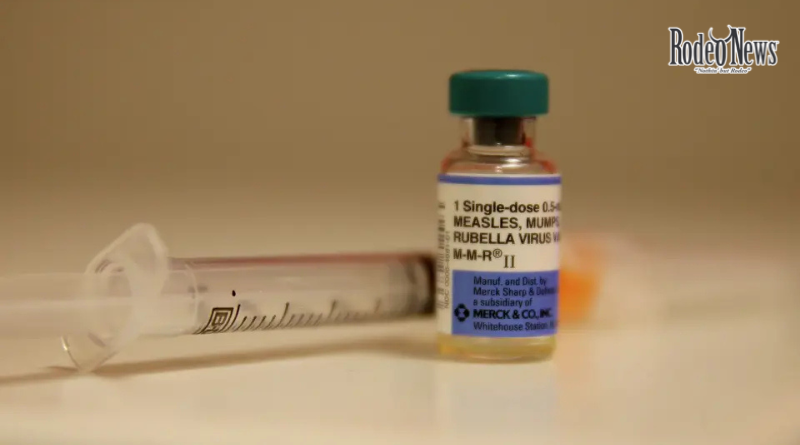
The announcement comes amid a broader resurgence of measles cases across the United States and internationally, prompting experts to warn that the disease—once considered eliminated in the U.S.—may be staging a troubling comeback.
First Measles Case in Years Identified in Infant
According to local health authorities, the confirmed case involves a child under 12 months old who had recently traveled internationally. The infant was exposed to measles abroad and became infectious after returning to San Francisco.
Because the child was below the recommended age for routine measles, mumps, and rubella (MMR) vaccination, they had not yet received immunization. Health officials confirmed that the infant is currently recovering at home.
This measles case confirmed SF highlights a critical gap in protection for infants who are too young to be vaccinated but still susceptible to exposure—especially during international travel.
Public Health Risk Remains Low—For Now
Despite the seriousness of the case, officials emphasize that the overall risk to the public remains low. San Francisco maintains a high vaccination rate—estimated at over 95%—which provides strong community immunity.
This level of immunization helps prevent widespread outbreaks, even when isolated cases occur. However, experts caution that this protection depends heavily on maintaining high vaccination coverage.
Contact tracing is currently underway to identify anyone who may have been exposed to the virus. So far, no additional cases have been confirmed.
Why Measles Is Still Dangerous in 2026
Measles is one of the most contagious viruses in the world. It spreads through airborne droplets when an infected person coughs, sneezes, or even breathes.
Symptoms typically begin with:
- Fever
- Cough
- Runny nose
- Red, watery eyes
These are followed by a distinctive rash that spreads across the body.
However, the real danger lies in complications. According to health experts, measles can lead to:
- Pneumonia
- Brain swelling (encephalitis)
- Long-term neurological damage
- Rare but fatal conditions such as subacute sclerosing panencephalitis (SSPE)
Young children, especially those under one year old, are at the highest risk of severe illness.
Global Travel Linked to Rising Cases
The measles case confirmed SF is not an isolated incident. It reflects a growing global trend where international travel contributes to the spread of infectious diseases.
Health officials noted that the infant contracted measles while traveling abroad—an increasingly common pattern in recent cases.
Across California and the U.S., many recent infections have been linked to travel-related exposure. This underscores how quickly diseases can cross borders in a highly connected world.
Measles Cases Rising Across California and the U.S.
The San Francisco case comes as measles cases surge statewide and nationally.
- California has already reported dozens of cases in 2026
- Most infections are among unvaccinated individuals
- A significant percentage involves children and young adults
In fact, health data shows that approximately 95% of recent measles cases involve people who are either unvaccinated or have unknown vaccination status.
This trend highlights a clear pattern: low vaccination rates are driving outbreaks.
The Role of Vaccine Hesitancy
Experts point to vaccine hesitancy and pandemic-related disruptions as key factors behind the resurgence.
During the COVID-19 pandemic, many routine immunizations were delayed or skipped. As a result, immunity gaps have widened—especially among children.
Additionally, misinformation about vaccines continues to influence public perception, leading some families to delay or avoid vaccination altogether.
Medical professionals warn that these trends could reverse decades of progress in controlling measles.
Why Infants Are Especially Vulnerable
One of the most concerning aspects of the measles case confirmed SF is that it involves an infant too young for routine vaccination.
The MMR vaccine is typically administered in two doses:
- First dose: 12–15 months
- Second dose: 4–6 years
Infants under 12 months rely on indirect protection—also known as herd immunity.
When vaccination rates drop, that protection weakens, leaving the youngest and most vulnerable exposed.
In some cases, infants traveling internationally may receive an early dose of the vaccine, but this is not always standard practice.
Experts Warn of Potential Future Outbreaks
While San Francisco’s high vaccination rate currently limits the risk of widespread transmission, experts warn that the situation could change.
Dr. Peter Chin-Hong, an infectious disease specialist, emphasized the importance of maintaining strong immunization coverage, particularly as measles cases rise globally.
Regions with lower vaccination rates are already experiencing outbreaks, and similar scenarios could occur elsewhere if immunization levels decline.
Lessons From Past Outbreaks
The United States declared measles eliminated in 2000, thanks to widespread vaccination efforts. However, recent years have seen a gradual increase in cases.
Notably:
- A major outbreak in 2019 affected multiple states
- Earlier outbreaks were linked to international travel and unvaccinated populations
- Recent data suggests the U.S. could risk losing its elimination status if trends continue
The measles case confirmed SF serves as a reminder that elimination does not mean eradication—and vigilance is still required.
What Residents Should Do Now
Health officials recommend the following steps to reduce risk:
1. Check Vaccination Status
Ensure that you and your children are up to date with the MMR vaccine.
2. Be Aware of Symptoms
Early detection can help prevent further spread.
3. Take Precautions When Traveling
Consult healthcare providers before international travel, especially with infants.
4. Trust Reliable Health Information
Follow guidance from public health authorities and medical professionals.
A Wake-Up Call for Public Health
The measles case confirmed SF is more than just an isolated incident—it is a warning sign.
It highlights:
- The ongoing risk of global disease transmission
- The importance of vaccination
- The vulnerability of unprotected populations
While San Francisco remains well-protected due to high vaccination rates, the broader trend is concerning.
Conclusion: Prevention Still the Best Defense
Measles is preventable—but only if vaccination rates remain high.
This latest case in San Francisco underscores the delicate balance between public health success and potential resurgence. With global travel increasing and vaccination gaps widening, experts stress that continued vigilance is essential.
For now, the situation is under control. But as history has shown, it only takes a small lapse in immunity for measles to return.