What Texas A&M’s Historic Comeback Reveals About Game Control Among Top-10 Teams
Article
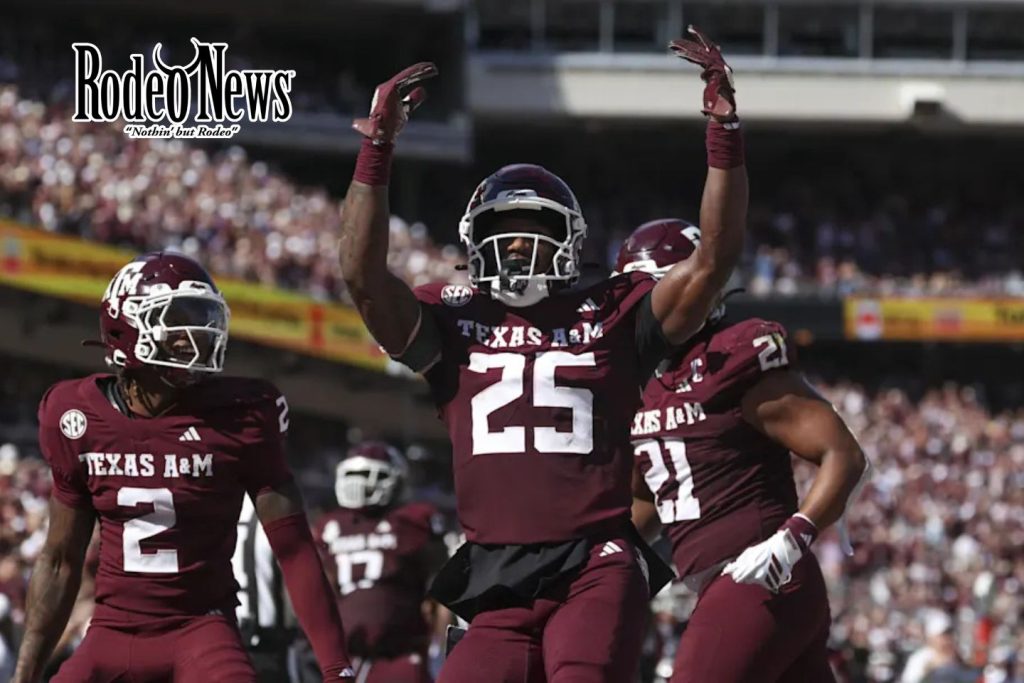
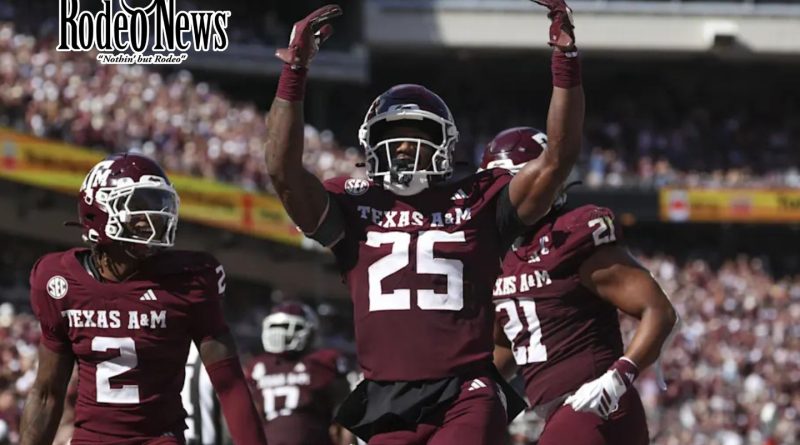
In a thrilling Forde-Yard Dash column, Pat Forde argues that Texas A&M’s 27-point comeback over South Carolina isn’t just a feel-good story—it offers a window into how top-10 teams handle (or fail to handle) control of their games.
Not a Lucky Comeback
According to Forde, A&M’s rally was far from a fluke. There were no lucky turnovers, no special teams heroics, and no egregious penalties from South Carolina. What the Aggies accomplished was calculated, disciplined, and relentless.
Their comeback consisted of four scoring drives of 70+ yards, supported by three critical defensive stops. In under 20 minutes of game time, they erased the rebuff and flipped the momentum entirely.
Leadership & Resilience
Quarterback Marcel Reed rebounded masterfully after a rough first half. On the first possession after halftime, he scrambled for a fourth-and-12 conversion—a gutsy call by coach Mike Elko that paid off in big ways.
Meanwhile, receivers who dropped passes early made crucial catches later. On defense, the Aggies tightened up and refused to panic. Forde emphasizes that despite the chaos, nobody cracked: “Nobody panicked.”
What It Says About Top Teams
Forde uses Texas A&M’s comeback as a lens to evaluate how other elite teams maintain control—or don’t. He notes that teams like Ohio State and Indiana have rarely (if ever) trailed in the second half this season, highlighting that some top teams rely on dominance, not tight-game grit.
By contrast, A&M clearly showed it can claw its way back, even when things go badly. That ability to regain control under pressure separates teams with real championship mettle from those that just coast.