Blame Andrew Cuomo, Not Curtis Sliwa, for Mamdani’s Rise
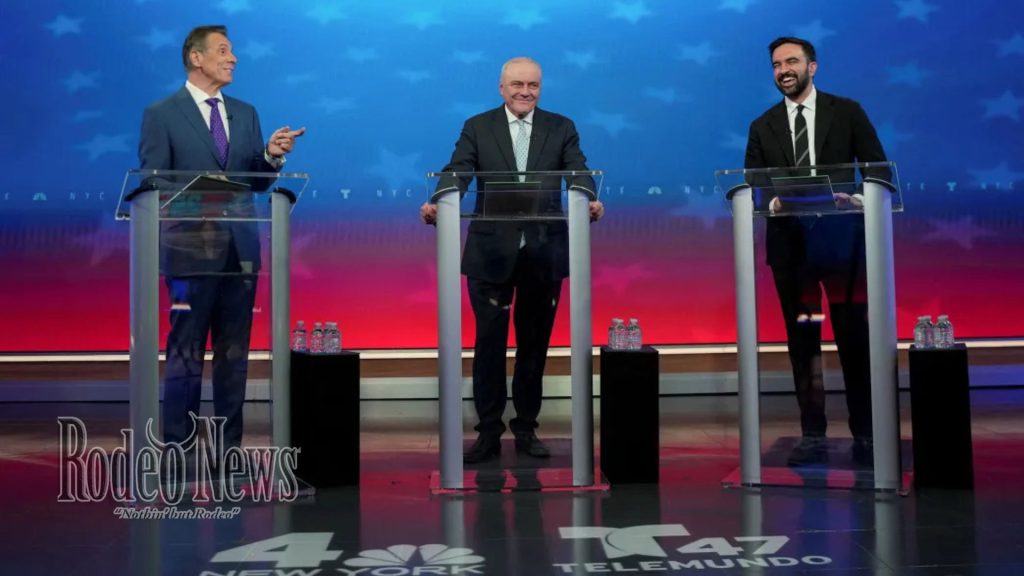
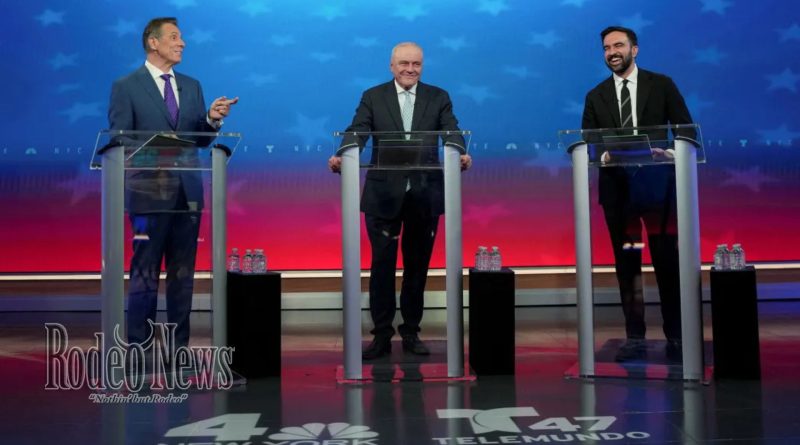
In the three-way mayoral contest for New York City, former governor Andrew Cuomo often points his finger at Republican nominee Curtis Sliwa, arguing that Sliwa’s presence splits the anti-progressive vote and thus helps Democratic Socialist nominee Zohran Mamdani. But if you look closely, it’s Cuomo’s own failures—not Sliwa—that primarily paved the way for Mamdani’s lead.
Cuomo’s Self-Inflicted Wounds
Cuomo is attempting to return to politics as an independent against Mamdani, despite a controversial exit from the governorship. His campaign has been marked by defensive messaging and an inability to articulate a compelling new vision. The fact that he is even facing this uphill battle—while acting as if Sliwa is the root problem—signals deeper miscalculations on his part.
Why Sliwa Isn’t the Spoiler
Yes, Sliwa complicates the race by drawing votes—but framing him as the main obstacle to Cuomo’s success misses the bigger point. Cuomo lost the Democratic primary to Mamdani, proving that his appeal among core voters had crumbled. Blaming Sliwa diverts attention from the fact that many voters rejected Cuomo before Sliwa became a factor.
Mamdani’s Advantage
Mamdani entered as the insurgent: younger, more dynamic, representing change. His lead is a function of Cuomo’s weakness and the Republican’s candidacy—not simply vote-splitting. When a major party nominee loses his own base and fails to excite new voters, that opens the door for alternatives. That’s exactly what has occurred here.
What This Means
If Cuomo wants to salvage his campaign, he must accept responsibility for his past and present—rather than casting Sliwa as the problem. The real obstacle isn’t the challenger at the fringe; it’s the candidate who once occupied the center. If Mamdani wins, history will remember Cuomo’s missteps—not Sliwa’s interference.