Vietnam War at 50: U.S. Legacy and Reconciliation Under Strain
As Vietnam commemorates the 50th anniversary of the end of the Vietnam War on April 30, 2025, the legacy of U.S. involvement remains a complex and sensitive issue. While the two nations have made significant strides toward reconciliation over the past three decades, recent policy shifts under President Donald Trump’s second administration threaten to reverse much of the progress achieved.
A History of Healing
Since the normalization of diplomatic relations in 1995, the United States and Vietnam have worked together on various initiatives aimed at addressing the war’s lingering effects. These efforts have included programs focused on cleaning up dioxin-contaminated sites, clearing unexploded ordnance (UXO), and identifying and repatriating missing Vietnamese soldiers. In 2023, the two countries elevated their relationship to a Comprehensive Strategic Partnership, reflecting a deepening of ties and mutual respect.
Policy Shifts Under Trump
However, the Trump administration’s recent actions have cast a shadow over these achievements. In early 2025, the U.S. government froze or terminated the majority of its foreign aid contracts through the U.S. Agency for International Development (USAID) in Vietnam. These programs had been instrumental in funding reconciliation projects, including the cleanup of Agent Orange and UXO clearance. Additionally, the State Department suspended global mine-clearing programs, affecting operations in Vietnam.
While some programs have been reinstated following bipartisan pressure from lawmakers, the uncertainty surrounding U.S. commitment to these initiatives has raised concerns among Vietnamese officials and veterans. The abrupt policy changes have also led to job losses and halted projects, such as the Bien Hoa dioxin cleanup, leaving many to question the reliability of the United States as a partner in reconciliation efforts.
Symbolic Strains
Beyond policy decisions, symbolic gestures have further strained relations. The Trump administration discouraged U.S. officials from attending Vietnam’s April 30 Victory Day events, a move that many interpreted as a lack of respect for the significance of the day in Vietnam’s history. Such actions have been seen as undermining the spirit of reconciliation and mutual respect that has characterized U.S.-Vietnam relations in recent years.
The Path Forward
Despite these challenges, both nations recognize the importance of continuing their partnership. Experts emphasize the need for consistent and respectful engagement to address the enduring legacies of the war. As Vietnam looks to the future, it remains committed to healing and strengthening ties with the United States, even as it navigates the complexities of its past.
Featured Image Suggestion:
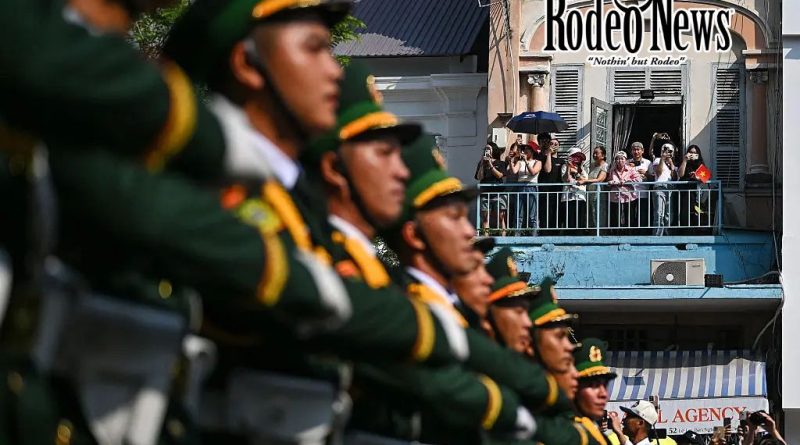
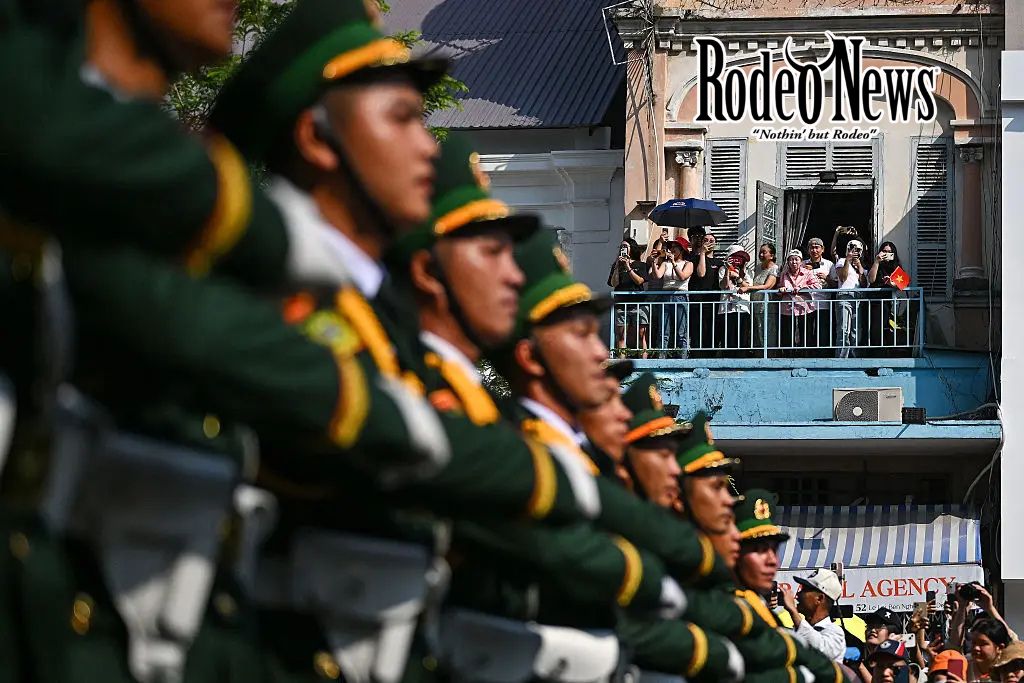
A poignant image from the April 30, 2025, parade in Ho Chi Minh City, capturing the solemnity and significance of the 50th anniversary of the Vietnam War’s end.
Internal Linking Suggestions:
- Vietnam War Legacy: Ongoing Challenges and Initiatives
- The Role of U.S. Foreign Aid in Postwar Reconciliation
- Vietnam’s Journey from Conflict to Partnership with the U.S.
External Linking Suggestions: