‘Shameful’: Tech Leaders Denounce ICE Killing of Minneapolis Nurse
Minneapolis — After weeks of escalating federal immigration raids across south Minneapolis, City Council member Aisha Chughtai says her message to Washington is simple and urgent: Immigration and Customs Enforcement must leave Minnesota.
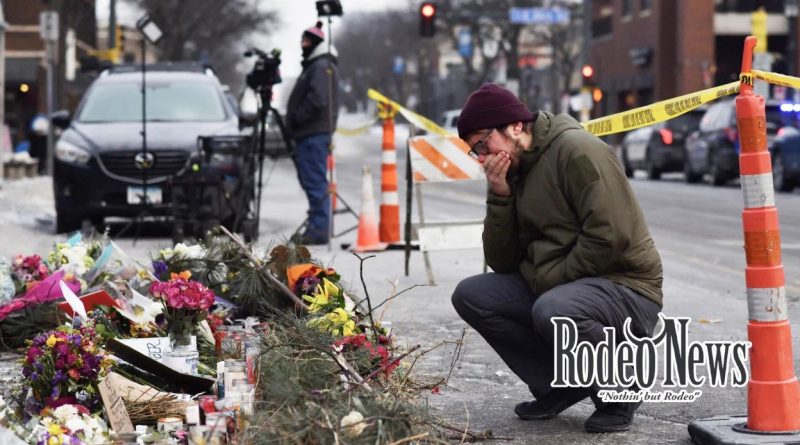
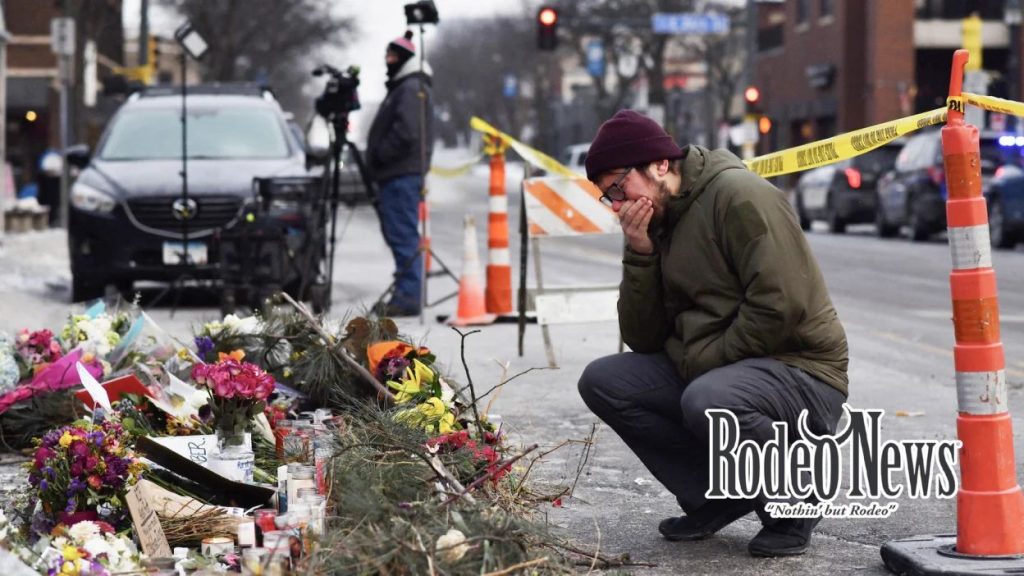
Chughtai represents the district where Alex Pretti, a 37-year-old ICU nurse, was shot and killed by federal agents on Saturday. His death marked the second fatal shooting of a Minneapolis resident by a federal agent this year, both occurring on the city’s south side — an area home to Minnesota’s largest immigrant community.
“There have been three homicides in Minneapolis this year,” Chughtai said in an interview. “And two of them have been perpetrated by ICE. The number one deadly killer of Minneapolitans right now is ICE.”
A Neighborhood Under Siege
On Saturday morning, Chughtai said she woke to frantic calls from neighbors reporting that someone had been shot nearby. She lives just four blocks from the scene and rushed outside, arriving as an ambulance transported Pretti away.
What she witnessed next, she said, was a heavy federal response that quickly transformed a residential neighborhood into what felt like a militarized zone. Dozens of federal agents poured into the area, deploying chemical agents as residents gathered in shock.
“This is one of the densest parts of the city,” Chughtai said. “Apartment buildings, small businesses — everything was filled with tear gas.”
She described seeing agents violently tackle and arrest a passerby walking down the sidewalk. When she attempted to move away from a cloud of chemical spray, two armed agents blocked her path, guns drawn, ordering her to stop.
For residents, the shooting and its aftermath were not isolated events, but the culmination of more than a month of daily federal enforcement operations that have left the neighborhood in constant fear.
“Fear, Grief, and Anger Everywhere”
According to Chughtai, federal agents have been roaming south Minneapolis nearly every day, attempting to detain immigrants and confronting residents who try to intervene or document arrests.
“There’s so much fear and grief and despair in our community,” she said. “People are afraid of being in their homes. They’re afraid of leaving their homes. They don’t know if it will be the last time they see their loved ones.”
She said children have witnessed violent arrests, family separations and, now, fatal shootings — trauma that will linger long after the federal presence ends.
Despite the fear, Chughtai said residents continue to organize, showing up for one another through neighborhood rapid-response networks designed to monitor federal activity and support targeted families.
“Our spirit can’t be broken here,” she said. “We’re going to continue to show up for our neighbors.”
Calls for Accountability and Emergency Action
As a city council member, Chughtai said she is pressing local and state leaders to pursue accountability for the deaths of Pretti and Renée Good, another Minneapolis resident killed earlier this year during a federal operation.
She and other council members are urging Minnesota Governor Tim Walz to declare a state of emergency, a move they say could unlock additional protections for vulnerable residents.
Among the council’s demands is an eviction moratorium, aimed at preventing displacement during a period of intense instability. Roughly 80% of residents in Chughtai’s district are renters, and renters make up a majority of Minneapolis overall.
“We need to do every single thing we can to keep people safe in their homes and unified with their families,” she said.
What Residents Can Do
Chughtai encouraged Minneapolis residents to continue participating in local rapid-response efforts, including whistle alerts and legal-observer trainings designed to document enforcement activity and deter abuse.
For people outside Minnesota, she said support can take several forms: amplifying firsthand accounts from residents, challenging official federal narratives, and donating to community organizations providing legal aid, housing assistance and emergency support.
“The only thing that’s within our control right now is that we continue to show up,” she said. “To resist, to be in our streets, to be in our neighborhoods, and to keep calling for ICE to leave our city and our state.”
Long-Term Trauma, Uncertain Exit
There has been no indication from the Trump administration that federal immigration forces will withdraw from Minnesota. Chughtai warned that even if agents were to leave immediately, the damage inflicted over the past two months would take years to repair.
Residents — including children — have witnessed violence, deaths and family separations, she said. Recovery, however, cannot begin while the enforcement operations continue.
“I don’t think we can even begin to rebuild or recover from this grief and trauma until these people leave our state,” she said.
For now, Chughtai says pressure must continue — from residents, city leaders and the state — until federal agents are gone.
“We have to keep pushing,” she said. “Until we get our city back. Until we get our state back.”