US Raises Tariffs on South Korean Imports to 25% as Trade Tensions Resurface
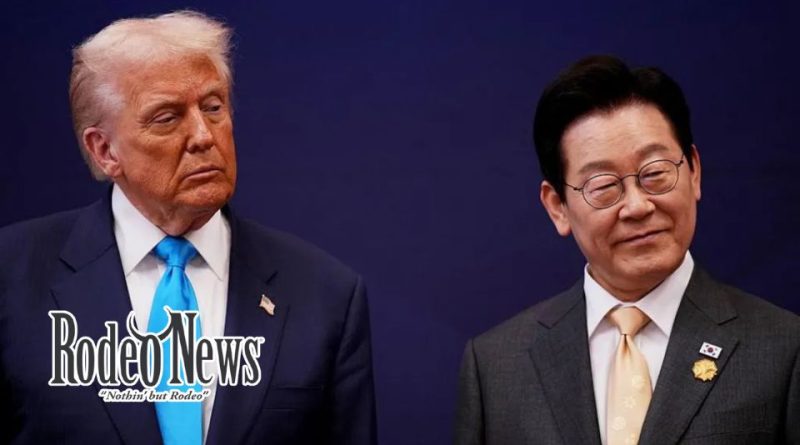
US President Donald Trump has announced a sharp increase in tariffs on imports from South Korea, escalating trade tensions between two long-standing allies and raising fresh concerns across global markets.
In a social media post on Monday, Trump said the United States would raise tariffs on a broad range of South Korean goods to 25%, up from 15%, accusing Seoul of failing to follow through on commitments made under a trade agreement reached last year. The higher levies will apply to products including automobiles, lumber, pharmaceuticals and what Trump described as “all other reciprocal tariffs.”
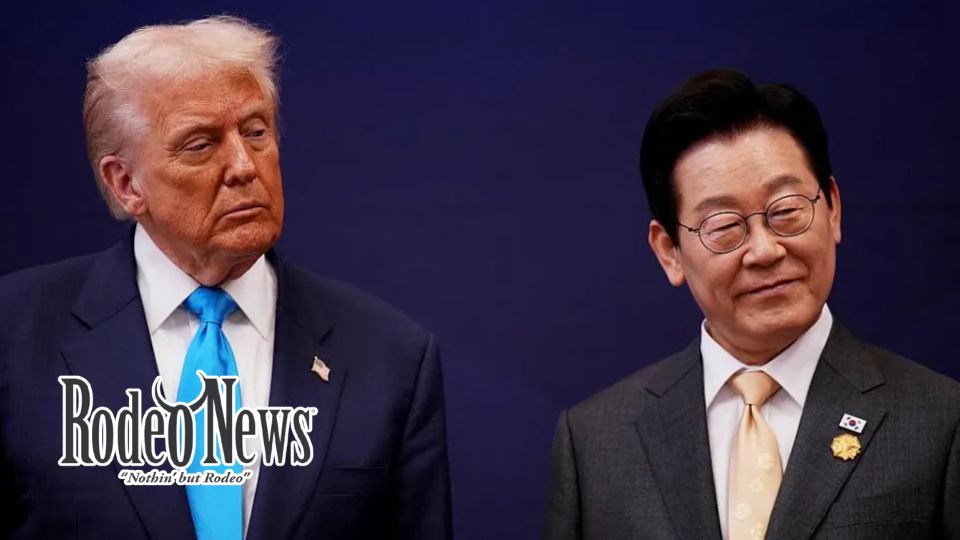
“South Korea has not lived up to the transaction agreed to,” Trump wrote, adding that while Washington had moved quickly to reduce its own trade barriers, South Korean lawmakers had been slow to approve the deal.
The move caught South Korean officials off guard. Seoul’s trade ministry said it had not received formal notice from Washington regarding the tariff hike and called for urgent discussions to clarify the US decision.
South Korea’s Industry Minister Kim Jung-kwan, who is currently attending meetings in Canada, is expected to travel to Washington as soon as possible to meet US Commerce Secretary Howard Lutnick, according to a ministry statement.
Market Reaction in South Korea
The announcement rattled South Korean financial markets on Tuesday, particularly shares of companies heavily exposed to US exports. Hyundai Motor, one of the country’s largest carmakers, saw its shares fall around 2.5% in early trading. Stocks linked to pharmaceuticals and timber also posted losses as investors assessed the impact of higher US import taxes.
Economists warned that the tariff increase could disrupt supply chains at a time when global trade remains fragile, even though the immediate financial impact may be limited if negotiations resume quickly.
Background to the Dispute
The tariff hike follows a trade deal reached between Seoul and Washington in October, under which South Korea pledged to invest $350bn (£256bn) in the US economy. Part of that investment was earmarked for strategic sectors such as shipbuilding.
In November, the two countries agreed that the US would begin reducing tariffs on certain products once South Korea formally initiated the domestic approval process. The agreement was submitted to South Korea’s National Assembly on 26 November and is currently under review. Local media reports suggest the deal is likely to pass in February.
Trump, however, signaled frustration at the pace of the process, arguing that delays in Seoul justified a tougher US stance.
Tariffs are paid by importing companies, meaning US firms purchasing South Korean goods will now face a 25% tax. Analysts note that while American importers bear the direct cost, higher tariffs often translate into increased prices for consumers.
Tariffs as a Foreign Policy Tool
The latest move underscores Trump’s continued use of tariffs as leverage in foreign policy during his second term in office. Over recent months, the president has repeatedly threatened trade penalties against allies and rivals alike to influence diplomatic and economic outcomes.
On Saturday, Trump warned that Canada could face tariffs as high as 100% if it pursued a trade agreement with China. Chinese officials later said that Beijing’s strategic partnership with Ottawa was not intended to undermine other countries.
Canadian Prime Minister Mark Carney has since denied that his government is seeking a free trade deal with China, saying such an agreement had “never” been under consideration. He added that Canadian officials had communicated their position clearly to their US counterparts.
Earlier this month, Trump also threatened to impose import taxes on eight countries, including the UK, after they opposed US proposals involving Greenland, an autonomous territory within the Kingdom of Denmark and a Nato member. While Trump later backed away from those threats, citing progress toward a “future deal,” the episode strained relations with Denmark and other Nato allies.
What Comes Next
With South Korean officials seeking urgent talks in Washington, markets will be watching closely to see whether negotiations can prevent a prolonged trade dispute. Analysts say a resolution remains possible if the National Assembly moves swiftly to approve the deal, but warn that Trump’s willingness to act unilaterally has added uncertainty to US trade relations.
For now, the tariff increase marks another reminder that even close US allies are not immune from Washington’s increasingly assertive trade policy.