U.S. Military Strikes Another Alleged Drug-Trafficking Vessel, Death Toll Reaches 70
The U.S. military has carried out yet another strike against what it says was a drug-trafficking vessel in international waters in the Caribbean, killing three people, according to defence secretary Pete Hegseth. With the latest operation, the death toll from the administration’s controversial Latin American campaign now stands at at least 70.
The attack is part of a series of strikes launched in early September, which have so far destroyed at least 18 vessels—17 boats and a semi-submersible—targeted by the U.S. in the Caribbean and eastern Pacific.
A campaign defined
The campaign, initiated by President Donald Trump’s administration, is framed as a war against “narco-terrorists” who threaten the U.S. homeland. The U.S. has described drug cartels as terrorist organisations, thereby broadening the legal justification for kinetic action.
As part of this effort, Washington has deployed six Navy ships to the Caribbean, sent F-35 stealth aircraft to Puerto Rico, and ordered the USS Gerald R. Ford carrier strike group into the region.
Legal and ethical concerns
Despite the force’s scale, the U.S. government has not made public concrete evidence that the struck vessels were definitively smuggling narcotics or posed a direct threat to U.S. security.
Moreover, critics — including governments of Latin American nations and families of those killed — contend that many of the victims have been civilians, particularly fishermen, rather than hardened traffickers.
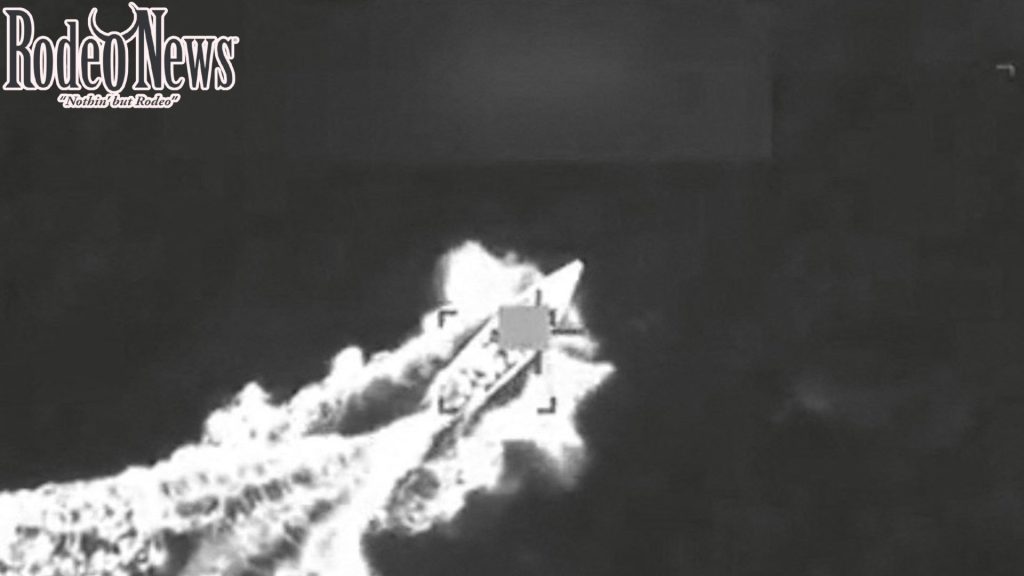
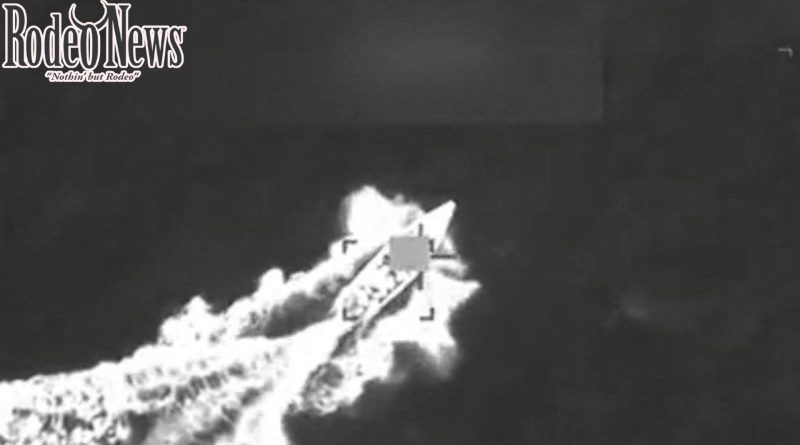
In one of the latest instances, the U.S. released video footage on X (formerly Twitter) which shows the strike; a portion of the boat is deliberately blurred. Hegseth said the vessel was “operated by a Designated Terrorist Organization” and reiterated the administration’s warning: “If you keep trafficking deadly drugs — we will kill you.”
Regional tensions escalate
The military posture near neighbouring countries has also raised eyebrows. For example, the U.S. has conducted fly-overs and shows of force near Venezuela, whose president, Nicolás Maduro, has repeatedly accused the U.S. of aiming to topple his government.
Meanwhile, the U.S. Senate blocked a Democratic resolution that would have forced the Trump administration to seek congressional approval for strikes in Venezuela, thereby allowing the executive branch to continue operations unchecked.
What lies ahead?
With the death toll continuing to rise and the legal underpinning still contested, the campaign poses several key questions:
Will the U.S. provide transparent evidence linking each targeted vessel to narcotics or terrorist operations?
How will the U.S. address claims of civilian casualties and maritime rights violations?
How will neighbouring states respond to increased U.S. military presence in their waters and airspace?
Could congressional action eventually rein in the executive’s authority in this region, or will the campaign escalate further?
As the Latin America maritime campaign broadens, its implications for international law, regional sovereignty and the war on drugs are deepening. The human cost—now at least 70 lives—raises urgent calls for accountability, clarity and a reassessment of strategic objectives