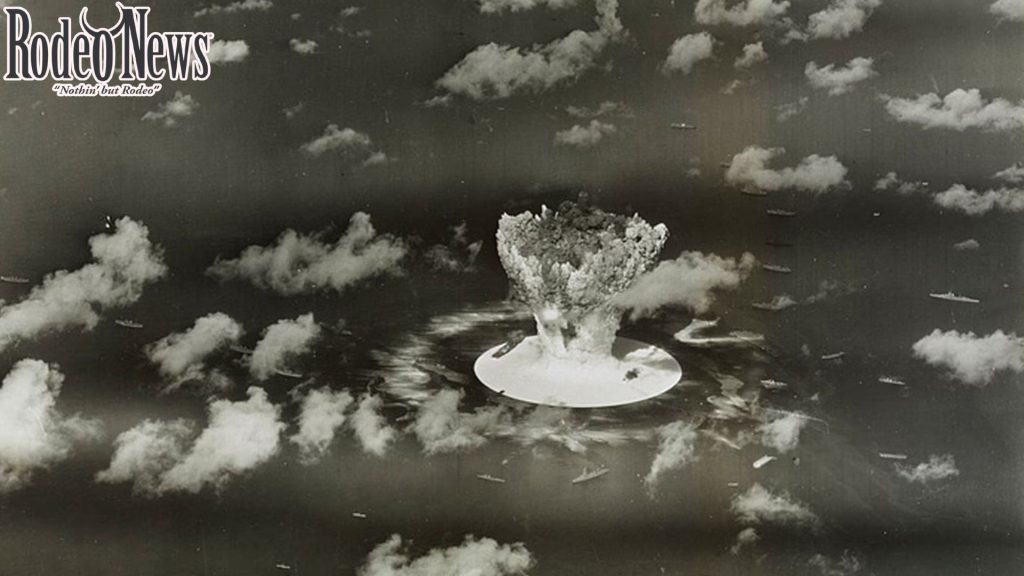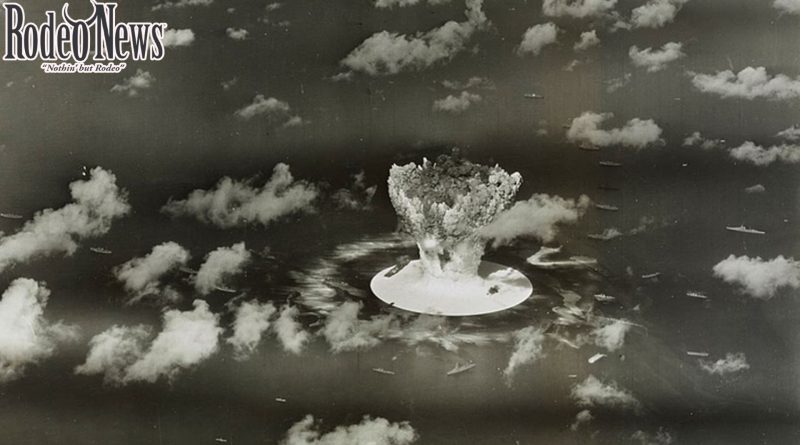
A History of Nuclear Testing
The U.S. detonated more than 1,000 nuclear devices between 1945 and 1992—mostly underground after 1963.
Russia (as the Soviet Union) carried out its last official nuclear test in 1990, though U.S. officials suspect secret low‑yield tests.
China’s last confirmed nuclear detonation was in 1996; nonetheless, analysts say China is accelerating its arsenal growth and modernization.
All three nations signed the Comprehensive Nuclear‑Test‑Ban Treaty (CTBT) in the mid‑1990s, which bans “any nuclear weapon test explosion or any other nuclear explosion.” The treaty never entered into force because major states haven’t ratified it.
What’s New and Why It Matters
Trump’s statement signals a radical departure from the U.S. moratorium on nuclear testing, which has lasted more than three decades. The decision raises urgent questions:
Does the U.S. plan to detonate a live nuclear device, or will it resume sub‑critical/contained tests? The timeline and specifics remain unclear.
What prompted this decision? Trump referenced Russia and China as benchmarks, yet the publicly acknowledged data shows both have refrained from full‑scale nuclear detonations since the 1990s.
How will the international community respond? A move of this magnitude could destabilize global norms, trigger new arms races, and complicate non‑proliferation efforts.
Regional and Global Implications
For Russia: The announcement comes as Vladimir Putin highlighted Russia’s testing of advanced nuclear‑powered and nuclear‑capable weapons—though not a full nuclear explosion.
For China: Beijing maintains it has respected the moratorium, even as its arsenal grows rapidly.
For U.S. allies and rivals: The signal may raise alarm in Europe and Asia about renewed nuclear brinkmanship—and could provoke counter‑responses from adversaries.
For arms control: The move threatens to undermine longstanding treaties and agreements aimed at curbing nuclear testing and proliferation.
Bottom Line
The U.S. directive to resume nuclear weapons testing marks a pivotal shift in strategic posture. Whether this becomes the start of live detonations or more limited experiments, the ramifications are grave. As this story develops, the global community will be watching how Russia and China respond—and how the norms of nuclear restraint hold up under pressure