The U.S. Labor Department is set to release its September jobs report on November 20, 2025, nearly seven weeks later than usual — a delay caused by the 43-day federal government shutdown. VPM+2wrkf.org+2
Why the Delay Matters
Because the shutdown disrupted data collection, this report offers a stale but important snapshot of the labor market. VPM+1 Meanwhile, the next full report (for October) won’t arrive until mid-December, leaving a data gap. wprl.org+1
What to Expect: Weak Hiring, Few Layoffs
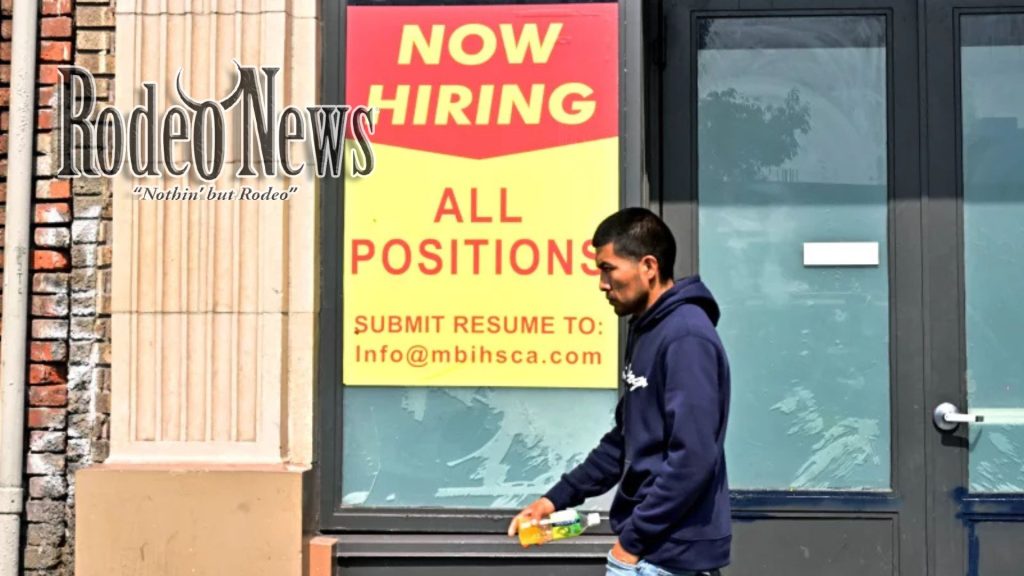
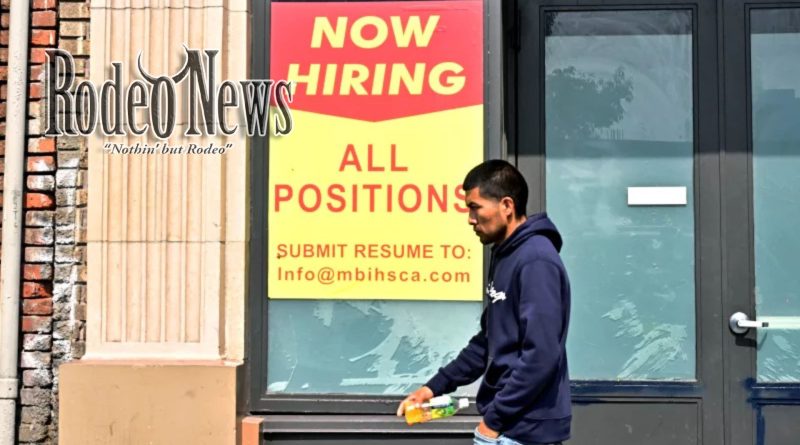
Hiring has been sluggish. Throughout the summer, employers were adding fewer than 30,000 jobs per month on average — a clear slowdown. VPM+1
Yet, despite the weak job creation, there hasn’t been a surge in layoffs. In fact, pink slips remain limited, suggesting a labor market stuck in a “no-hire, no-fire” mode. publicradiotulsa.org
Fed Concerns and Rate Cut Pressure
Federal Reserve Governor Chris Waller has warned that the job market may be nearing a stall. Based on his discussions with business leaders, he believes companies are starting to plan for layoffs. wrkf.org+1
Waller has called for another interest rate cut at the Fed’s next meeting to bolster demand. However, Fed minutes released recently reveal a divided stance: some policymakers favor holding rates steady, citing persistent inflation concerns. wrkf.org+2VPM+2
Underlying Labor-Force Dynamics
Two structural issues are weighing on the job market:
- Reduced labor supply: Immigration restrictions and retirements, especially among baby boomers, are shrinking the available workforce. wprl.org+1
- Weak demand for workers: According to Waller, falling demand is more concerning than supply, and the slowdown could translate into higher unemployment in the months ahead. ijpr.org
Unemployment Rate Outlook
The unemployment rate for August stood at 4.3%, and analysts expect the jobs report to show that rate holding steady, rather than improving significantly. weku.org
Why It’s Important
- This delayed report is the first major labor-market data point since the shutdown — and for many, it’s the last full jobs update before the Fed’s December meeting.
- Weak hiring would reinforce concerns that the U.S. labor market is cooling, potentially strengthening calls for rate cuts.
- But if unemployment begins to tick up, that could add pressure on the Fed to act more aggressively.
- Structural labor trends (declining immigration, retirements) suggest the slowdown may not just be temporary — and that has long-term implications for growth