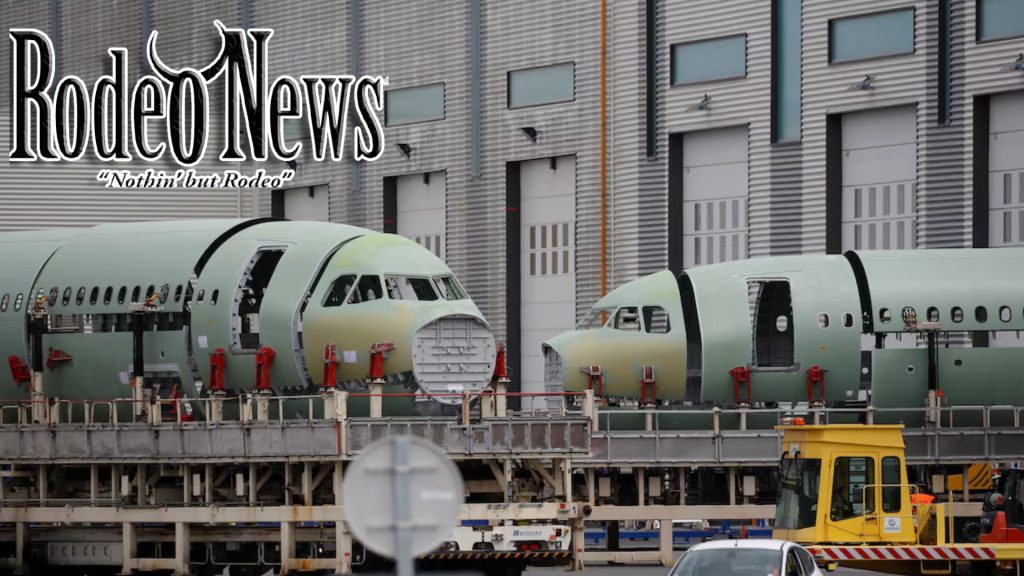
n a sweeping move, Airbus has ordered a mandatory fix for roughly 6,000 aircraft from its A320 family — over half of the global A320 fleet. Reuters+2The Economic Times+2 The recall — arguably among the largest in Airbus’s history — follows a disturbing incident on October 30, when a flight operated by JetBlue experienced a sudden pitch drop, reportedly caused by corrupted flight-control data. Reuters+1
What Went Wrong: Solar Radiation Hits Critical Software
At the root of the problem is the flight-control computer — known as the ELAC (Elevator and Aileron Computer) — which manages an aircraft’s pitch via commands to elevators. Reuters+1
According to Airbus, “intense solar radiation” can corrupt the software data on ELAC, causing potential loss of control over an aircraft’s elevators and threatening flight safety. The National+1 To mitigate this, Airbus has instructed airlines to revert to an earlier software version before the next flight. For some planes, however, hardware adjustments may also be required — meaning longer ground time. Reuters+1
Impact on Airlines and Travelers
For roughly two-thirds of affected jets, the required software rollback is expected to take about two hours. Reuters+1 However, airlines are already under pressure — with existing maintenance backlogs, the recall adds a major logistical burden. Reuters+1
Major carriers such as American Airlines, Lufthansa, IndiGo, and easyJet have confirmed their fleets will be affected. For instance, American Airlines reported that about 340 out of its 480 A320 aircraft need the update. Reuters+1
Regulators including the European Union Aviation Safety Agency (EASA) have issued an emergency directive mandating compliance before any further flights. Reuters+1
Because the recall comes just ahead of one of the busiest travel weekends in the United States, airlines and passengers alike face the real possibility of widespread delays and cancellations. Reuters+1
What’s Next — Safety and Industry Outlook
Airbus says the fix — whether software rollback or hardware change — must be completed before the next routine flight, ensuring no plane operates with the potentially flawed software. Reuters+1
For many airlines, that means intensive maintenance over the coming days. For others — where hardware modification is needed — downtime could stretch into weeks. Reuters+2The National+2
The episode highlights a growing vulnerability in modern aviation: as aircraft systems become more computerized and digitally integrated, even natural phenomena — like solar flares — can pose unexpected safety risks. This has pushed regulators and manufacturers to re-evaluate how aircraft systems are designed to handle rare but high-impact events.
More about Airbus A320 recall