Your Toothbrush Is Crawling with Bacteria — Here’s What You Should Know
October 20, 2025
You brush your teeth twice a day to keep your mouth clean. But what if your toothbrush is making things dirtier?
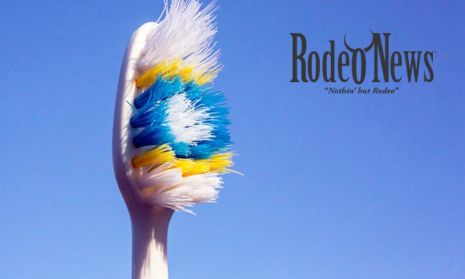
It turns out your toothbrush is home to a miniature microbial metropolis — and not all of its residents are friendly. Recent research has revealed that a single toothbrush can harbor millions of bacteria, fungi, and viruses, including some responsible for illnesses like colds, cold sores, and even gastrointestinal infections.
A Dirty Secret in Your Bathroom
“Toothbrushes are one of the dirtiest items in a typical household bathroom,” says Dr. Marc-Kevin Zinn, a microbiologist at Rhine-Waal University of Applied Sciences in Germany, who has extensively studied microbial contamination on personal care items.
Zinn explains that the bacteria found on toothbrushes usually come from three primary sources: the user’s mouth, their skin, and the surrounding environment — most often, the bathroom.
And the contamination can begin even before you use it. A Brazilian study that examined 40 new toothbrushes right off store shelves found half were already contaminated with bacteria.
Once in use, things get even messier. Each brushing session introduces saliva, food particles, and oral bacteria to the bristles. Combine that with the warm, humid environment of a bathroom — particularly one with a toilet — and you have the perfect conditions for microbial growth.
What’s Living on Your Toothbrush?
While many of the microbes are harmless — even helpful — others are less benign. Among the unwanted guests found on toothbrushes are:
- Streptococci and Staphylococci, which contribute to tooth decay and gum disease.
- Escherichia coli and Pseudomonas aeruginosa, typically associated with stomach illnesses and infections.
- Candida yeasts, which can cause oral thrush.
- Klebsiella pneumoniae, known to trigger hospital-acquired infections.
One particularly unpleasant factor? The toilet plume. Each time you flush, droplets containing bacteria and viruses can spray up to 1.5 meters (5 feet) into the air. If your toothbrush is nearby, it might be catching more than just splashes of water.
In communal or shared bathrooms, the risk of contamination increases. One university study found that 60% of toothbrushes in shared bathrooms had fecal bacteria, with some showing microbial transfer between users.
Should You Be Worried?
Despite the ick factor, most healthy individuals don’t need to panic. “The risk of actually getting sick from your own toothbrush is generally low,” says Dr. Erica Hartmann, an environmental microbiologist at Northwestern University. Her research found that gut-associated microbes — including fecal bacteria — don’t survive well outside the body.
However, she notes that people with compromised immune systems may need to be more cautious. Certain bacteria found on toothbrushes also carry antibiotic resistance genes, making potential infections harder to treat.
Viruses, on the other hand, are more resilient. The herpes simplex virus-1 (which causes cold sores) can survive for up to 48 hours on a toothbrush. Influenza and coronavirus strains can also remain viable for several hours.
Toothbrush Hygiene: What You Can Do
Fortunately, there are practical steps you can take to keep your toothbrush cleaner and safer:
✅ Let It Air Dry
Allowing your toothbrush to dry out in an upright position is one of the most effective ways to reduce microbial growth. Many viruses and bacteria die off as they dry. Avoid toothbrush covers or closed containers, as these can trap moisture and encourage growth.
✅ Keep It Away from the Toilet
Store your toothbrush at least 1.5 meters away from your toilet. And always close the lid before flushing to reduce the risk of contamination from the toilet plume.
✅ Don’t Share or Touch
Never share toothbrushes. If you store multiple brushes together, ensure their heads don’t touch to avoid cross-contamination — especially in shared spaces.
✅ Rinse After Use
Rinse your toothbrush thoroughly after each use to remove debris and dilute microbial build-up. Don’t just flick the water off — rinse under strong running water for 10–15 seconds.
✅ Disinfect Occasionally
Soaking your toothbrush head in a mouthwash with antimicrobial agents like 0.12% chlorhexidine or 0.05% cetylpyridinium chloride for 5–10 minutes can help reduce harmful microbes. Vinegar (1%) is another effective option, though it may leave an unpleasant taste.
Avoid microwaving or dishwashing your toothbrush — while effective at killing germs, both methods can damage the bristles and make the brush less effective.
How Often Should You Replace Your Toothbrush?
According to the American Dental Association, toothbrushes should be replaced every three months, or sooner if the bristles become frayed or discolored. Worn brushes not only clean less effectively but also harbor more bacteria.
Zinn’s research shows that microbial loads peak around 12 weeks of use. If you’ve been ill, especially with a virus like the flu or cold sores, it’s wise to replace your toothbrush afterward to prevent reinfection.
Could Toothpaste Be the Solution?
Toothpaste itself plays a subtle but important role. Many contain antimicrobial ingredients that help reduce bacterial build-up on the brush. However, some researchers are exploring probiotic toothpastes designed to encourage the growth of beneficial oral bacteria, potentially outcompeting harmful strains.
Final Word
Your toothbrush is an unsung hero of personal hygiene — but it’s also a hidden host for microbes. While the risk of infection is low for most people, proper care and hygiene practices can go a long way in keeping both your brush and your mouth healthier.
So, next time you’re in the bathroom, ask yourself: Is it time for a new toothbrush?