US Deploys Tomahawk Missiles to Ukraine: Strategic Implications and Future Outlook
The recent deployment of Tomahawk cruise missiles to Ukraine marks a major shift in the U.S. military’s support for Ukraine amid its ongoing conflict with Russia. This strategic move signals not only increased U.S. involvement but also has far-reaching consequences for global security, military strategy, and the dynamics of the war itself.
The Tomahawk Missile: A Game-Changer for Ukraine’s Defense?
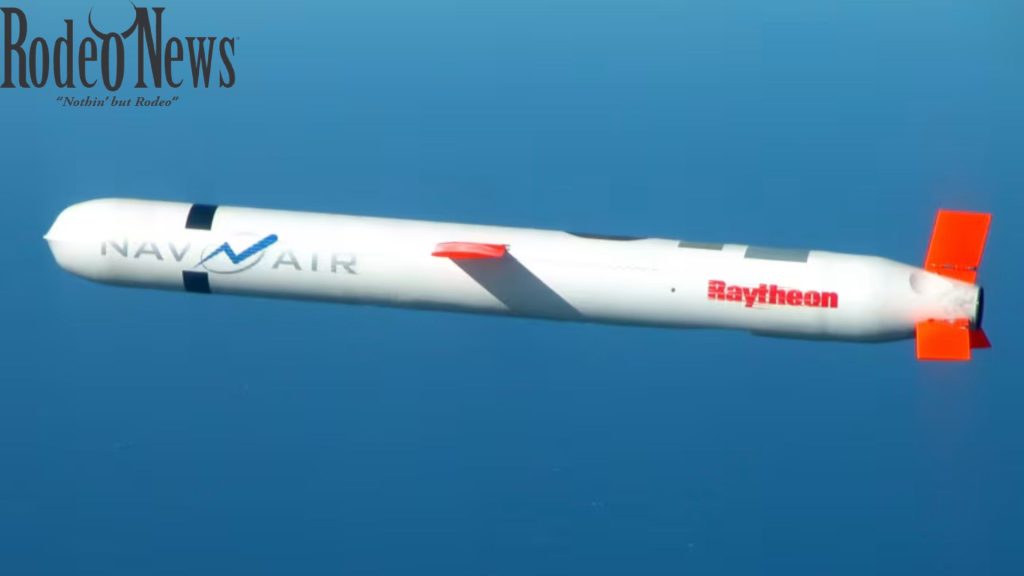
The Tomahawk missile, a long-range precision-guided weapon, has been one of the U.S. military’s most reliable tools for striking high-value targets with minimal collateral damage. Its deployment in Ukraine represents a critical step forward in Ukraine’s military capabilities, potentially changing the course of the conflict by giving them enhanced strike capability deep within Russian-held territories.
This missile can travel at subsonic speeds and is equipped with GPS guidance systems, allowing it to hit targets from hundreds of miles away. The decision to send these advanced weapons to Ukraine signals Washington’s commitment to bolstering Ukraine’s defense capabilities as it continues to face Russian aggression.
U.S. Military Strategy and NATO Support
This action also underscores the growing commitment from the U.S. and NATO to support Ukraine in its fight against Russia. While the West has already provided significant amounts of weaponry and intelligence, the addition of Tomahawk missiles takes the stakes to a new level, emphasizing the strategic importance of Ukraine in the broader context of European security.
Experts argue that this move could have major implications for future NATO operations. By increasing Ukraine’s ability to counter Russian air defenses and strike key military assets, the U.S. could be positioning Ukraine as a crucial partner in the region, preventing further Russian expansion.
Impact on Russia’s Strategy and Global Relations
Russia has already condemned any increase in NATO’s military support for Ukraine, and the deployment of Tomahawk missiles is expected to exacerbate tensions. Moscow could see this as an escalation, potentially leading to a hardening of its own tactics, including more aggressive missile strikes or cyber warfare operations targeting NATO allies.
Globally, the move raises concerns about further instability in the region. While NATO members have expressed solidarity with Ukraine, this development will likely test the alliance’s resolve as the conflict risks spilling over into broader confrontation. Additionally, countries outside the West, like China and India, will be closely monitoring the situation as it may shape their own foreign policy and military posturing in future conflicts.
The Road Ahead: What Comes Next for Ukraine and the U.S.?
As Ukraine receives increasingly sophisticated weaponry, the focus will now shift to how it integrates these new assets into its defensive strategies. The coming months could be critical, as Ukrainian forces look to capitalize on their enhanced strike capabilities while navigating the complexities of a protracted war.
For the U.S., the deployment of Tomahawk missiles is part of a broader strategy to prevent Russia from achieving its objectives in Ukraine and to send a clear message about the West’s commitment to countering Russian aggression. However, this move could also open up new avenues for diplomatic negotiations, especially if both sides see the conflict escalating into a wider regional war.
Conclusion: A Defining Moment in the Ukraine Conflict
The deployment of Tomahawk missiles to Ukraine is a defining moment in the ongoing conflict, marking a significant escalation in the involvement of the U.S. and NATO. The strategic implications are far-reaching, both for the immediate future of the war and for global security. As the situation develops, the world will be watching closely to see how Russia reacts and whether this new phase in the conflict will push for a diplomatic resolution or lead to further escalation.