Iran May Have ‘Stoked’ Hamas to Violate Cease‑fire — U.S. Envoys Warn Israel
The fragile cease‑fire between Gaza Strip’s militant group Hamas and Israel faces fresh strain amid reports that Iran may have played a direct role in prompting the breach.
According to Israeli media‑reports, U.S. envoys — including Jared Kushner and Steve Witkoff — have arrived in Israel to coordinate a response and urged Israeli officials to act with restraint.
Iranian Link and Strategic Disruption
A regional diplomatic source quoted by Israeli media says Iran “maintains continuous contact” with both Hamas leadership and field commanders, and sees an interest in sabotaging the cease‑fire.
The source claims a strong likelihood that Iran had involvement in the recent attack on an Israeli Defence Forces (IDF) unit — an event interpreted by Israel as a test of the cease‑fire’s resilience.
From Israel’s perspective, the breach appears to be more than isolated: it might reflect a broader Iranian strategy aimed at undermining the peace initiative.
Diplomatic Pressure and Israeli Response
In the days leading up to the incident, Kushner and Witkoff reportedly spoke with Israeli Minister Ron Dermer, a close associate of Prime Minister Benjamin Netanyahu, urging a measured Israeli reaction.
Netanyahu, meanwhile, had briefed U.S. officials on various response options, telling them he expected Hamas to test the deal’s limits without fully breaking it.
On the ground, Israeli authorities announced measures such as the suspension of humanitarian‑aid transfers into Gaza and the continued closure of the Rafah crossing.
What Happened & Why It Matters
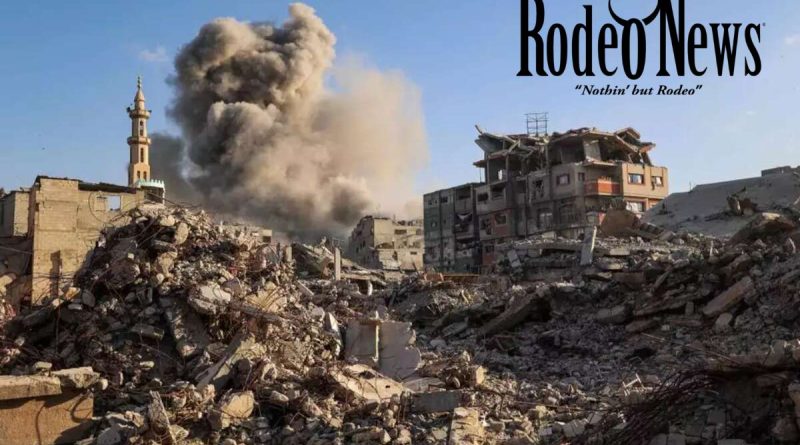
The incident in question involved an attack on an IDF unit in the Rafah area of Gaza, which Israeli forces characterized as a “blatant violation” of the cease‑fire. In response, the Israeli Air Force struck tunnels and other military infrastructure tied to Hamas.
If Iran indeed played a role, it signals an escalation in which a regional actor is seeking to influence the local cease‑fire dynamics. For Israel, this raises questions about how to respond without triggering full‑scale war, while sustaining the truce.
The U.S., which helped broker the cease‑fire and has troops and personnel in the region, finds itself in a delicate position: It must deter escalation while preserving the agreement.
Regional Implications and Risks
- Proxy dynamics: The suspected Iranian involvement underscores how external powers’ ambitions can complicate local cease‑fires.
- Credibility of the truce: If Hamas is perceived as acting under Iranian direction, the cease‑fire’s legitimacy suffers and may collapse.
- Humanitarian cost: With aid flows suspended and crossings closed, civilian harm in Gaza may rise, increasing political and humanitarian pressure.
- Wider war risk: A mis‑step or overreaction could plunge the region into renewed large‑scale conflict, something all parties nominally seek to avoid.
What Lies Ahead
The coming days are likely to focus on whether Israel chooses a tempered response—consistent with U.S. urging—or escalates its military operations. Diplomats will monitor if Iran continues to wield influence or steps back to preserve wider strategic goals.
Meanwhile, recovery of hostages and aid access remain crucial components of the peace process; any further incidents could derail progress.