Full Article (1200+ words)
Hormuz Deal Revealed: Iran Offers 5-Step Plan
Iran has unveiled a controversial Hormuz Deal, proposing to reopen the strategically vital Strait of Hormuz while postponing negotiations over its nuclear program. The move signals a calculated shift in Tehran’s diplomatic strategy, aiming to gather broader international support while easing immediate global economic pressures.
The proposal, delivered through intermediaries, comes amid ongoing tensions between Iran and the United States following months of military confrontation, sanctions, and maritime disruption. At its core, the Hormuz Deal attempts to separate two of the most contentious issues: maritime security and nuclear policy.
A Strategic Shift in Iran’s Approach
The Hormuz Deal reflects Iran’s effort to reshape negotiations on its own terms. Instead of engaging in comprehensive talks that include its nuclear ambitions, Tehran is prioritizing reopening one of the world’s most critical energy corridors.
According to reports, Iran submitted the proposal via diplomatic channels after earlier negotiations in Islamabad failed to produce a breakthrough.
This strategy appears designed to:
- Reduce global pressure over energy disruptions
- Gain goodwill from oil-dependent nations
- Force the United States into phased negotiations
By focusing first on the Strait of Hormuz, Iran is leveraging a key geopolitical asset without making immediate concessions on its nuclear program.
Why the Strait of Hormuz Matters
The Strait of Hormuz is one of the most important maritime chokepoints in the world. A significant portion of global oil and gas shipments pass through this narrow waterway.
Since the outbreak of conflict in early 2026, the strait has been repeatedly disrupted. Military strikes, naval blockades, and attacks on commercial vessels have severely impacted shipping routes.
Data indicates that hundreds of ships have attempted passage during the conflict, with dozens targeted or attacked.
As a result:
- Global oil prices have surged
- Supply chains have been strained
- Energy-importing nations face economic uncertainty
The Hormuz Deal, therefore, is not just a regional issue—it carries global consequences.
Key Elements of the Hormuz Deal
While full details remain under negotiation, several core elements of Iran’s proposal have emerged:
1. Reopening the Strait
Iran has indicated its willingness to allow safe passage for international shipping, effectively ending its restrictions on the waterway.
2. Suspension of Immediate Hostilities
The proposal includes a de-escalation framework aimed at reducing military tensions in and around the Gulf.
3. Delay of Nuclear Talks
Crucially, Iran seeks to postpone discussions about its nuclear program until after maritime and security issues are resolved.
4. Conditional Reciprocity
Tehran expects the United States to ease its naval blockade and certain sanctions in exchange for reopening the strait.
5. Broader International Involvement
Iran is actively engaging regional and global actors to build support for the deal, expanding beyond bilateral negotiations.
US Response: Cautious and Skeptical
The United States has reacted cautiously to the Hormuz Deal. While officials acknowledge that reopening the strait would stabilize global markets, Washington remains firm on its core demand: Iran must address its nuclear program.
Recent statements indicate that US leadership views the proposal as incomplete. The nuclear issue, according to American officials, cannot be separated from any long-term agreement.
This fundamental disagreement continues to stall progress.
Diplomatic Efforts Intensify
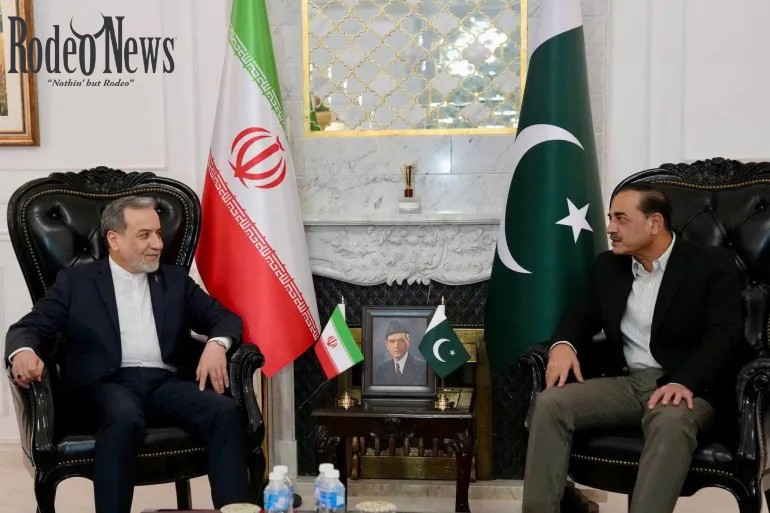
Iran’s foreign minister has embarked on a series of diplomatic visits, including stops in Pakistan, Oman, and Russia, seeking to rally support for the proposal.
Meanwhile, mediators such as Pakistan continue to play a crucial role in facilitating communication between Tehran and Washington. Previous talks in Islamabad brought both sides close to an agreement but ultimately failed due to disagreements over sequencing and conditions.
Russia has also signaled willingness to support negotiations, adding another layer of geopolitical complexity.
Economic Stakes: Oil, Trade, and Inflation
The Hormuz Deal is closely tied to global economic stability. Disruptions in the strait have already triggered:
- Rising fuel prices worldwide
- Increased shipping costs
- Inflationary pressure in major economies
Energy markets remain highly sensitive to developments in the region. Even partial reopening of the strait could significantly reduce volatility.
However, uncertainty persists. Analysts warn that without a comprehensive agreement, any reopening could be temporary or fragile.
A War-Driven Context
To fully understand the Hormuz Deal, it is essential to consider the broader conflict.
The current crisis began in early 2026 following US and Israeli strikes on Iranian targets, which prompted Tehran to close the Strait of Hormuz and retaliate militarily.
Since then:
- The US has imposed a naval blockade
- Iran has conducted missile and drone attacks
- Regional tensions have escalated
A temporary ceasefire has slowed hostilities, but a lasting resolution remains elusive.
The Core Dispute: Nuclear Program
At the heart of the standoff lies Iran’s nuclear program.
The United States insists that any agreement must include strict limitations on Iran’s uranium enrichment and nuclear capabilities. Iran, however, maintains that its program is a sovereign right and refuses to negotiate under pressure.
This disagreement has been a persistent obstacle in past negotiations and continues to shape current dynamics.
The Hormuz Deal effectively sidesteps this issue—at least temporarily—creating both an opportunity and a risk.
Global Reactions and Concerns
International reactions to the Hormuz Deal have been mixed.
Some countries welcome the proposal as a practical step toward stabilizing global energy markets. Others worry that separating maritime security from nuclear negotiations could weaken long-term nonproliferation efforts.
Gulf nations, in particular, have expressed concern about the strait being used as a political bargaining tool.
There is also fear that a “frozen conflict” scenario could emerge, where tensions persist without a definitive resolution.
What Happens Next?
The future of the Hormuz Deal remains uncertain.
Key questions include:
- Will the United States accept a phased approach?
- Can Iran maintain international support without addressing nuclear concerns?
- Will renewed negotiations lead to a broader agreement?
For now, both sides appear locked in a strategic standoff, each attempting to shape the terms of engagement.
Analysis: A Tactical Gamble
The Hormuz Deal represents a high-stakes gamble by Iran.
By prioritizing the reopening of the strait, Tehran is betting that global economic pressure will push the United States toward compromise. At the same time, it avoids immediate concessions on its nuclear program.
However, this strategy carries risks:
- It may deepen mistrust with Western powers
- It could delay a comprehensive peace agreement
- It leaves core issues unresolved
From Washington’s perspective, accepting the deal without addressing nuclear concerns could set a dangerous precedent.
Conclusion
The Hormuz Deal marks a pivotal moment in the ongoing Iran-US conflict. It highlights the complex interplay between military strategy, economic pressure, and diplomatic maneuvering.
While the proposal offers a potential path to de-escalation, it also underscores the deep divisions that continue to hinder a lasting resolution.
As negotiations evolve, the world will be watching closely. The outcome will not only shape the future of the Middle East but also have far-reaching implications for global energy markets and international security.