Trump Spirit Airlines Plan Revealed: What It Means for the Aviation Industry
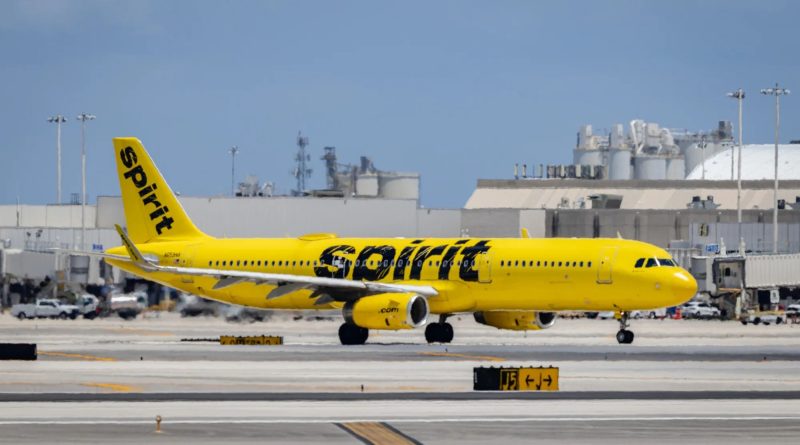
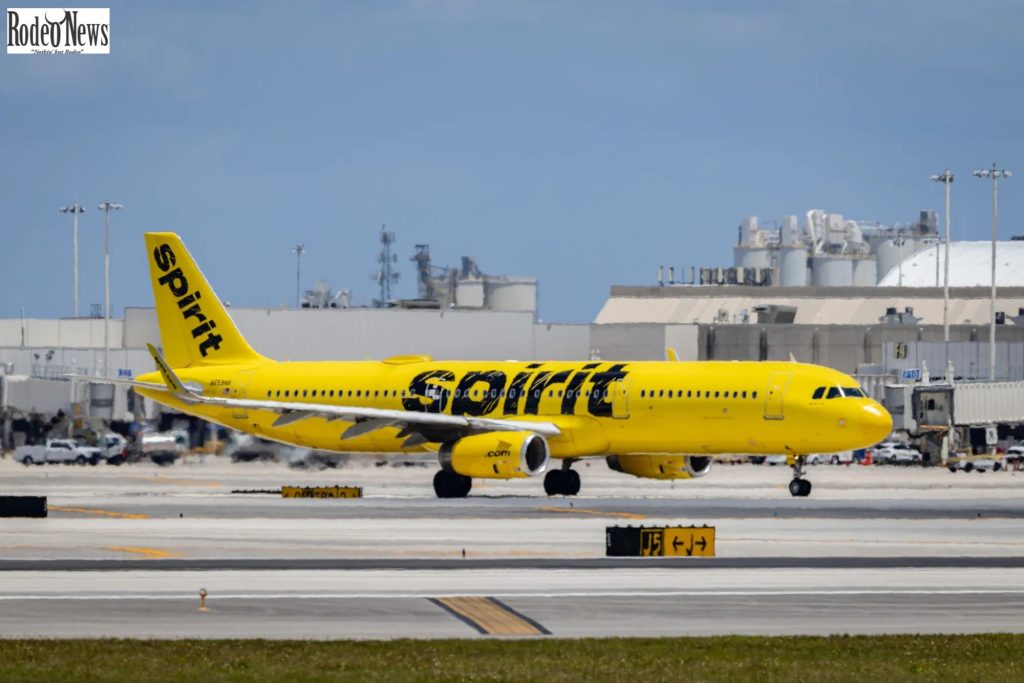
The Trump Spirit Airlines proposal is quickly becoming one of the most controversial economic ideas in the aviation sector this year. President Donald Trump has publicly stated he is considering having the United States government buy Spirit Airlines, a struggling budget airline facing severe financial distress.
The idea, which surfaced amid ongoing discussions of a federal bailout, could reshape the airline industry, influence market competition, and raise serious questions about government intervention in private business.
A Bold Proposal: Government Ownership of an Airline
Speaking during recent discussions, Trump suggested that acquiring Spirit Airlines could be a smart investment for the federal government. According to reports, the administration has been evaluating options that range from financial assistance to a full or partial takeover.
The proposal comes as Spirit Airlines continues to struggle with mounting debt, rising fuel costs, and operational challenges. The airline has already faced bankruptcy proceedings multiple times in recent years, putting thousands of jobs at risk.
Trump framed the idea as both an economic opportunity and a rescue mission.
He indicated that the government could stabilize the airline, protect jobs, and later sell it for a profit once market conditions improve—particularly if fuel prices decline.
Why Spirit Airlines Is in Trouble
To understand the Trump Spirit Airlines plan, it’s essential to examine why the airline is in such a vulnerable position.
Spirit operates as an ultra-low-cost carrier, relying heavily on budget-conscious travelers. While this model works during stable economic conditions, it becomes fragile during periods of rising costs and reduced demand.
Several factors have contributed to the airline’s crisis:
- Rising fuel prices linked to geopolitical tensions have sharply increased operating costs
- Failed mergers, including a blocked deal with JetBlue, limited growth opportunities
- Debt accumulation from aggressive expansion strategies
- Operational setbacks, including grounded aircraft
These issues have left Spirit struggling to remain competitive in an industry dominated by larger carriers with stronger financial backing.
The Proposed $500 Million Lifeline
At the center of the discussion is a potential government-backed financing package worth up to $500 million.
This deal could include equity warrants that may give the US government a significant ownership stake—possibly even a controlling share.
Supporters argue that this approach would:
- Prevent the airline from collapsing
- Protect more than 14,000–17,000 jobs
- Maintain competition in the low-cost travel market
Labor unions representing airline workers have largely backed the idea, emphasizing the importance of preserving employment and affordable travel options.
Political and Industry Backlash
Despite some support, the Trump Spirit Airlines plan has sparked strong criticism from lawmakers, economists, and industry leaders.
Critics raise several concerns:
1. Taxpayer Risk
Opponents argue that using public funds to rescue a failing airline could expose taxpayers to significant financial losses.
2. Market Distortion
Government ownership could disrupt fair competition, giving Spirit an advantage over privately operated airlines.
3. Dangerous Precedent
Experts warn that bailing out Spirit could encourage other struggling airlines to seek similar assistance.
Analysts from major financial institutions have also expressed skepticism, suggesting that the airline’s business model may not be sustainable even with government support.
Trump’s Strategy: Buy Low, Sell High
One of the most debated aspects of the plan is Trump’s apparent strategy to treat the airline as an investment.
He has suggested that the government could:
- Acquire Spirit Airlines at a low valuation
- Stabilize operations and reduce losses
- Sell the airline later at a profit
The idea hinges heavily on external factors—especially fuel prices and overall travel demand.
If those conditions improve, the government could potentially recoup its investment or even generate a profit. However, if they do not, taxpayers could be left bearing the cost.
Impact on Airline Competition
The Trump Spirit Airlines proposal could significantly affect competition within the US aviation market.
Spirit plays a crucial role as a low-cost carrier, often forcing larger airlines to keep prices competitive. If the airline were to collapse, experts warn that ticket prices could rise due to reduced competition.
On the other hand, a government-backed Spirit could create an uneven playing field.
Major airlines have already voiced concerns about competing against a company supported by federal resources.
Job Protection vs. Economic Efficiency
A central argument in favor of the plan is job preservation.
Spirit Airlines employs tens of thousands of workers, and its collapse could have widespread economic consequences, especially in regions dependent on aviation jobs.
Supporters believe government intervention is justified to prevent large-scale layoffs.
However, critics argue that saving jobs in one company should not come at the expense of broader economic efficiency.
Some analysts suggest that allowing the airline to restructure or even liquidate could lead to a healthier market in the long term.
Historical Context: Government Bailouts
The United States has a history of stepping in during economic crises, particularly in industries considered critical to national infrastructure.
Examples include:
- The 2008 financial crisis bailouts
- Pandemic-era airline support programs
However, a direct government purchase of a commercial airline would be highly unusual and could mark a significant shift in economic policy.
What Happens Next?
As of now, no final decision has been made regarding the Trump Spirit Airlines plan.
Negotiations are ongoing, and several outcomes remain possible:
- A full government acquisition
- A partial bailout with equity stake
- A private-sector rescue deal
- Or bankruptcy and restructuring without federal involvement
Upcoming court hearings and policy discussions are expected to play a crucial role in determining the airline’s future.
Key Takeaways: 5 Major Impacts
The Trump Spirit Airlines proposal could have far-reaching consequences:
1. Potential Government Ownership
A rare move that could redefine US economic policy.
2. Job Preservation
Thousands of jobs could be saved—but at what cost?
3. Market Disruption
Competition in the airline industry may be reshaped.
4. Taxpayer Exposure
Public funds could be at risk if the plan fails.
5. Long-Term Precedent
Future bailouts may become more likely across industries.
Conclusion
The Trump Spirit Airlines plan is more than just a rescue proposal—it’s a test of how far the US government is willing to go to stabilize key industries.
While the idea of buying and later selling the airline for profit may sound appealing, the risks are substantial. The outcome will depend on political negotiations, economic conditions, and whether policymakers believe the benefits outweigh the costs.
One thing is clear: whatever decision is made, it will have lasting implications not only for Spirit Airlines but for the entire aviation industry and the broader US economy.