Historic Winter Storm Strains U.S.–Canada Power Grids, Disrupts Millions
January 30, 2026 — A sweeping winter storm spanning from the United States into Canada has placed unprecedented strain on electricity networks, leading to widespread power outages, record demand forecasts and emergency government actions.
An expansive and powerful winter system — unofficially named Winter Storm Fern by forecasters — barreled across North America this month, battering regions from the Deep South to the Canadian provinces with snow, ice and sub-zero temperatures. Utilities, grid operators and government officials have struggled to keep pace with the soaring demand for power and the physical stress on infrastructure required to heat and protect millions of residents.
A Storm With Uncommon Scale and Impact
First forming near the U.S.–Mexico border on January 22, the January 2026 North American winter storm developed into one of the most expansive weather systems in recent years, stretching more than 3,200km across the continent. It brought snow, ice and sleet to deeply disparate regions, from Texas through New England and well into central and Atlantic Canada.
At its peak, widespread power outages affected more than one million homes and businesses, with the hardest-hit areas in the southern and mid-eastern United States still grappling with intermittent supply disruptions days after the worst of the storm passed.
In Canada, the storm set daily snowfall records in Toronto, where precipitation totals pushed the city toward one of its snowiest Januarys on record.
Strain on Grids and Record Demand
Across the United States, grid operators reported exceptionally high electricity demand driven by prolonged freezing temperatures. On January 30, operators of the PJM Interconnection — responsible for power delivery to roughly 67 million people — forecast peak winter demand nearing all-time records, as Arctic weather persisted well into the end of January. PJM managed to navigate days of frigid conditions without resorting to rolling blackouts, but the pressure on the system remained extreme.
The North American Electric Reliability Corporation (NERC), which monitors grid stability across the U.S. and Canada, warned in a long-term assessment that winter peak demand could rise sharply over the next decade, potentially surpassing recent historical highs. Changes in energy use — including more homes relying on electricity for heating and the rapid growth of high-power facilities like data centers — are increasing vulnerability to winter outages.
Outages, Emergency Orders, and Government Action
Utilities and grid operators deployed emergency measures to sustain power supply during the cold snap. In the Mid-Atlantic and New England, the U.S. Department of Energy issued and extended emergency orders that allowed grid operators to run additional generation resources and relax certain regulatory limits to avert blackouts as temperatures plunged.
Despite these efforts, outages persisted across several states. At one point, hundreds of thousands of customers in Tennessee, Mississippi, Louisiana and other jurisdictions remained without electricity, even as crews worked around the clock to restore service.
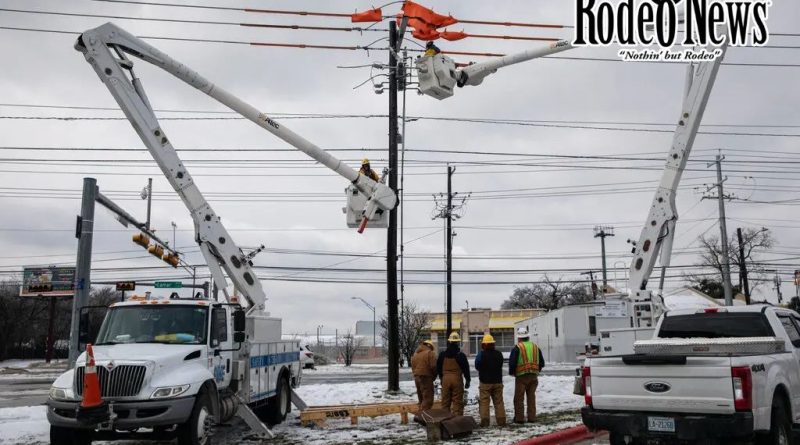
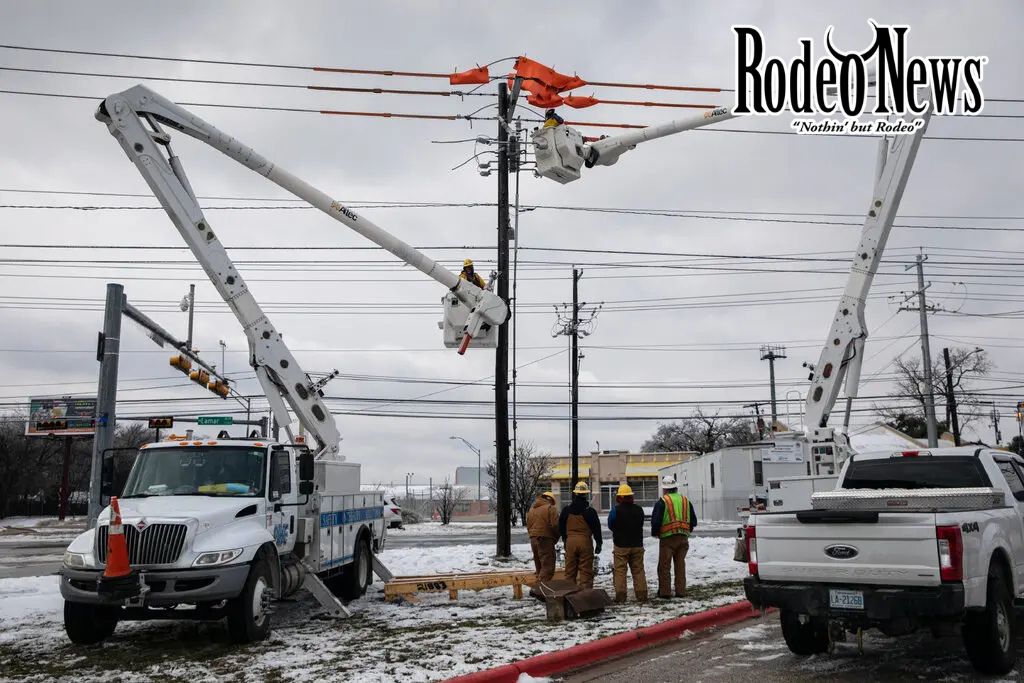
Utility officials said that ice accumulation, heavy snow loads and freezing temperatures physically damaged distribution networks, snapping poles and lines and complicating repair efforts.
Human and Economic Toll
The winter storm has had a profound human cost. Across southeastern and eastern U.S. states, weather warnings encompassed tens of millions of residents, and cold-related deaths were reported in multiple jurisdictions. Hospitals, emergency services and community shelters grappled with the dual challenges of treating weather-related injuries while maintaining operations under strained energy supplies.
The storm also disrupted travel and commerce. Airports across the U.S. saw thousands of flight cancellations, and hazardous road conditions forced closures and delays across major transportation corridors.
Economists and disaster analysts are forecasting that the costs associated with infrastructure damage, business interruption and emergency response could total many billions of dollars. Comparisons to other historic weather events suggest that Winter Storm Fern may rank among the more costly severe weather events in recent U.S. history.
Looking Ahead: Grid Resilience and Future Risks
As winter conditions persist, challenges for power grids remain acute. Prolonged cold increases demand while simultaneously reducing the efficiency of generation and transmission infrastructure. Analysts caution that without significant upgrades to grid resilience and diversification of energy supplies, similar storms in the future could yield even more severe reliability issues.
Meanwhile, residents and businesses are bracing for more cold and potential follow-on storms, with meteorologists warning that Arctic air masses will continue to influence weather patterns across much of North America in the coming days.