Gangs Armed with U.S.-Made Guns Wait as U.S. Marines Head to Haiti
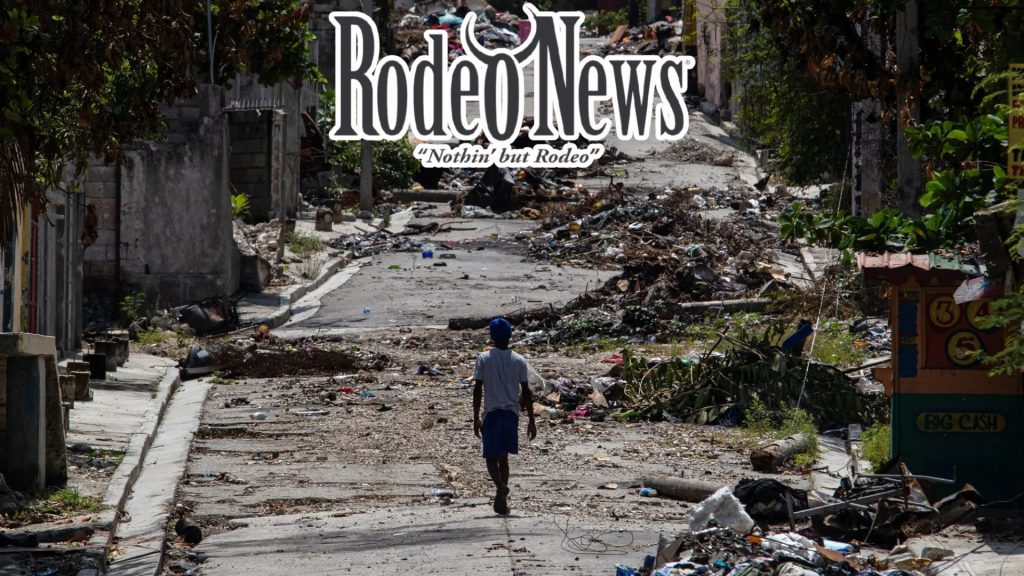
As United States Marine Corps forces prepare to rotate through Haiti to protect the U.S. diplomatic mission, they face a grim reality: heavily armed gangs that dominate the capital are reportedly stockpiling American-made weapons — and appear ready for confrontation.
A Growing Threat
Authorities say many of the firearms used by Haitian gangs such as Viv Ansanm and 400 Mawozo originate from the United States. In some documented cases, guns — including assault rifles and high-caliber weapons — purchased legally in U.S. states were smuggled to Haiti, bypassing customs and border controls.
These weapons give gangs a tactical advantage over Haiti’s overmatched police forces. The superior firepower enables them to conduct brutal attacks, execute kidnappings for ransom, and carry out extortion and territorial battles with impunity. Experts warn the continuing flow of arms makes efforts to restore order increasingly difficult.
Marines Prepare for Danger
In recent weeks, the Marine contingent assigned to guard the U.S. Embassy in Port-au-Prince has been briefed on the heightened risk. Sources familiar with the deployment say the Marines are on alert for possible ambushes or attacks by militias — and consider the presence of U.S.-origin firearms among gang arsenals a major concern.
Some U.S. defence officials privately acknowledge the danger: with gangs sometimes wielding weapons comparable to those used by national armies, even routine embassy security operations could turn deadly. The Marines’ mandate — which includes protecting diplomatic staff and evacuees — may increasingly require quick, forceful responses.
A Crisis Fueled from Abroad
This situation highlights a disturbing paradox: illicit gun trafficking from one of the world’s most regulated military powers is now enabling lawlessness in one of its most fragile allies. Haiti — already reeling from political instability, economic collapse, and mass displacement — now confronts gangs that are heavily armed, emboldened, and deeply entrenched.
International efforts — including arms-trafficking crackdowns, interdiction at ports, and stricter export controls — are being discussed. But economists and security analysts warn that as long as demand and financial incentives remain high, smuggling will find a way. Meanwhile, the Marines prepare for a mission that could test both their resolve and the limits of U.S. diplomatic protection.
What This Means for Haiti — and the U.S.
- The deployment of U.S. Marines protects the embassy — but doesn’t solve the underlying crisis of gang dominance and arms proliferation.
- Unless firearm supply chains are disrupted, Haitian gangs will retain a persistent advantage over police and weak state structures.
- For U.S. military personnel, the risk of confrontation is real — and the mere presence of American-manufactured weapons in gang hands raises complex questions about international responsibility