U.S. Retailers Brace for Black Friday: Can the Holiday Halo Effect Deliver?
NEW YORK — As Thanksgiving dinner settles, U.S. retailers are ready to kick off the holiday shopping season, but this year’s Black Friday could be a test of both consumer sentiment and shopping habits.
Gone are the days when eager shoppers flooded stores at midnight, scrambling for doorbuster deals on toys, electronics, and home goods. The chaotic scenes of crowded aisles and fistfights over discounted TVs have faded into holiday history. Today, the shopping landscape is quieter but no less important for U.S. retailers.
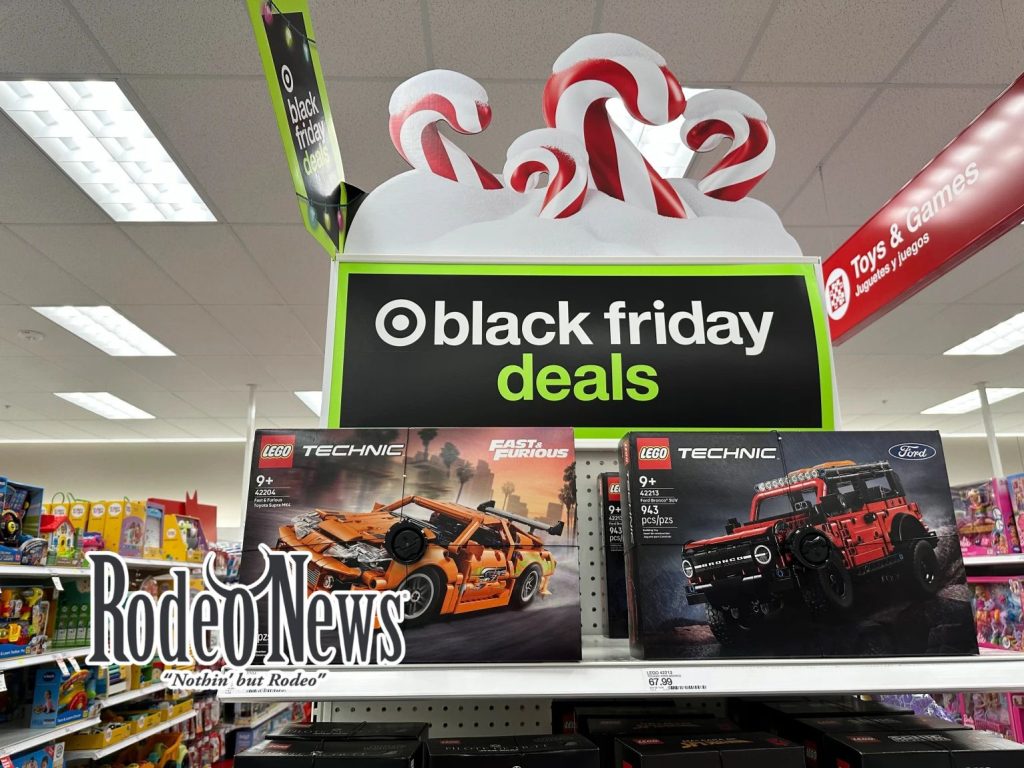
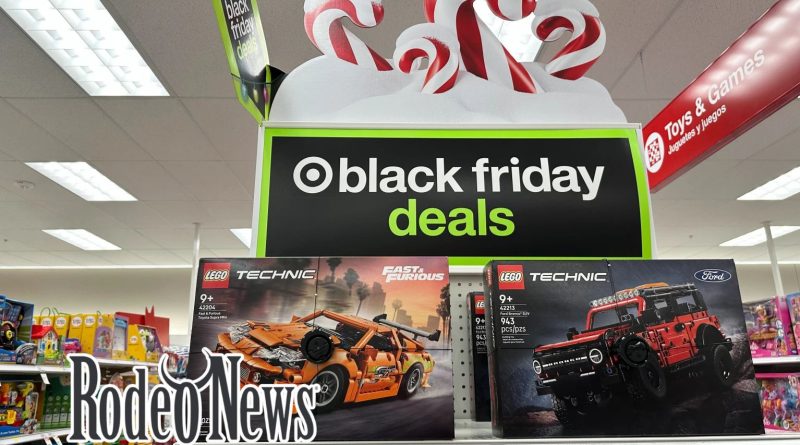
Black Friday, once synonymous with midnight rushes and frenzied mall trips, has evolved with the rise of online shopping and pre-holiday deals that begin well before Thanksgiving. However, it remains a key indicator for the retail sector, as it continues to draw the largest crowds of the year and marks the unofficial start of the holiday shopping season.
Economic Uncertainty Looms Over Holiday Shopping
This year’s Black Friday comes amid growing economic concerns. Consumer confidence in the U.S. has slipped in recent weeks, reflecting unease over factors such as the recent federal government shutdown, slow hiring trends, and persistent inflation, according to a report from The Conference Board released earlier this week.
Despite these concerns, many retailers are hopeful. Bill Adams, Chief Economist at Comerica Bank, offered an optimistic view, noting that consumers have continued to spend in the face of tough economic conditions for years.
“Consumers have been saying the economy is terrible while continuing to spend for years now, so the outlook is probably better than they are telling us,” said Adams. “But at the same time, surveys indicate that shoppers are becoming more discerning, more price-sensitive, and selective in their spending.”
This cautious approach is likely to result in a more measured holiday shopping season, with consumers focusing on specific categories and major occasions. However, the presence of key retail events like Black Friday and the subsequent Cyber Monday could serve as a “halo effect,” stimulating spending even in an uncertain economic climate.
Higher Prices Could Impact Holiday Spending
The challenges for retailers this year are compounded by rising costs. In 2023, more than 40% of general merchandise saw price hikes of 5% or more in September alone, according to market research firm Circana. This was largely driven by the ripple effects of President Donald Trump’s tariffs on Chinese imports, which affected everything from toys and baby products to housewares and sporting goods.
The Toy Association reported that nearly 80% of toys sold in the U.S. are manufactured in China, a country that faced significant tariffs throughout the year. As a result, toy prices saw some of the most notable increases, with 83% of toys sold in September priced at least 5% higher than earlier in the year.
Despite these price pressures, analysts are still optimistic about Black Friday’s performance. Retail experts and mall executives alike are hopeful that consumers will prioritize holiday shopping despite inflationary concerns, especially for key categories like electronics and toys.
Mall Traffic and Online Shopping Continue to Surge
Although Black Friday may no longer feature the same chaotic in-store rush of past decades, it remains a critical moment for both brick-and-mortar and online retailers. Foot traffic in some of the largest U.S. malls is already showing positive momentum. At the Mall of America in Bloomington, Minnesota, foot traffic has already surpassed pre-pandemic levels from 2019, according to Jill Renslow, the mall’s Chief Business Development and Marketing Officer.
“We’re seeing a very positive start to the holiday season,” said Renslow. “The last few Saturdays in November have been very strong.”
On the digital front, the holiday shopping season has been off to a solid start. From November 1 to November 23, consumers spent $79.7 billion online, marking a 7.5% year-over-year increase. This exceeded the 5.3% growth forecast by Adobe Analytics. This surge in online sales shows that while the dynamics of holiday shopping have changed, the appetite for deals remains strong.
What to Expect for Black Friday Deals
As retailers vie for attention with discounts across multiple categories, the deals themselves are already being strategized. According to Adobe Analytics, Black Friday is expected to be the best day for deals on electronics like TVs, toys, and appliances. However, Cyber Monday will likely offer the best discounts on apparel and computers.
For example, discounts on apparel between November 1 and November 23 averaged 12.2%, but are expected to peak at 25% off on Cyber Monday, according to Adobe’s data. Meanwhile, Thanksgiving Day itself was identified as the best day to shop for sporting goods, based on deep discounting trends observed in recent years.
Looking Ahead: Will the Holiday Halo Effect Be Enough?
For retailers, Black Friday remains an important benchmark, not only in terms of sales performance but also for gauging consumer sentiment as the holiday season unfolds. While inflation, tariffs, and broader economic uncertainty pose challenges, the “holiday halo effect” — where consumers increase spending despite economic worries — could help push sales higher.
As the shopping season progresses, retailers will be closely watching consumer behaviors. Will shoppers continue to splurge on holiday gifts, or will caution dominate their spending habits? For now, Black Friday remains a critical test of how the U.S. consumer will navigate the complex balance of economic pressures and festive cheer.