Iran US Talks Pakistan: No Meeting Planned Amid Rising Tensions
Iran has officially ruled out any direct meeting with United States negotiators in Pakistan, dealing a fresh blow to already fragile diplomatic efforts aimed at resolving the ongoing conflict between the two nations. The development comes at a critical moment, as global markets remain volatile and geopolitical tensions continue to escalate across the Middle East.
According to multiple reports, Iranian officials confirmed that while Tehran is open to indirect communication, no face-to-face discussions with U.S. envoys are scheduled during the latest diplomatic push in Islamabad.
Diplomatic Efforts Continue—But Without Direct Contact
Despite expectations that Pakistan could host another round of high-level negotiations, Iran’s position appears firm. Officials emphasized that any communication with Washington would be conducted through intermediaries rather than direct engagement.
Pakistan has taken on the role of mediator, attempting to bridge the widening gap between Tehran and Washington. However, Iran has made it clear that it will not participate in direct talks under current conditions.
This stance reflects deep mistrust between the two countries, which has only intensified following recent military and economic developments.
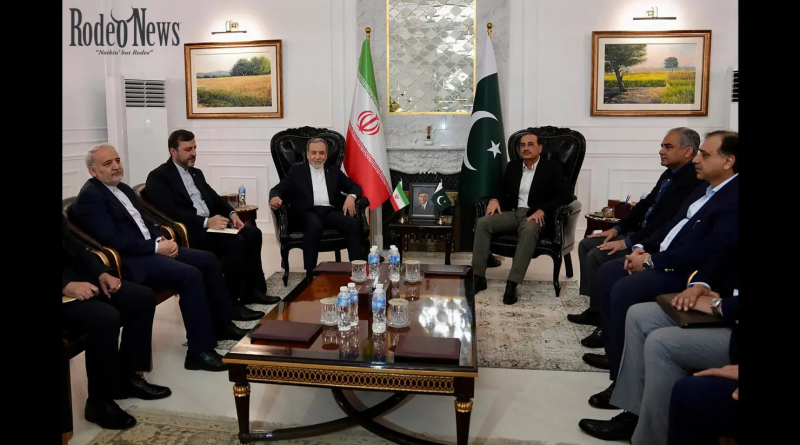
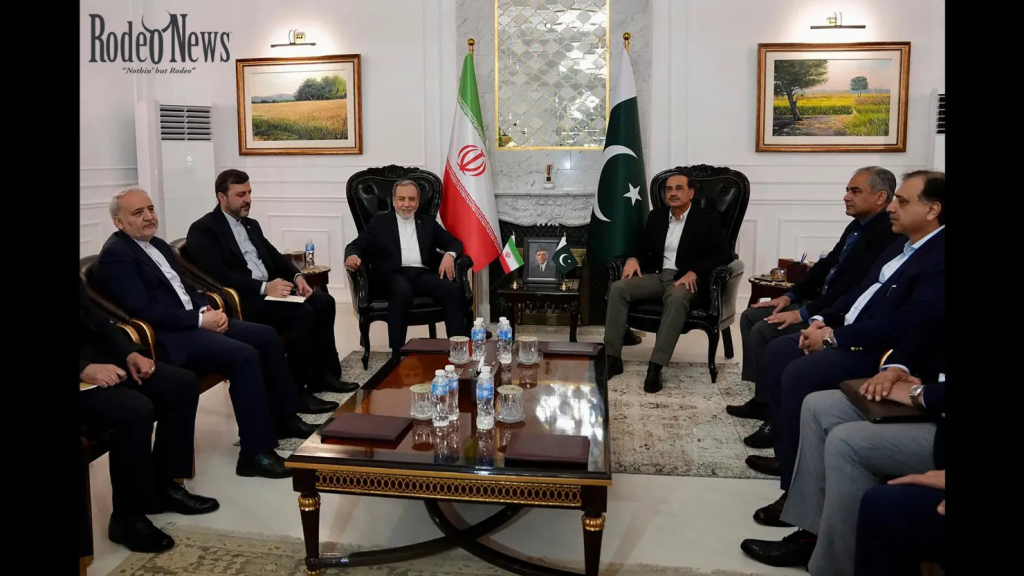
Iranian Foreign Minister Abbas Araqchi, currently in Islamabad, is expected to meet Pakistani leaders but will avoid any scheduled interaction with U.S. representatives.
Background: Failed Talks and Escalating Conflict
The refusal to engage directly comes shortly after earlier negotiations in Pakistan failed to produce a breakthrough. The previous round of talks, held in April, ended without agreement despite marathon discussions lasting over 20 hours.
Those negotiations were seen as a critical opportunity to stabilize the region, particularly amid concerns over the Strait of Hormuz, a vital global oil route. However, disagreements over Iran’s nuclear program and sanctions relief proved insurmountable.
Since then, tensions have escalated significantly. The United States imposed a naval blockade targeting Iranian oil exports, while Iran responded by restricting maritime activity in the region.
The standoff has had immediate global consequences, including rising oil prices and increased uncertainty in international markets.
U.S. Position: Pressure and Opportunity
While Iran has rejected direct talks, the United States continues to signal openness to negotiation—provided Tehran meets certain conditions.
U.S. officials have reiterated demands that Iran abandon its nuclear weapons ambitions in a verifiable manner. Defense Secretary Pete Hegseth recently stated that Iran still has a chance to reach a “good deal” if it complies with international expectations.
At the same time, Washington is maintaining significant pressure through sanctions and military positioning in the region. This dual strategy—combining diplomacy with coercion—has defined U.S. policy toward Iran throughout the current crisis.
However, Iranian leaders have dismissed what they describe as “maximalist demands,” signaling that major concessions are unlikely without reciprocal actions from the United States.
Pakistan’s Role as a Key Mediator
Pakistan has emerged as a central diplomatic player in the conflict, hosting talks and facilitating communication between the two adversaries.
Islamabad’s involvement reflects its strategic position and longstanding relationships with both Tehran and Washington. Pakistani officials have been actively engaged in shuttle diplomacy, attempting to de-escalate tensions and preserve a fragile ceasefire.
While Pakistan has achieved some success in bringing both sides to the table, the lack of direct engagement between Iran and the U.S. underscores the limits of its influence.
Nevertheless, analysts believe Pakistan’s mediation efforts remain crucial. Without a neutral intermediary, the risk of further escalation could increase significantly.
Global Impact: Oil Markets and Economic Pressure
The ongoing standoff has had far-reaching implications beyond the Middle East. One of the most immediate effects has been on global energy markets.
The Strait of Hormuz, through which roughly one-fifth of the world’s oil supply passes, has become a focal point of the الأزمة. Disruptions in the region have already driven oil prices sharply higher, contributing to inflationary pressures worldwide.
Shipping routes remain uncertain, and any further escalation could trigger a broader economic shock.
In addition, sanctions and blockades have placed significant strain on Iran’s economy, while also affecting global supply chains.
Indirect Talks: A Fragile Alternative
Although direct talks are off the table for now, indirect negotiations remain a possibility. Under this arrangement, Pakistan would relay messages between the U.S. and Iran, allowing dialogue to continue without face-to-face meetings.
This approach has been used in previous rounds of diplomacy, with mixed results. While it can help maintain communication, it often slows progress and increases the risk of misunderstandings.
Still, both sides appear willing to keep this channel open, suggesting that a complete diplomatic breakdown has not yet occurred.
Regional Tensions Continue to Rise
The broader regional context adds another layer of complexity to the situation. Fighting in neighboring areas, including Lebanon, continues despite ceasefire agreements, while military threats remain a constant concern.
Meanwhile, the U.S. naval presence in the region has expanded, and Iran has warned of potential retaliation if pressure continues.
These developments highlight the fragile nature of the current ceasefire and the high stakes involved in ongoing negotiations.
What Comes Next?
The decision by Iran to avoid direct talks in Pakistan raises serious questions about the future of diplomacy between Tehran and Washington.
On one hand, the continued willingness to engage indirectly suggests that both sides still see value in negotiation. On the other hand, the absence of direct dialogue makes a comprehensive agreement far more difficult to achieve.
Key issues—such as Iran’s nuclear program, sanctions relief, and regional security—remain unresolved. Without progress on these fronts, the risk of further escalation cannot be ruled out.
Conclusion: A Critical Moment for Diplomacy
The latest developments in Iran US talks Pakistan highlight the deep divisions that continue to define the relationship between the two countries.
While diplomatic efforts are ongoing, the lack of direct engagement underscores the challenges ahead. With global markets on edge and regional tensions rising, the stakes could hardly be higher.
For now, Pakistan’s role as a mediator offers a glimmer of hope. But unless both sides are willing to compromise, a lasting resolution may remain out of reach.