Slovakia’s Fico Threatens to Cut Electricity to Ukraine Unless Russian Oil Transit Resumes
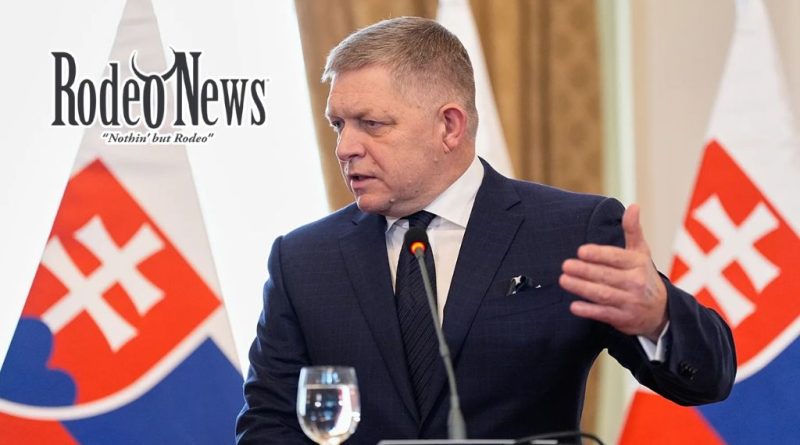
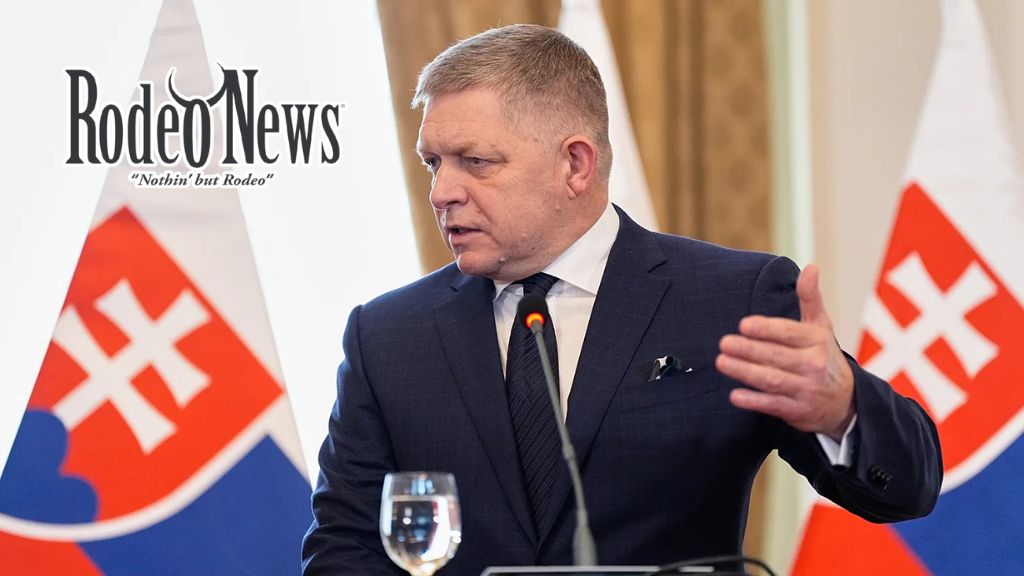
Slovak Prime Minister Robert Fico has warned that his government could halt electricity exports to Ukraine if Russian oil flows through Slovakia are not restored, opening a new front in Europe’s fraught energy landscape.
Fico said Slovakia would consider “reciprocal measures” if disruptions to Russian crude supplies continue, linking the country’s electricity assistance to Ukraine with the resumption of oil transit critical to Slovakia’s refineries and broader energy security.
The remarks underscore mounting strain in Central Europe, where energy flows remain deeply entangled with the geopolitical fallout from Russia’s war in Ukraine.
Oil Transit at the Heart of the Dispute
Slovakia relies heavily on oil delivered via the Soviet-era Druzhba pipeline system, which transports Russian crude to several Central European countries. Interruptions to that supply — whether due to sanctions, transit disputes or wartime disruptions — have placed pressure on Bratislava’s energy infrastructure.
Fico argued that Slovakia cannot be expected to shoulder economic costs indefinitely while continuing to provide electricity to Ukraine, which has depended on European power imports following repeated attacks on its grid since 2022.
Ukraine has significantly increased electricity imports from neighboring European Union countries to stabilize its energy system during peak demand and infrastructure repairs. Slovakia has been among the suppliers helping bridge those shortages.
A Delicate European Balance
The European Union has sought to reduce reliance on Russian fossil fuels since Moscow’s full-scale invasion of Ukraine, diversifying supply routes and accelerating renewables deployment. However, several landlocked countries — including Slovakia and Hungary — remain structurally dependent on Russian pipeline oil.
Fico, who returned to power pledging a more nationalist and pragmatic foreign policy, has repeatedly criticized aspects of EU sanctions policy. He argues that abrupt cutoffs in Russian energy disproportionately hurt smaller economies.
His latest comments raise concerns in Brussels, where officials have worked to maintain unity in support of Kyiv. Conditioning electricity exports on oil transit could complicate EU coordination efforts, particularly as Ukraine faces ongoing energy vulnerability.
Ukraine’s Energy Strain
Ukraine’s power grid has been under sustained pressure since Russia began targeting energy infrastructure. Rolling blackouts, emergency imports and rapid grid repairs have become part of daily life in many regions.
Electricity imports from neighboring EU states — including Slovakia, Poland and Romania — have provided crucial stability during winter months and periods of peak consumption.
Any disruption in cross-border power supply could force Ukraine to seek alternative arrangements or implement further rationing.
Political Signaling or Imminent Action?
It remains unclear whether Slovakia will move swiftly to curtail exports or whether Fico’s comments are primarily aimed at strengthening Bratislava’s negotiating position within the EU.
Analysts note that electricity trade within the European network operates under regulatory frameworks that make unilateral shutdowns complex. Nevertheless, political statements can rattle markets and diplomatic ties even without immediate implementation.
The dispute highlights the persistent interdependence between Russia, EU member states and Ukraine in the energy sphere — an entanglement that sanctions and diversification efforts have not fully unraveled.
As winter demand cycles continue and oil transit negotiations evolve, the standoff risks adding fresh volatility to a region already navigating war, sanctions and economic strain. For both Slovakia and Ukraine, energy remains not just a commodity, but a lever of political power.