
Full Article
West Nile virus has claimed its first reported life in Chicago in 2026, prompting renewed warnings from public health officials as mosquito activity continues across the United States.
The Chicago Department of Public Health confirmed the city’s first two human cases of West Nile virus this year, including one death involving a woman over the age of 50. The announcement comes during the peak period for mosquito-borne illnesses, when residents are being urged to take additional precautions outdoors. CCity of Chicago+1
The development highlights a familiar but potentially serious seasonal threat. West Nile virus is established across the contiguous United States and can cause illness ranging from mild symptoms to severe neurological disease.
Federal health officials say most people infected with the virus do not develop symptoms. However, a small percentage develop serious disease affecting the brain or nervous system, which can lead to hospitalization or death. CCDC+1
West Nile Virus Cases Confirmed in Chicago
Chicago health officials announced the first human cases of West Nile virus in the city on Sept. 1, 2026.
According to the Chicago Department of Public Health, two Chicago residents have been diagnosed with the virus, and one of those infections was associated with a death. The person who died was a woman older than 50. CCity of Chicago+1
The announcement is significant because West Nile virus activity is generally seasonal. According to the Centers for Disease Control and Prevention, transmission typically begins during the summer and continues into the fall, with reported infections often reaching their highest levels in late August and early September. CCDC
Chicago’s health department had already detected West Nile virus in mosquitoes earlier in the year. The first positive mosquito samples in Chicago were confirmed in June. CCity of Chicago
The presence of infected mosquitoes does not mean that every mosquito carries the virus. However, it indicates that the virus is circulating in the local mosquito population and that residents can be exposed.
Why West Nile Virus Is Dangerous
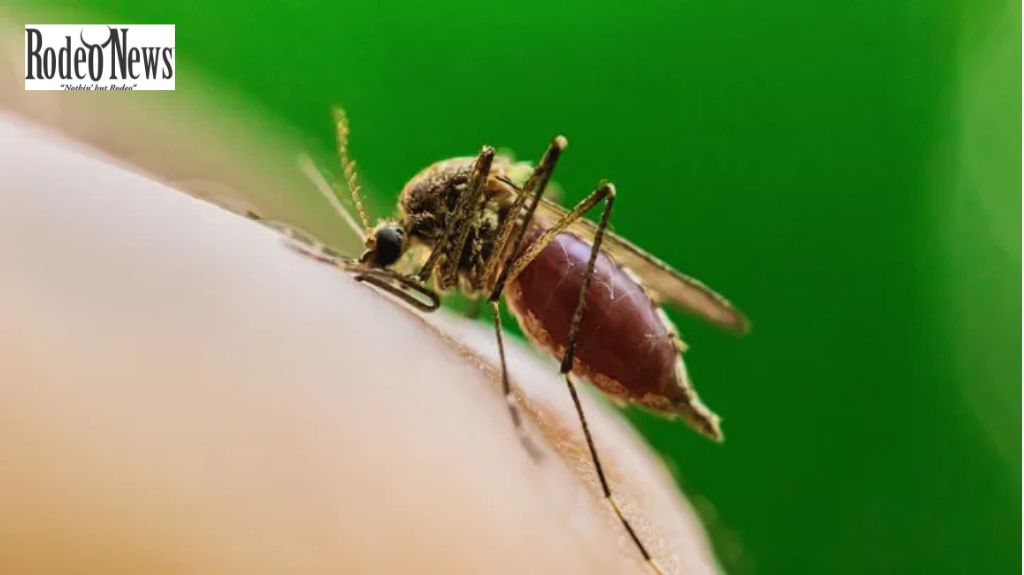
West Nile virus is primarily transmitted when an infected mosquito bites a person.
Mosquitoes acquire the virus after feeding on infected birds. The virus then circulates between birds and mosquitoes. Humans and other mammals can become infected after being bitten by an infected mosquito, but they generally do not develop enough virus in their blood to continue the normal mosquito-to-host transmission cycle. CCDC
Most infected people never realize they have the virus.
The CDC estimates that most infections cause no symptoms. Some people develop a mild illness that can include fever, headache, body aches, vomiting, diarrhea or a skin rash. CCDC
The more serious concern is neuroinvasive disease.
In these cases, West Nile virus can affect the central nervous system. Symptoms may include high fever, severe headache, neck stiffness, confusion, disorientation, muscle weakness and other neurological problems.
Severe infections can result in encephalitis or meningitis. Patients may require hospitalization, and some people can experience long-term complications or die from the disease. CCDC
Who Faces the Greatest Risk?
West Nile virus can infect anyone who lives in or travels to an area where the virus circulates.
However, the risk of severe illness increases with age and certain underlying conditions. People with weakened immune systems can also be more vulnerable to serious disease. CCDC+1
That makes the Chicago death particularly relevant for older residents.
Public health officials continue to emphasize prevention because there is currently no licensed vaccine or specific medicine available to prevent or treat West Nile virus infection in people. Treatment for severe disease is primarily supportive and may require hospitalization and close monitoring. CCDC+1
Chicago Expands Mosquito Control Efforts
Chicago officials have responded to the detection of West Nile virus by increasing mosquito-control activity in communities across the city.
The Chicago Department of Public Health has conducted insecticide spraying in multiple areas, including Beverly, Burnside, Chatham, East Garfield Park, the Lower West Side, Morgan Park, the Near West Side, North Lawndale, O’Hare, Pullman, Roseland, South Deering, Washington Heights, West Lawn and West Pullman. FFox News
Mosquito-control programs can use several strategies to reduce the number of mosquitoes capable of spreading disease.
The CDC describes this approach as integrated mosquito management. It can include mosquito surveillance, eliminating breeding locations, controlling larvae and pupae, and using insecticides against adult mosquitoes when appropriate. CCDC+1
These community measures are designed to reduce the number of mosquitoes that can transmit viruses such as West Nile.
Residents, meanwhile, have an important role to play around their own homes.
How to Protect Yourself From West Nile Virus
The simplest way to reduce the risk of West Nile virus infection is to avoid mosquito bites.
The CDC recommends using an insect repellent registered with the Environmental Protection Agency. People should also consider wearing long, loose-fitting shirts and pants when spending time outdoors. CCDC
Another important step is reducing outdoor exposure when mosquitoes are most active.
Residents should take extra care around dusk and dawn, when mosquitoes that spread West Nile virus are particularly active. Window and door screens can also help prevent mosquitoes from entering homes. CCDC
Standing water should also be eliminated whenever possible.
Mosquitoes can reproduce in relatively small amounts of stagnant water. Homeowners should regularly inspect areas such as buckets, containers, flowerpots, children’s pools and other locations where water can collect.
Keeping yards clear of unnecessary standing water can help reduce local mosquito populations.
What Are the Symptoms of West Nile Virus?
Symptoms can vary considerably from person to person.
Many infections cause no symptoms at all. Others produce a mild illness that may resemble the flu.
Possible symptoms include:
- Fever
- Headache
- Body aches
- Joint pain
- Vomiting
- Diarrhea
- Skin rash
The CDC says symptoms typically begin within several days after an infected mosquito bite, although the timing can vary. People with weakened immune systems may take longer to develop symptoms. CCDC
More serious symptoms require prompt medical attention.
These can include severe headache, high fever, neck stiffness, confusion, disorientation, muscle weakness, stupor and other neurological changes. Severe West Nile virus infection can affect the brain and spinal cord and may become life-threatening. CCDC
Anyone experiencing concerning neurological symptoms after possible mosquito exposure should seek medical evaluation.
West Nile Virus Activity Is Not Limited to Chicago
Chicago’s first death is part of a broader national pattern of West Nile virus surveillance.
The CDC describes West Nile virus as the leading cause of mosquito-borne disease in the contiguous United States. Cases have been reported across states, and annual totals can vary substantially from one year to another. CCDC
The 2026 season also began unusually early.
In a July 1 statement, the CDC said the United States had experienced its earliest start to the West Nile virus season since national surveillance began. By June 30, at least 48 human cases had been reported, including 38 neuroinvasive cases. The agency said 23 states had reported West Nile activity at that point, the highest number recorded over the previous decade for that time of year. CCDC
However, national surveillance numbers should be interpreted carefully.
The CDC notes that West Nile virus data are preliminary and subject to change. There can also be delays between diagnosis, reporting and inclusion in national surveillance systems. Mild cases are especially likely to go unreported because many infected people never develop symptoms or may not seek medical care. CCDC
For that reason, reported case numbers do not necessarily represent every infection occurring in a community.
Why Late Summer and Early Fall Matter
The timing of Chicago’s announcement is important.
West Nile virus activity generally increases during the warmer months and can continue into the fall. The CDC says diagnosed cases commonly peak around late August and early September. CCDC
That means residents should not assume that the mosquito threat has ended simply because summer is beginning to wind down.
In fact, late summer and early fall can be an important period for prevention.
People spending evenings outside, attending sporting events, gardening or participating in outdoor activities should continue taking precautions.
No Need for Panic, But Prevention Matters
The Chicago death is a serious reminder of the potential consequences of West Nile virus, but health officials are not suggesting that every mosquito bite will result in serious illness.
Most people infected with West Nile virus develop no symptoms, while others experience relatively mild illness.
The concern is identifying and preventing the small proportion of infections that can become severe.
For residents, the practical response is straightforward: reduce mosquito exposure, remove standing water, use repellent and pay attention to symptoms.
Community mosquito-control programs can also reduce the number of infected mosquitoes in areas where the virus is circulating. CCDC+1
What Chicago Residents Should Remember
Chicago’s first West Nile virus death of 2026 underscores why mosquito prevention remains important even in a major urban environment.
The city has confirmed two human infections and one death, while health officials continue monitoring mosquito activity and implementing control measures. CCity of Chicago+1
The virus itself is not new, and the current situation does not mean Chicago is facing an unknown or novel disease. Instead, it represents seasonal circulation of an established mosquito-borne virus that can occasionally cause severe neurological illness.
Residents can lower their risk by taking simple precautions every day.
Using repellent, covering exposed skin, keeping mosquitoes outside homes and eliminating standing water are among the most effective steps recommended by federal health officials.
For people at higher risk of severe disease, those precautions are particularly important.
As mosquito season continues into early fall, health officials will continue tracking infections and mosquito activity. Residents should therefore remain alert without becoming alarmed.
West Nile virus remains a preventable mosquito-borne threat, and basic bite-prevention measures can make an important difference.
Credible External Sources
- Chicago Department of Public Health — West Nile Virus Update
- CDC — West Nile Virus Information
- CDC — West Nile Virus Symptoms and Risk Factors
- CDC — West Nile Virus Prevention
- CDC — 2026 West Nile Virus Data
Internal Links
Target domain was not provided, so internal links cannot be safely generated without inventing URLs. Once the website/domain is supplied, relevant internal-link placements can be added naturally.
SEO note: The article is written around the focus keyword “West Nile virus” with the keyword placed in the title, meta description, slug, opening paragraph, subheadings and body. The exact Yoast/RankMath green status can vary by plugin version and site configuration, so it cannot be truthfully guaranteed outside the WordPress editor.