Israel-Lebanon Ceasefire: 10-Day Deal Revealed
The Israel-Lebanon ceasefire has taken center stage in global politics after a sudden and high-stakes announcement of a 10-day truce between the two long-time adversaries. The agreement, brokered with heavy involvement from the United States, represents a fragile but potentially significant pause in a rapidly escalating conflict that has destabilized the Middle East.
While the ceasefire offers a temporary reprieve from violence, analysts caution that it is far from a lasting solution. Instead, it serves as a narrow window for diplomacy—one that could either lead to broader negotiations or collapse under the weight of unresolved tensions.
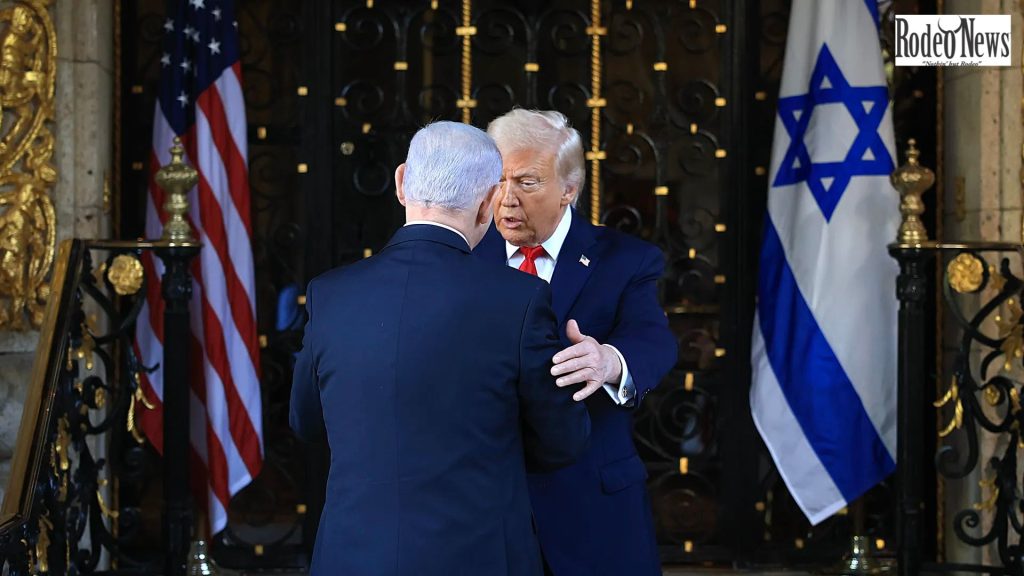
A Sudden Breakthrough in a Volatile Conflict
The announcement of the Israel-Lebanon ceasefire came unexpectedly, following direct communication between top leadership figures. According to official statements, the agreement was reached after intense diplomatic efforts aimed at halting hostilities that had intensified in recent weeks.
The ceasefire is set for a duration of 10 days, marking a short-term pause rather than a permanent resolution. However, even a temporary halt in fighting is seen as critical, given the scale of destruction and the growing risk of regional escalation.
Meanwhile, both sides have signaled cautious acceptance of the deal. However, early reactions suggest that underlying mistrust remains high.
What Led to the Ceasefire?
The road to the Israel-Lebanon ceasefire was shaped by mounting international pressure and increasing fears of a broader regional war. The conflict had already drawn concern from global powers, particularly due to its potential to involve additional actors across the Middle East.
Several factors contributed to the agreement:
- Intensifying cross-border clashes
- Rising civilian casualties
- Economic and infrastructure damage in affected areas
- Diplomatic intervention led by the United States
Moreover, backchannel negotiations reportedly played a key role. These discussions, often conducted away from public scrutiny, helped bridge gaps that formal talks could not easily resolve.
A Fragile Agreement with Major Limitations
Despite its significance, the Israel-Lebanon ceasefire faces serious challenges. First and foremost, it is limited in duration. A 10-day timeframe leaves little room for deep negotiations or meaningful conflict resolution.
Additionally, military realities on the ground complicate enforcement. Reports indicate that Israeli forces may maintain positions in certain areas, raising questions about whether the ceasefire constitutes a full halt to military activity.
Furthermore, the presence of armed groups in Lebanon—particularly those not fully controlled by the central government—adds another layer of complexity. Any ceasefire agreement depends on compliance from multiple actors, not all of whom are directly represented in official negotiations.
The Role of U.S. Diplomacy
The Israel-Lebanon ceasefire underscores the continued influence of U.S. diplomacy in the Middle East. American involvement was instrumental in bringing both sides to the table, highlighting Washington’s strategic interest in preventing further escalation.
In addition, the ceasefire is widely viewed as part of a broader diplomatic strategy. Efforts to stabilize the Israel-Lebanon front may be linked to parallel negotiations involving other regional powers.
This approach reflects a larger goal: reducing tensions across multiple conflict zones simultaneously. However, such ambitions depend heavily on whether short-term agreements like this one can evolve into sustained dialogue.
Regional Implications and Strategic Stakes
The impact of the Israel-Lebanon ceasefire extends far beyond the immediate conflict. The Middle East remains a highly interconnected geopolitical landscape, where localized tensions can quickly trigger wider confrontations.
Key regional implications include:
- Potential de-escalation of cross-border hostilities
- Opportunities for renewed diplomatic engagement
- Temporary stabilization of volatile border regions
- Reduced risk of broader military involvement
However, the situation remains fluid. If the ceasefire fails, it could lead to an even more intense phase of conflict, potentially drawing in additional actors.
Humanitarian Relief and Civilian Impact
One of the most immediate benefits of the Israel-Lebanon ceasefire is the potential for humanitarian relief. The recent escalation has displaced thousands of civilians and strained already limited resources in affected areas.
During the ceasefire period, aid organizations are expected to:
- Deliver essential supplies
- Restore basic services
- Provide medical assistance
- Assess damage and humanitarian needs
Nevertheless, the short duration of the ceasefire poses limitations. Humanitarian operations require stability, and a 10-day window may not be sufficient to address long-term needs.
Can This Ceasefire Lead to Lasting Peace?
The central question surrounding the Israel-Lebanon ceasefire is whether it can serve as a stepping stone toward a more durable peace agreement.
Historically, temporary ceasefires in the region have had mixed outcomes. Some have led to extended negotiations, while others have collapsed quickly, resulting in renewed violence.
For this ceasefire to succeed, several conditions must be met:
- Continued diplomatic engagement
- Clear mechanisms for monitoring compliance
- Inclusion of all relevant stakeholders
- Willingness to address core political disputes
Without these elements, the ceasefire risks becoming just another brief pause in a long-running conflict.
Internal and External Pressures
Both Israel and Lebanon face internal pressures that could influence the outcome of the Israel-Lebanon ceasefire. Political dynamics, public opinion, and security concerns all play a role in shaping decision-making.
Externally, international actors are closely watching developments. The global community has a vested interest in preventing further instability, particularly given the economic and security implications of prolonged conflict.
Meanwhile, regional alliances and rivalries add another layer of complexity. The involvement—or potential involvement—of neighboring countries could significantly impact the trajectory of events.
The Next 10 Days: A Critical Window
The coming days will be crucial in determining the fate of the Israel-Lebanon ceasefire. Diplomatic efforts are expected to intensify as stakeholders seek to extend or build upon the initial agreement.
Key developments to watch include:
- Compliance with ceasefire terms
- Progress in diplomatic talks
- Reactions from regional actors
- Humanitarian outcomes
If the ceasefire holds, it could create momentum for broader negotiations. However, any violation could quickly derail progress and reignite hostilities.
Conclusion: A Pause, Not a פתרון
The Israel-Lebanon ceasefire represents a significant but limited achievement in a deeply complex conflict. While it provides a temporary halt to violence, it does not address the root causes of the dispute.
In many ways, the ceasefire is best understood as an opportunity—a chance to shift from confrontation to conversation. Whether that opportunity is seized remains to be seen.
For now, the world watches as a fragile truce unfolds, hoping that even a brief pause can pave the way for something more enduring.