Used Car Prices Surge as Gas Costs Hit Drivers
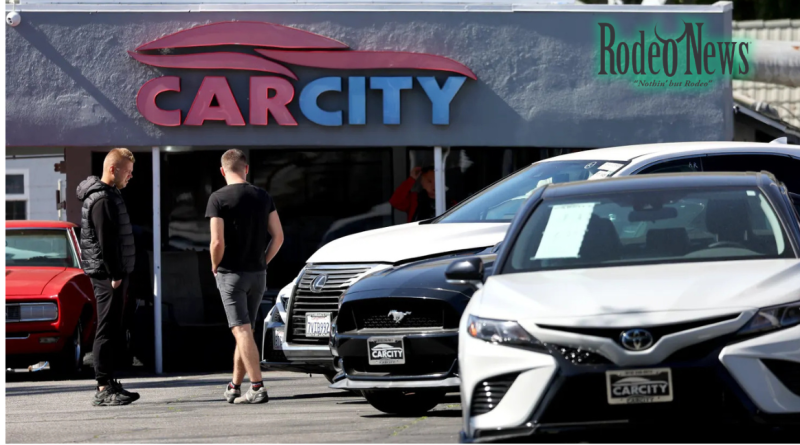
The U.S. auto market is facing another major shift in 2026 as rising fuel costs push more consumers toward affordable and fuel-efficient vehicles. In recent weeks, used car prices have climbed sharply, reaching their highest levels since 2023 as drivers search for alternatives to expensive new vehicles and soaring gasoline expenses.
Industry analysts say the trend reflects a broader economic reality. As gas prices continue climbing nationwide, many Americans are rethinking what kind of vehicle they can realistically afford to own and operate. That shift is now reshaping demand across the used car market.
According to recent automotive market data, wholesale used vehicle prices jumped significantly during the spring selling season. Analysts at Cox Automotive reported strong demand combined with tight inventory, creating upward pressure on prices across multiple vehicle categories.
Gas Prices Are Changing Consumer Behavior
Fuel prices have become one of the biggest concerns for U.S. households in 2026. National gasoline averages recently climbed above $4.50 per gallon, marking the highest level in years.
The surge has been linked to ongoing geopolitical instability affecting global oil supply chains, particularly disruptions tied to tensions in the Middle East. Oil markets have experienced heavy volatility throughout the year, causing rapid increases in fuel costs across the United States.
For consumers, the impact is immediate.
Drivers who previously preferred larger SUVs and pickup trucks are now reconsidering their choices. Smaller sedans, hybrid vehicles, and fuel-efficient used cars are becoming increasingly attractive because they offer lower monthly fuel expenses.
As a result, dealerships across the country are seeing stronger demand for practical vehicles with better mileage ratings.
Analysts say this demand spike is one of the biggest reasons used car prices are rising again.
Limited Inventory Is Driving Prices Higher
Supply shortages are also playing a major role in the market.
Cox Automotive recently reported that used vehicle inventory levels have fallen to some of the lowest levels recorded since at least 2019.
When demand rises while supply shrinks, prices naturally increase.
Several factors are contributing to the inventory problem:
- Fewer lease returns entering the market
- Consumers keeping vehicles longer
- High interest rates limiting trade-ins
- Continued affordability concerns in the new car market
Many buyers simply cannot justify purchasing a new vehicle with elevated financing costs. Instead, they are turning toward used models that offer lower upfront prices.
This shift has intensified competition for affordable vehicles, especially models priced below $25,000.
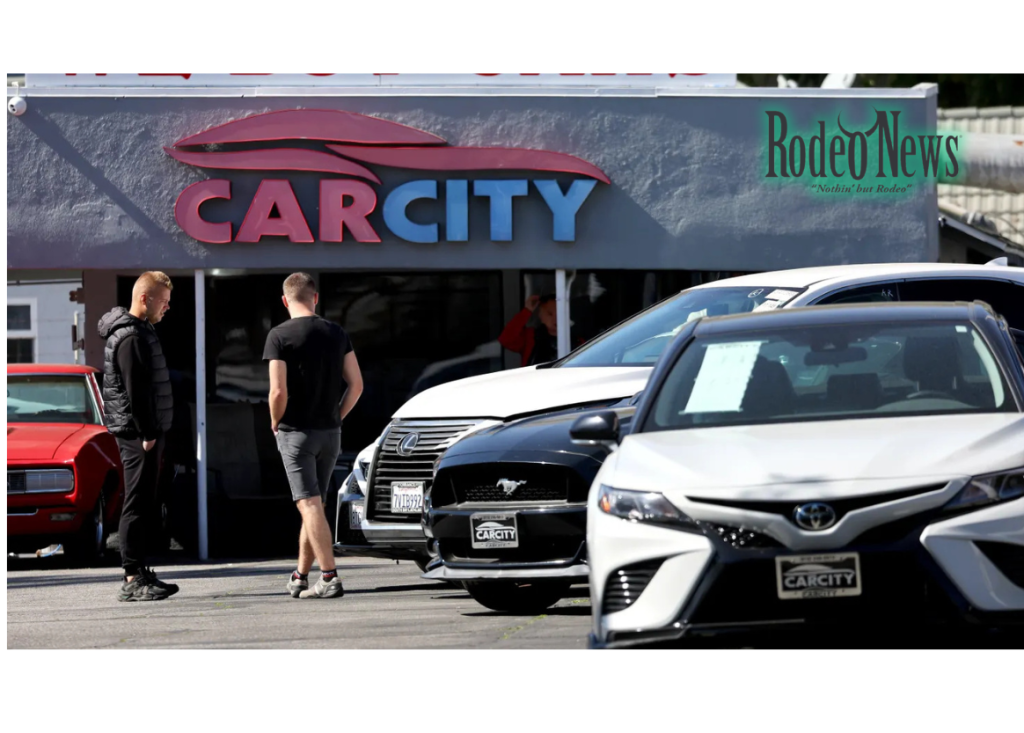
According to market researchers, lower-cost used cars now sell extremely quickly after arriving on dealer lots.
Fuel-Efficient Cars Are Seeing the Strongest Demand
Not every vehicle segment is performing equally.
Fuel-efficient cars and compact vehicles are experiencing the strongest increase in buyer interest. Hybrid models and smaller sedans are becoming especially popular among commuters trying to reduce gasoline expenses.
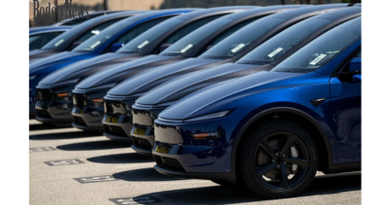
Meanwhile, demand for electric vehicles is also growing again despite broader uncertainty in the EV market.
Recent reports show that used EV sales have accelerated sharply in 2026 as price gaps between electric and gasoline vehicles continue shrinking.
Industry experts say used electric vehicles are becoming more affordable because a large wave of leased EVs is now returning to dealerships.
That growing supply has pushed some used EV prices close to parity with traditional gasoline-powered cars.
For budget-conscious consumers, this creates an appealing opportunity.
A used electric vehicle can offer significantly lower operating costs over time, especially when fuel prices remain elevated.
Why Consumers Are Focusing on Affordability
Affordability has become the dominant theme in today’s automotive market.
Monthly vehicle expenses now extend far beyond the sticker price. Buyers must also consider:
- Fuel costs
- Insurance rates
- Maintenance expenses
- Financing interest rates
As gasoline prices climb, total ownership costs become even more important.
This explains why many shoppers are prioritizing value over luxury or performance.
Market analysts say consumers are increasingly searching for reliable vehicles with strong fuel economy rather than premium features.
That behavior is now influencing dealership inventory strategies nationwide.
Dealers are aggressively purchasing economical vehicles at wholesale auctions because they know demand remains strong for affordable transportation options.
Used EV Market Gains Momentum
One of the biggest surprises in 2026 has been the rebound of the used EV market.
While new electric vehicle sales slowed after federal tax incentives expired, used EV demand has increased considerably.
Industry data suggests buyers are becoming more comfortable purchasing secondhand electric vehicles as battery technology improves and prices become more competitive.
Some used EVs now cost nearly the same as comparable gasoline-powered cars.
Experts believe this trend could continue throughout the year as more off-lease electric vehicles enter the market.
Popular models such as the Tesla Model 3 and Hyundai Ioniq 5 have become especially attractive in the used market because they combine lower running costs with modern technology features.
At the same time, high fuel prices are motivating many drivers to seriously evaluate whether switching away from gasoline could save money over the long term.
Economic Pressure Is Reshaping the Auto Industry
The rising cost of fuel is affecting more than just consumers.
Automakers, dealerships, rental fleets, and lenders are all adapting to changing market conditions.
Higher used car prices may benefit dealerships and fleet operators in the short term because vehicle resale values remain strong. However, affordability concerns could eventually slow overall sales if consumers pull back spending.
Economic analysts also warn that rising fuel costs disproportionately impact lower-income households.
Families already struggling with inflation may find it increasingly difficult to manage transportation expenses.
In response, some consumers are delaying vehicle purchases entirely, while others are downsizing into smaller or older vehicles.
This creates additional pressure on the affordable used car segment, where inventory remains extremely limited.
What Happens Next for Used Car Prices?
Most analysts believe used car prices could remain elevated throughout much of 2026.
Several key factors will determine the market direction:
Fuel Prices
If gasoline prices stay above historical averages, demand for fuel-efficient used cars will likely remain strong.
Vehicle Supply
Inventory shortages continue limiting dealer availability. Unless supply improves significantly, prices may stay elevated.
Interest Rates
Financing costs remain an important factor. Higher interest rates reduce purchasing power for many buyers.
Economic Conditions
Broader economic uncertainty may influence consumer confidence and vehicle purchasing decisions later in the year.
Despite these variables, one trend appears clear: affordability is now driving the automotive market more than ever before.
Consumers are prioritizing practical transportation choices, and that shift is reshaping vehicle demand across the country.
The Bottom Line
The recent increase in used car prices highlights how closely the automotive market is tied to broader economic conditions.
As gasoline prices surge in 2026, consumers are adjusting their behavior quickly. Fuel efficiency, affordability, and long-term ownership costs are becoming the most important factors influencing vehicle purchases.
At the same time, limited inventory and strong buyer demand are pushing used vehicle prices higher once again.
Whether the trend continues will depend largely on fuel markets, economic stability, and inventory recovery throughout the year. However, for now, Americans searching for affordable transportation are facing a highly competitive used car market.