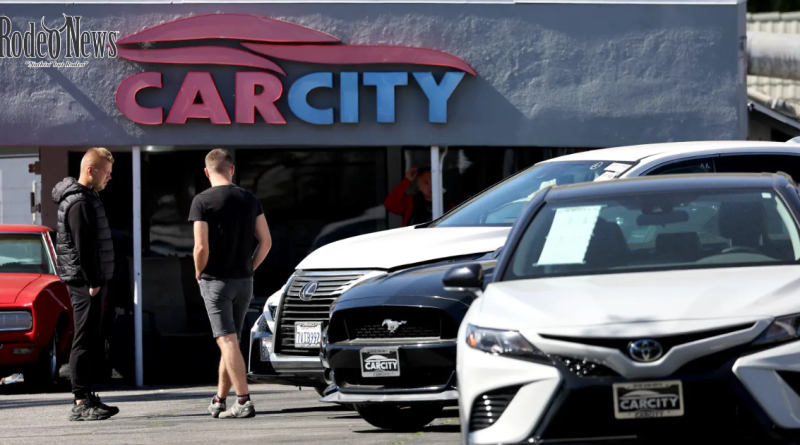
Used Car Prices Surge as Gas Costs Hit Drivers
Used car prices are rising again across the United States as consumers struggle with soaring fuel costs and limited vehicle inventory. Industry analysts say the latest spike in gas prices is pushing more buyers into the used vehicle market, especially shoppers searching for affordable and fuel-efficient transportation options.
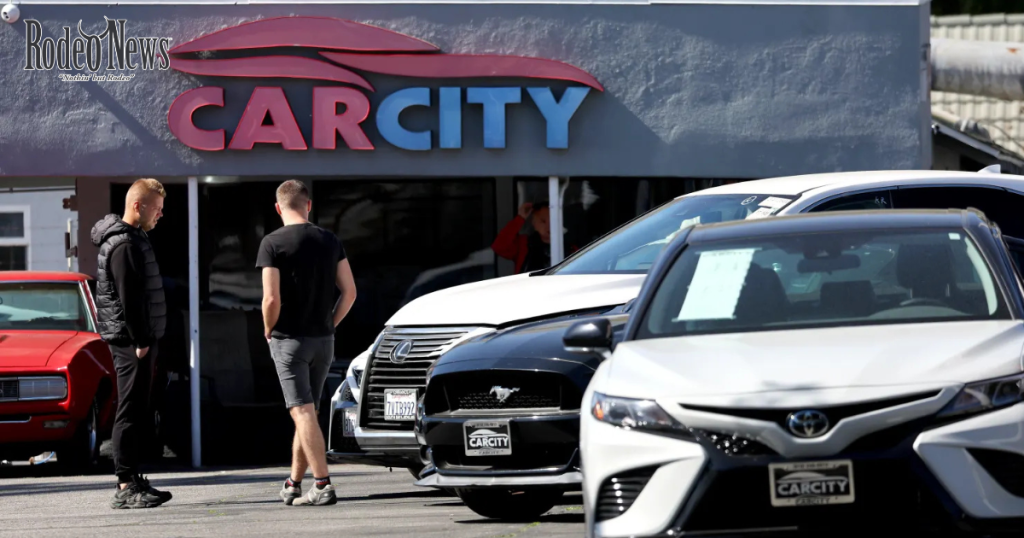
The renewed increase in used car prices marks another challenge for American households already dealing with inflation and higher living expenses. Experts believe the trend could continue throughout 2026 if fuel prices remain elevated and supply shortages persist.
Used Car Prices Reach Highest Levels Since 2023
According to automotive industry data from Cox Automotive’s Manheim Used Vehicle Value Index, wholesale used vehicle prices recently climbed more than 6% compared with last year. Analysts say the index has now reached its highest level since the summer of 2023.
The increase reflects growing demand from consumers who are turning away from expensive new vehicles and looking for cheaper alternatives. Dealers across the country are also facing lower inventory levels, creating additional pressure on pricing.
Industry economists say the used vehicle market remains unusually tight despite economic uncertainty and geopolitical tensions affecting global oil markets. Supply constraints continue to limit the number of affordable vehicles available to buyers.
Meanwhile, many consumers are delaying new car purchases because average new vehicle prices remain historically high. As a result, demand has shifted heavily toward the used car segment.
Gas Prices Push Buyers Toward Smaller and Efficient Vehicles
One of the biggest drivers behind rising used car prices is the sharp increase in fuel costs. National gasoline prices recently climbed above $4.50 per gallon, the highest level since 2022. Some states, including California, have already crossed the $6-per-gallon mark.
Higher fuel costs are changing consumer behavior rapidly. Buyers are increasingly prioritizing fuel efficiency over vehicle size, performance, or luxury features.
Compact sedans, hybrid vehicles, and smaller crossover SUVs are seeing especially strong demand in the used market. Dealers say fuel-efficient models are selling faster than larger trucks and SUVs in many regions.
Automotive analysts believe this trend could intensify if oil market instability continues throughout the year. Ongoing geopolitical conflicts have disrupted global energy supplies, leading to persistent price volatility in fuel markets.
For families already struggling with household budgets, fuel economy has become a top purchasing factor.
Tight Inventory Continues to Hurt Affordability
Another major factor behind rising used car prices is limited inventory. Dealers are struggling to replenish stock because fewer vehicles are entering the resale market.
During the pandemic-era supply chain disruptions, automakers produced fewer new vehicles. That production slowdown continues to affect today’s used market because there are now fewer trade-ins and lease returns available.
Cox Automotive data shows used vehicle supply recently dropped below 40 days, marking one of the lowest inventory levels of 2026 so far.
Low inventory creates stronger competition among buyers, allowing dealerships to maintain higher prices. Analysts warn that affordability challenges may continue for several months unless vehicle production increases significantly.
Consumers searching for budget-friendly transportation are now facing limited options, especially in the lower price ranges.
Used EVs Become More Attractive
While traditional gasoline-powered used vehicles continue to rise in price, some buyers are turning toward used electric vehicles as an alternative.
Recent reports show used EV prices are becoming increasingly competitive compared with gasoline-powered vehicles. In some cases, used EVs are now selling for less than comparable gas-powered cars.
Experts say rising fuel prices are encouraging more drivers to consider electric transportation despite ongoing concerns about charging infrastructure and battery life.
Battery analytics firms also report that modern EV batteries maintain strong performance for years, helping improve consumer confidence in the used EV market.
As gas prices continue climbing, some analysts believe used EV demand could accelerate further during the second half of 2026.
Consumers Feel Financial Pressure
The increase in used car prices is creating additional financial strain for middle-income and lower-income households.
Economic researchers say higher gas prices disproportionately affect consumers with tighter budgets because transportation costs consume a larger percentage of their income.
Many drivers are now changing commuting habits, combining errands, reducing discretionary travel, or delaying vacations to offset rising fuel expenses.
At the same time, higher used vehicle prices are making it harder for first-time buyers and low-income families to access reliable transportation.
Auto financing costs also remain elevated because interest rates are still relatively high. Combined with rising vehicle prices, monthly car payments are becoming increasingly difficult for many consumers to manage.
Auto Dealers See Strong Demand
Despite affordability concerns, dealerships continue reporting strong demand for used vehicles.
Many consumers still prefer buying used vehicles because new cars remain expensive and difficult to obtain in some markets. Dealers say affordable vehicles under certain price thresholds are selling particularly quickly.
Industry experts believe demand may remain strong throughout the summer travel season as consumers prioritize transportation flexibility amid economic uncertainty.
Some dealerships are also seeing increased interest in certified pre-owned vehicles because buyers want warranty protection while avoiding the higher costs associated with brand-new models.
Retail pricing trends often follow wholesale auction data with a delay, meaning consumers may continue seeing higher prices on dealer lots in the coming months.
What Happens Next for the Used Car Market?
Analysts remain divided on whether used car prices will stabilize later this year.
Some experts believe prices could ease if oil markets calm down and fuel costs decline. Others argue that persistent supply shortages may continue supporting elevated vehicle prices through the end of 2026.
The future direction of the used car market will likely depend on several factors, including fuel prices, interest rates, vehicle production levels, and overall consumer confidence.
If gasoline prices remain elevated, demand for smaller and fuel-efficient used vehicles could continue strengthening. At the same time, the growing popularity of used electric vehicles may slowly reshape buyer preferences in the broader automotive market.
For now, consumers searching for affordable transportation options are facing one of the most competitive used vehicle markets seen in recent years.
Rising Fuel Costs Reshape Consumer Priorities
The broader economic impact of rising fuel prices extends beyond the auto industry. Transportation expenses affect nearly every sector of the economy, influencing household budgets, travel patterns, and consumer spending habits.
As Americans adapt to higher operating costs, affordability is becoming the dominant factor in vehicle purchasing decisions. Shoppers are increasingly focused on long-term ownership expenses rather than just sticker prices.
That shift is reshaping the U.S. auto market in real time.
Industry analysts say the combination of rising gas prices, limited inventory, and economic uncertainty could permanently alter consumer preferences toward smaller, more efficient vehicles in the years ahead.
For millions of drivers, the search for affordable transportation is no longer just about convenience — it has become a financial necessity.