Armenia Russia Ukraine Relations Enter New Phase After Pashinyan Remarks
Armenia Russia Ukraine relations entered a new and uncertain phase this week after Armenian Prime Minister Nikol Pashinyan publicly declared that Armenia is not an ally of Russia regarding the war in Ukraine. The statement marked one of the clearest signs yet that Yerevan is distancing itself from Moscow amid growing geopolitical tensions in Eastern Europe and the South Caucasus.
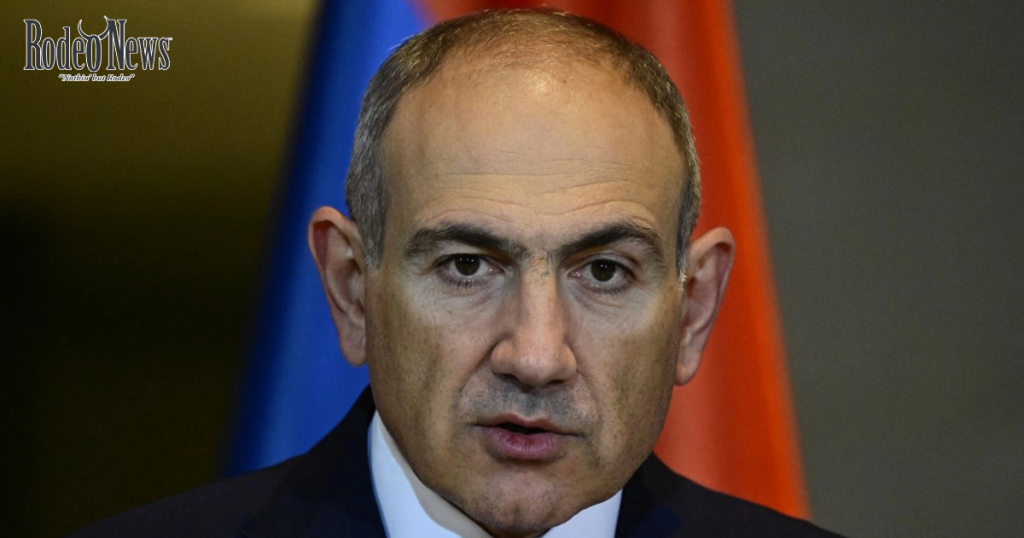
The comments came during a government briefing following criticism linked to Ukrainian President Volodymyr Zelensky’s recent visit to Armenia for the European Political Community summit. During the briefing, Pashinyan emphasized that Armenia maintains an independent foreign policy and does not share Russia’s position on the war in Ukraine.
According to reports from Kyiv Post, Pashinyan also highlighted Armenia’s humanitarian support for Ukraine, reinforcing the government’s effort to show neutrality and independence in international affairs.
Why Armenia Russia Ukraine Relations Are Changing
The shift in Armenia Russia Ukraine relations did not happen overnight. For decades, Armenia depended heavily on Russia for military protection, economic cooperation, and regional security support. Armenia also remained a member of the Russia-led Collective Security Treaty Organization, commonly known as the CSTO.
However, relations between Moscow and Yerevan have deteriorated significantly since the Nagorno-Karabakh conflict intensified in recent years. Armenian officials increasingly accused Russia of failing to adequately support Armenia during clashes with neighboring Azerbaijan.
The situation worsened after Azerbaijan regained control over Nagorno-Karabakh, a disputed territory that had long been a source of regional conflict. Many Armenians believed Moscow failed to fulfill its traditional role as Armenia’s primary security partner.
As a result, Armenia began exploring stronger ties with Western nations and European institutions. Pashinyan’s latest comments now suggest that this strategic realignment is accelerating.
Pashinyan Signals Independent Foreign Policy
During the government briefing, Pashinyan stressed that Armenia’s foreign policy decisions are guided by national interests rather than loyalty to Moscow.
The Armenian leader also referenced the Alma-Ata Declaration as a key framework for Armenia’s regional peace strategy. The declaration, signed after the collapse of the Soviet Union, recognizes the territorial integrity of former Soviet republics.
Political analysts believe this reference was important because it reinforces Armenia’s willingness to pursue diplomatic solutions independently of Russian influence.
Pashinyan’s remarks reflect a broader effort by Armenia to reposition itself on the international stage. Instead of acting solely within Russia’s geopolitical orbit, Armenia appears increasingly interested in balancing relations with Europe, Ukraine, and other Western partners.
Zelensky’s Armenia Visit Sparked Debate
President Zelensky’s visit to Armenia earlier this week became a major political flashpoint. The Ukrainian leader attended the European Political Community summit in Yerevan, where European officials discussed security, diplomacy, and regional cooperation.
While the visit was welcomed by some Armenian political groups, it also triggered criticism from pro-Russian voices who argued that hosting Zelensky could damage Armenia’s relationship with Moscow.
The Kremlin has closely monitored Armenia’s recent diplomatic activities. Russia remains sensitive to any signs that former Soviet allies may be moving closer to Western institutions.
Nevertheless, Armenia’s leadership appears increasingly comfortable pursuing a more balanced diplomatic strategy despite potential backlash from Moscow.
Armenia Freezes Participation in CSTO
One of the strongest indicators of deteriorating Armenia Russia Ukraine relations came in February 2024, when Armenia froze its participation in the CSTO.
The military alliance, dominated by Russia, includes several former Soviet states. For years, Armenia relied on the organization as a key part of its national defense strategy.
However, Armenian officials expressed frustration after the alliance failed to intervene more forcefully during security crises involving Azerbaijan.
By suspending participation, Armenia sent a clear message that it no longer fully trusts Russia-led security mechanisms.
Security experts say the move represented a historic turning point in post-Soviet regional politics. It also signaled that Russia’s influence in the South Caucasus may be weakening.
Armenia Deepens Ties With Europe
As Armenia gradually distances itself from Moscow, European nations are increasing diplomatic engagement with Yerevan.
The European Political Community summit hosted in Armenia highlighted Europe’s growing interest in the region. European leaders have encouraged peace negotiations between Armenia and Azerbaijan while also supporting democratic reforms inside Armenia.
Western governments view Armenia as a potentially important partner in the South Caucasus, especially as geopolitical competition with Russia intensifies.
At the same time, Armenia must carefully manage this transition. Russia still maintains military and economic influence in the country, and any sudden break with Moscow could create political or economic instability.
Therefore, analysts expect Armenia to continue pursuing a cautious balancing strategy rather than an immediate geopolitical shift toward the West.
Ukraine War Reshapes Regional Alliances
The war in Ukraine has transformed political alliances across the former Soviet sphere. Countries that once maintained close ties with Moscow are now reassessing their security and diplomatic priorities.
Armenia’s evolving position reflects this broader regional trend.
Since Russia launched its full-scale invasion of Ukraine, many governments have attempted to reduce dependence on Moscow while strengthening ties with Europe and other international partners.
Pashinyan’s comments indicate that Armenia increasingly sees its future as tied to diversified international relationships rather than exclusive reliance on Russia.
Meanwhile, Ukraine continues seeking diplomatic support from countries across Eastern Europe and the Caucasus. Zelensky’s visit to Armenia demonstrated Kyiv’s effort to strengthen regional partnerships despite ongoing war conditions.
International Criminal Court Issue Increased Tensions
Another major source of tension in Armenia Russia Ukraine relations emerged when Armenia ratified the Rome Statute in October 2023.
The Rome Statute established the International Criminal Court, or ICC. The court previously issued an arrest warrant for Russian President Vladimir Putin related to Russia’s actions in Ukraine.
Russia strongly opposed Armenia’s decision to ratify the treaty. Moscow viewed the move as politically hostile and inconsistent with traditional alliance relations.
Although Armenian officials insisted the decision was based on legal and institutional priorities, it further strained diplomatic ties between the two countries.
The ICC issue also demonstrated Armenia’s willingness to pursue policies that conflict directly with Russian interests.
Azerbaijan Peace Talks Remain Critical
Despite the geopolitical tensions involving Russia and Ukraine, Armenia’s leadership continues prioritizing peace negotiations with Azerbaijan.
Pashinyan reiterated that Armenia’s foreign policy remains focused on securing long-term regional stability.
Peace talks between Armenia and Azerbaijan remain fragile following years of conflict over Nagorno-Karabakh. International mediators, including European officials, continue encouraging diplomatic progress.
Analysts say Armenia’s distancing from Moscow may partly reflect frustration with Russia’s handling of the conflict. Armenian leaders increasingly believe diversified international partnerships could provide stronger diplomatic support for future peace efforts.
However, the path toward lasting regional peace remains uncertain.
Global Attention on Armenia’s Strategic Direction
The latest developments in Armenia Russia Ukraine relations are attracting growing international attention because they could reshape geopolitical dynamics across the South Caucasus.
For decades, Russia maintained dominant influence in the region. Armenia’s recent actions now raise questions about whether that dominance is beginning to weaken.
At the same time, Armenia faces a difficult balancing act. The country must navigate complex relationships with Russia, Europe, Ukraine, Azerbaijan, and neighboring regional powers.
Pashinyan’s statement that Armenia is not Russia’s ally on Ukraine may become one of the defining geopolitical moments of 2026. It signals not only a diplomatic shift but also a broader transformation in Armenia’s long-term foreign policy vision.
As the war in Ukraine continues and regional alliances evolve, Armenia’s next steps will likely remain closely watched by governments around the world.