Oudong: Journey to Cambodia’s Forgotten Royal Capital
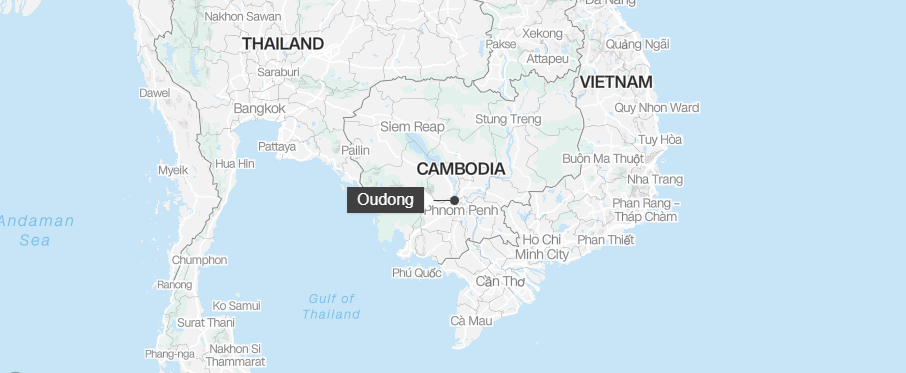
PSADEK, Cambodia – Just 35 kilometers north of the modern metropolis of Phnom Penh lies Oudong, a site of profound historical and spiritual significance that once served as Cambodia’s royal capital for over two centuries. Despite its monumental past, this hilltop complex, dotted with ornate stupas and sacred artifacts, remains a serene, underappreciated destination for international visitors.
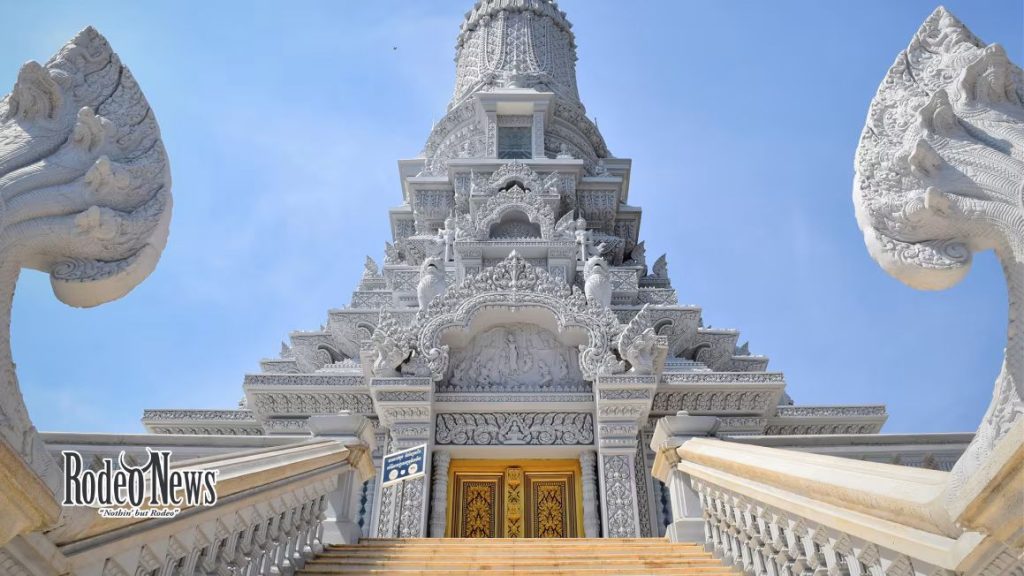
The name Oudong, derived from the Sanskrit word uttunga meaning “supreme” or “tall,” speaks to its stature as the nation’s seat of power from 1618 until the mid-1860s. Today, it is officially marked on maps as Phnom Oudong—the Oudong Hill—a spiritual sanctuary that holds the remains and relics of ancient Cambodian kings.
A City of the Dead, Rich with Life
While the capital officially moved to Phnom Penh 150 years ago, Oudong’s deep significance to the Cambodian royal family and the local Buddhist community persists. The complex is an arresting spectacle of color and history, housing a total of 16 intricate stupas, each a solemn tomb for past monarchs.
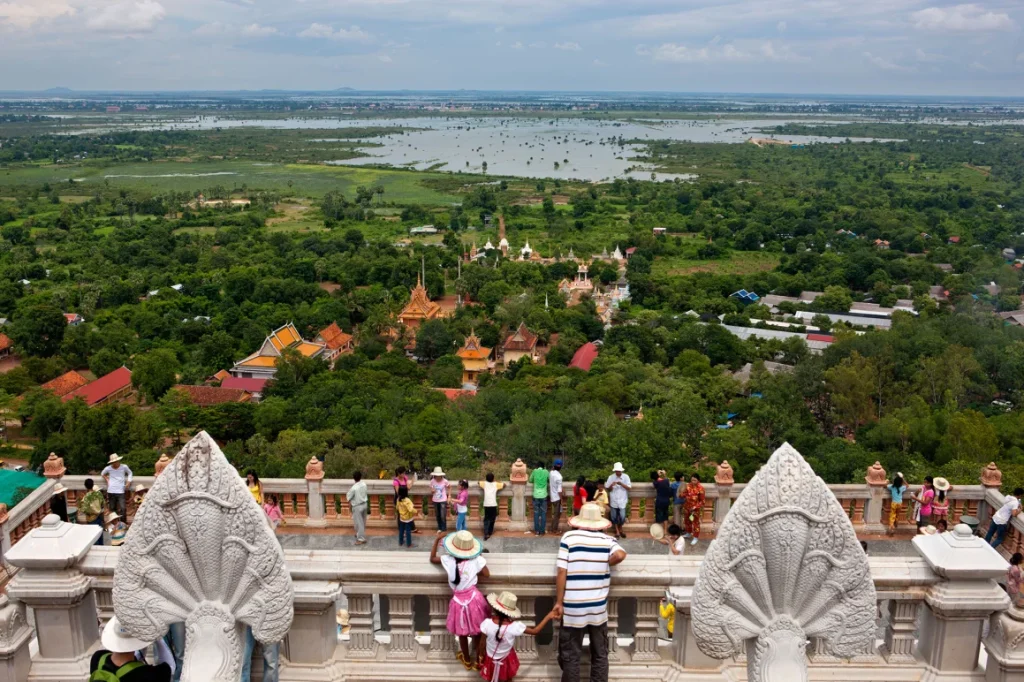
The ascent to the summit—a climb of over 500 steps—is an immersive experience. Buddhist prayer flags flutter between the trees, illuminating the path for visitors. Locals are often seen leaving offerings of fruit and flowers, while orange-robed monks weave through the verdant rice paddies below on their way to the hillside temples. During its golden age, Oudong was known reverently as a “city of a thousand monasteries.”
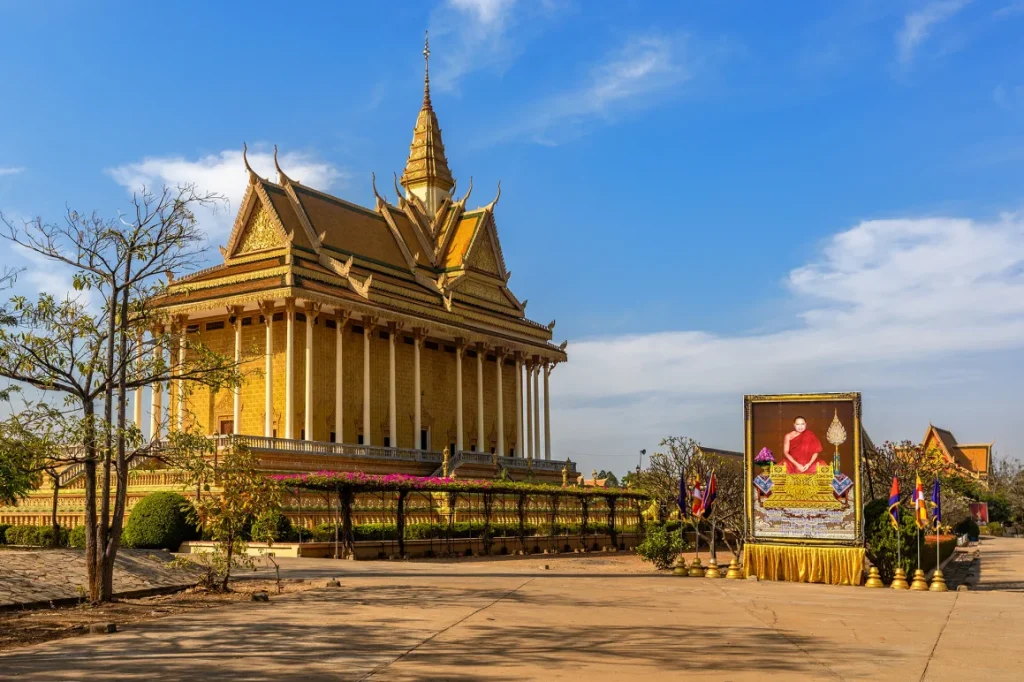
At the 93-meter-high summit, one of the most magnificent structures stands: a temple that appears to be fashioned from bright silver lace. Its walls are adorned with detailed carvings of elephants, symbolizing strength and longevity, guarding a magnificent golden Buddha within. Nearby, a stone pagoda is crowned by a striking pillar featuring four Buddha faces, each oriented toward a cardinal direction. These ethereal faces, peeking out from behind the tall trees, lend the site an otherworldly and deeply spiritual atmosphere, especially on hazy mornings.
The Overlooked Historical Bridge
Despite its accessibility—an easy day trip from Phnom Penh—Oudong remains largely unknown to the international tourist circuit. Many travelers, according to veteran tour guides like Nao Sok, often bypass the historical site, rushing instead toward the globally recognized grandeur of Angkor Wat or to other countries in Southeast Asia.
However, Oudong offers a crucial bridge between Cambodia’s ancient and modern worlds. It fills a key historical gap, linking the era of the great Angkorian empire to the modern bustle of the current capital. While Angkor Wat demands days to explore, Oudong can be meaningfully visited in a few hours. Crucially, unlike the preserved ruins of Angkor, Oudong is a living site, where new religious structures continue to be built alongside the ancient royal tombs.
The scarcity of surviving post-Angkorian sites makes Oudong even more vital. As Grégory Mikaelian of the French Centre National de la Recherche Scientifique explains, the palaces of this era were primarily constructed of wood, leaving few physical traces behind.
The Scars of Conflict and the Promise of the Future
Oudong’s later history is inextricably linked to the upheavals of the 20th century. The capital was relocated by King Norodom when Cambodia became a French protectorate. Decades later, the civil war associated with the Vietnam War left much of the country scarred.
For the inquisitive visitor, the site offers more than just regal history. Tucked among the ornate pagodas is a smaller, often overlooked memorial to the victims of the Khmer Rouge—the brutal regime that claimed an estimated 1.7 million lives in the late 1970s. It serves as a stark, necessary reminder of Cambodia’s dark, more recent past, a solemn place that, according to long-term Phnom Penh residents like writer Marissa Carruthers, “should be visited out of respect.”
While restoration efforts are slow, partly due to the complex nature of the site—which includes not just the hill but also the ruins of old palaces and the citadel of Longvek—Cambodia nominated Oudong to UNESCO’s World Heritage committee in 2020. With the government heavily investing in tourism infrastructure, including the recent opening of a massive new international airport, there is optimism that Oudong’s global recognition will soon grow.
Practicalities for the Pilgrim
Visiting Oudong is an authentic, pared-down experience. There are no maps, few signs, and cell service is often spotty. The absence of souvenir stands and vending machines ensures a genuine encounter with local life. Entry is free.
Tour guide Nao Sok recommends an early morning or late evening visit, not only to avoid the notorious heat but also to witness the spectacular sunrise over the complex, offering stunning views of the surrounding countryside. A full-day experience can be built by including a visit to the nearby Cambodia Buddhist Vipassana Center for a meditation experience, a stop at Oudong’s local market, and a meal at a homestay or local restaurant.
Visitors must adhere to respectful dress codes: shoulders and knees must be covered before entering temples or the meditation center. A trip to Oudong offers a unique chance to mingle with locals and gain an authentic glimpse into Cambodia’s deep, layered history—all without the overwhelming crowds of its more famous counterpart.