Earl Spencer Claims King Charles Said Princess Diana Would Be Forgotten Soon
Nearly three decades after the death of Princess Diana, a new memoir by her younger brother, Charles Spencer, has reopened painful questions about the relationship between Diana and the British royal family.
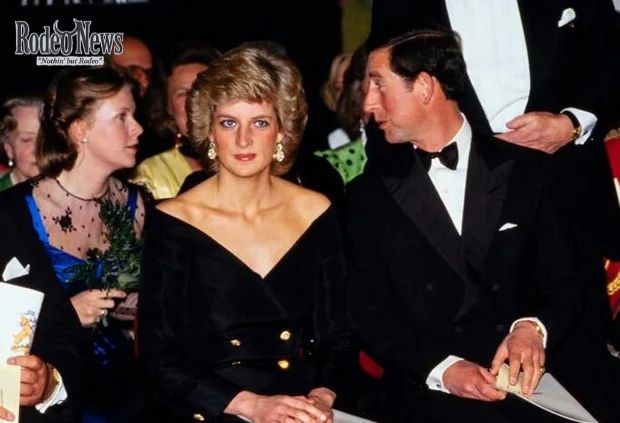
Spencer alleges that King Charles III, who was then Prince Charles, made a striking comment about Diana just days after her death in 1997. According to Spencer’s forthcoming book, Swan Song: Diana, My Sister, the future king told him during a heated disagreement over Diana’s funeral arrangements: “Rest assured, we’ll forget her soon enough.”
The claim is included in Spencer’s account of the tense period immediately following Diana’s death in a car crash in Paris. The princess died on Aug. 31, 1997, and her funeral became one of the most watched and emotionally charged royal events in modern British history.
Buckingham Palace has disputed the reliability of Spencer’s recollection, saying that grief can affect a person’s judgment and memory. The palace’s response adds a new layer to a long-running story that has continued to shape public perceptions of the royal family.
Dispute Over Diana’s Funeral
According to excerpts from Spencer’s memoir, one of the major disagreements concerned whether Diana’s two young sons should walk behind their mother’s coffin during the funeral procession.
At the time, Prince William was 15 and Prince Harry was 12. Spencer writes that he strongly opposed the idea, believing Diana would not have wanted her children to participate in such a public and emotionally difficult procession.
The disagreement reportedly became particularly intense after Spencer learned that senior royal officials intended for the boys to walk alongside other members of the family.
Spencer says he objected to the plan and was subsequently contacted by Prince Charles. During the argument that followed, he claims Charles defended the decision and questioned Spencer’s opposition.
It was during this confrontation, Spencer alleges, that Charles made the remark about Diana eventually being forgotten.
William and Harry ultimately did walk behind their mother’s coffin. The image of the two boys following Diana’s coffin through central London became one of the defining photographs of the funeral and remains one of the most recognizable images associated with her death.
Spencer’s Account of Charles and Diana
In his memoir, Spencer goes beyond the alleged comment and describes what he believes was a deeper hostility toward Diana.
He argues that the words attributed to Charles reflected what he characterizes as longstanding contempt for Diana and discomfort with the extraordinary public response to her death.
That interpretation is Spencer’s own account of events. Buckingham Palace has not accepted his characterization.
The palace issued an unusually pointed response after details from the memoir began appearing publicly. Rather than directly calling Spencer’s account false, the palace said the king was aware that the pain associated with the loss of a close relative can affect how events are remembered.
The statement said grief can “cloud reason, affect judgement and colour memory,” a response that effectively challenges the accuracy of Spencer’s recollections without directly addressing every allegation in the book.
Diana’s Death and the Royal Family
Diana’s death triggered an extraordinary wave of mourning across Britain and around the world.
Millions of people gathered in London and elsewhere to pay tribute to the princess. Flowers were left outside royal residences, while television coverage of her death and funeral reached audiences across the globe.
The scale of the public reaction also created an unprecedented challenge for the monarchy.
The royal family’s initial response was criticized by sections of the British public who felt that the institution appeared too distant during a moment of national grief. Diana had remained an immensely popular figure after her divorce from Charles, and her death intensified public scrutiny of the royal household.
The funeral procession became a defining moment in that crisis. William and Harry’s presence behind their mother’s coffin drew particular attention because of their ages and the emotional circumstances.
Nearly 30 years later, those images continue to influence how the public remembers Diana and her sons.
A New Chapter in an Old Royal Dispute
Spencer’s memoir arrives at a time when public interest in Diana’s life and legacy remains strong.
Her relationship with Charles, the breakdown of their marriage, her charitable work and her complicated position within the royal family have been examined in countless books, documentaries and television productions.
The new claims nevertheless have particular significance because they come directly from Diana’s brother and concern a private conversation allegedly held shortly before her funeral.
Spencer told CBS News that he felt it was his responsibility to present what he considers the true story of his sister in one book. He is also expected to discuss the memoir and its claims in a television interview surrounding its publication.
The book’s publication is likely to renew debate over events that occurred in the days between Diana’s death and funeral.
Palace Faces Renewed Questions
For King Charles, the allegations reopen an extraordinarily sensitive chapter in his family’s history.
Charles became king in 2022 following the death of Queen Elizabeth II. His reign has continued to be shaped, in part, by the public history surrounding his first marriage to Diana and the later lives of their sons, William and Harry.
The latest controversy also comes as the royal family faces other significant public attention, including Harry and Meghan’s continuing relationship with the institution and the health challenges affecting members of the family.
Royal commentators have described the palace’s response to Spencer’s allegations as notable because Buckingham Palace rarely comments so directly on claims contained in books about private royal matters.
Whether Spencer’s recollection changes public understanding of the events surrounding Diana’s funeral remains uncertain. The central allegation is based on his personal account of a private conversation almost 30 years ago, while the palace has questioned the reliability of memories shaped by grief.
What is clear is that Diana’s death remains deeply embedded in the history of the British monarchy. Her funeral, her sons’ grief and the public reaction to her death continue to attract intense interest.
Spencer’s memoir now offers another account of those extraordinary days, while also demonstrating how unresolved questions surrounding Diana’s relationship with the royal family continue to resurface decades after her death.