HPV Vaccine Revealed: 46% Cancer Risk Drop in Men
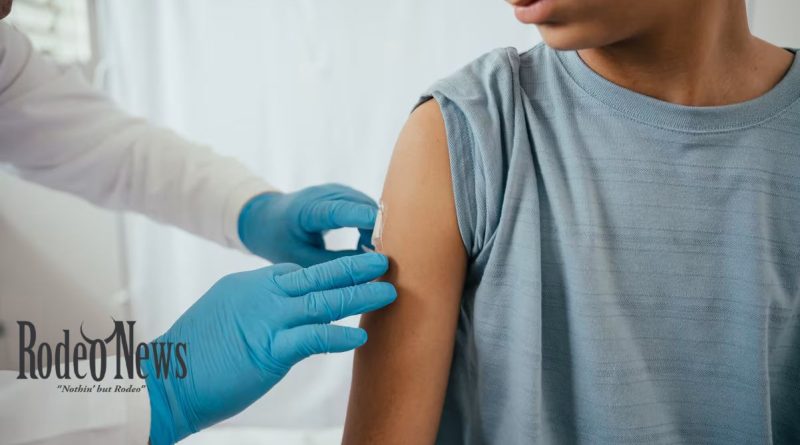
The HPV vaccine for men is gaining urgent attention after a major global study revealed it can reduce cancer risk by nearly half. Long viewed as a vaccine primarily for women, new evidence shows that boys and men may benefit just as significantly—if not more in certain cases.
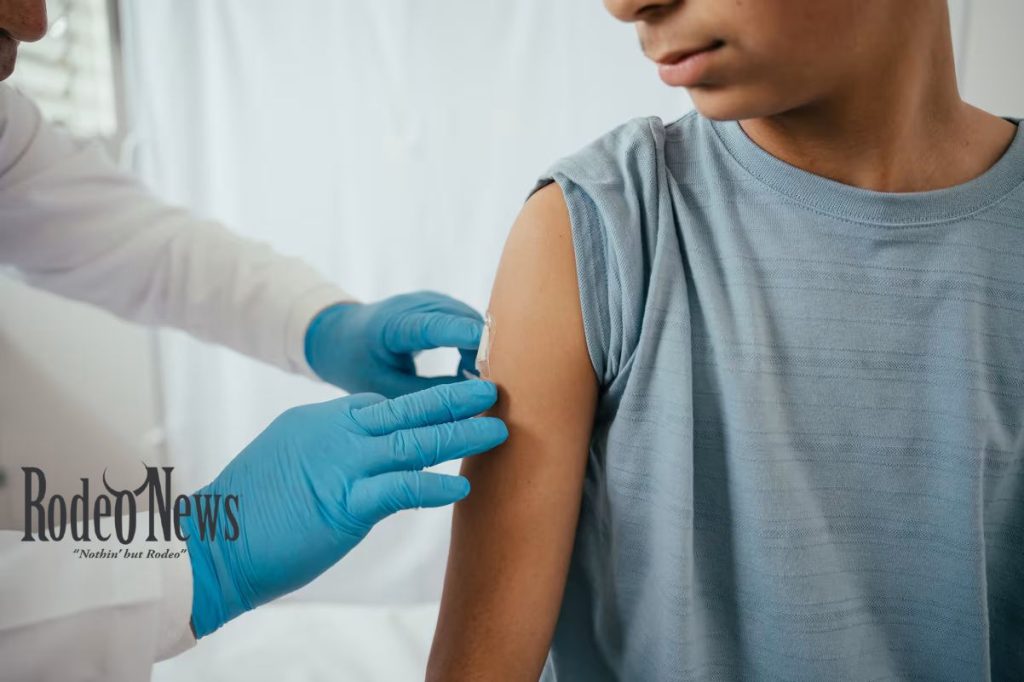
A large-scale study published in JAMA Oncology found that males who received the human papillomavirus (HPV) vaccine had about a 46% lower risk of developing HPV-related cancers compared to those who were not vaccinated.
This finding marks a critical shift in how health experts view HPV prevention and raises an important question: why aren’t more boys and men getting vaccinated?
What Is HPV and Why It Matters for Men
Human papillomavirus (HPV) is one of the most common viruses worldwide. It spreads primarily through intimate skin-to-skin contact, and most sexually active individuals will contract it at some point in their lives.
While many HPV infections resolve on their own, some persist and can lead to serious health conditions—including cancer.
In men, HPV is strongly linked to several dangerous cancers:
- Oropharyngeal (throat) cancer – about 70% linked to HPV
- Anal cancer – over 90% caused by HPV
- Penile cancer – more than 60% associated with HPV
Unlike cervical cancer in women—which can be detected early through screening—there are no standard screening tests for these cancers in men. That makes prevention through vaccination especially important.
Groundbreaking Study: HPV Vaccine Cuts Cancer Risk
The recent study analyzed data from more than 615,000 vaccinated males aged 9 to 26 and compared them with over 2 million unvaccinated individuals.
The results were striking:
- Overall cancer risk reduced by 46%
- Vaccination at ages 9–14 reduced risk by 42%
- Vaccination at ages 15–26 reduced risk by 50%
These findings confirm that the HPV vaccine is not just effective—it is one of the most powerful cancer-prevention tools currently available for men.
Health experts emphasize that this is not just about infection prevention. It is about stopping cancer before it starts.
Why the HPV Vaccine Was Focused on Women
For years, public health campaigns primarily targeted girls and women because HPV is the leading cause of cervical cancer. Globally, cervical cancer remains one of the most common cancers among women, driving early vaccination programs.
However, this narrow focus created a widespread misconception: that HPV is mainly a women’s health issue.
In reality, HPV affects both genders significantly. As more data has emerged, health authorities have expanded recommendations to include boys—but public awareness has lagged behind.
The Hidden Risk: HPV-Related Cancers in Men
One of the biggest concerns is that HPV-related cancers in men are often detected late.
Unlike cervical cancer, which benefits from routine screening programs, cancers like throat or penile cancer may not show symptoms until they are advanced. This delay can make treatment more difficult and reduce survival rates.
Additionally, HPV-related throat cancer has been rising in many countries, particularly among men. Experts say this trend underscores the need for broader vaccination coverage.
When Should Boys and Men Get the HPV Vaccine?
Health authorities recommend that boys receive the HPV vaccine at an early age—ideally before exposure to the virus.
Typical guidelines include:
- Ages 9–14: Two-dose schedule
- Ages 15–26: Three-dose schedule
- Adults up to age 45 may also benefit in certain cases
Vaccinating early provides the strongest protection because it prevents infection before any exposure occurs.
Why Vaccination Rates in Men Remain Low
Despite strong scientific evidence, HPV vaccination rates among boys and men remain lower than expected.
Several factors contribute to this:
- Lack of awareness about HPV risks in men
- Misconception that the vaccine is only for women
- Vaccine hesitancy and misinformation
- Limited discussions between doctors and patients
Public health experts warn that these gaps could lead to preventable cancer cases in the future.
The Bigger Picture: Preventing Cancer Before It Starts
The HPV vaccine represents a major shift in modern medicine—from treating disease to preventing it entirely.
Research shows the vaccine is highly effective not only in reducing infections but also in preventing precancerous conditions and multiple cancer types.
In countries with strong vaccination programs, rates of HPV-related diseases have already begun to decline.
Expanding vaccination to include boys and men could accelerate this trend and significantly reduce the global cancer burden.
Expert Insight: Why This Matters Now
Medical experts stress that the latest findings should serve as a wake-up call.
HPV is extremely common, and exposure often occurs shortly after individuals become sexually active.
Because of this, waiting until adulthood to vaccinate may reduce effectiveness. Early vaccination remains the best strategy.
The new evidence also highlights an important reality: preventing HPV in men not only protects them but also helps reduce transmission overall, benefiting entire communities.
Addressing Myths and Misconceptions
Despite its proven benefits, the HPV vaccine has been the subject of misinformation.
Common myths include concerns about safety or the belief that vaccination encourages risky behavior. However, extensive research has shown the vaccine is safe and does not influence sexual activity.
Health experts emphasize that the focus should remain on its primary benefit: preventing cancer.
What Parents and Young Men Should Know
For parents, the decision to vaccinate their children can have lifelong implications.
Key points to consider:
- HPV is extremely common and often unavoidable
- The vaccine significantly reduces cancer risk
- Early vaccination provides the strongest protection
- It protects both individuals and public health
For young men, getting vaccinated is a proactive step toward long-term health.
A Turning Point in Public Health
The narrative around HPV is changing rapidly. What was once seen as a women-focused vaccine is now recognized as a critical tool for everyone.
The latest research reinforces a simple but powerful message:
The HPV vaccine for men can save lives.
With cancer prevention at stake, experts say increasing awareness and vaccination rates should be a global priority.