Porsche Exit Bugatti Rimac: A Turning Point for the Hypercar World
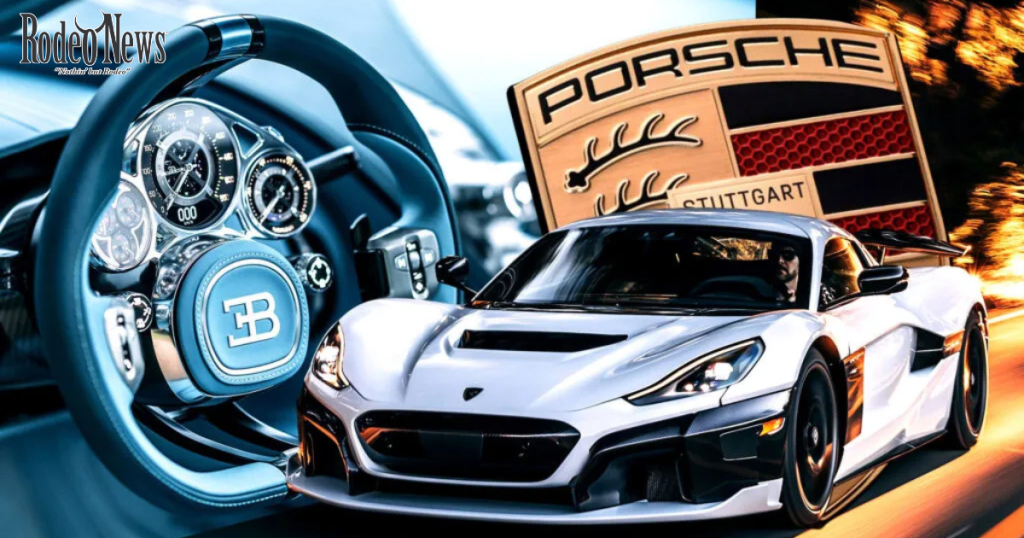
The Porsche Exit Bugatti Rimac deal marks one of the most dramatic shifts in the modern automotive industry. After years of collaboration, Porsche has officially decided to sell its entire stake in Bugatti Rimac and Rimac Group, signaling a major strategic pivot driven by financial pressure and changing priorities.
This move not only reshapes the future of Bugatti and Rimac but also reflects broader challenges facing legacy automakers in a rapidly evolving market.
Why Porsche Exit Bugatti Rimac Happened
The main reason behind the Porsche Exit Bugatti Rimac decision is simple: money.
Porsche experienced a staggering 93% drop in operating profits in 2025, a decline that forced the company to rethink its investments and long-term strategy.
Faced with shrinking margins and mounting pressure from its parent company Volkswagen Group, Porsche chose to focus on its core business rather than maintain stakes in external ventures.
In a statement, Porsche emphasized that selling its holdings allows the company to “focus on the core business,” which includes refining its product lineup and stabilizing profitability.
What Porsche Actually Sold
Under the deal, Porsche is exiting completely by selling:
- 45% stake in Bugatti Rimac
- 20.6% stake in Rimac Group
These stakes are being acquired by a consortium led by U.S.-based investment firm HOF Capital, alongside Abu Dhabi’s BlueFive Capital and other institutional investors.
Although the exact financial details have not been disclosed, the transaction is expected to close before the end of 2026, pending regulatory approval.
The Rise of Bugatti Rimac
To understand the significance of the Porsche Exit Bugatti Rimac, it’s important to revisit how this partnership began.
Bugatti Rimac was formed in 2021 as a joint venture between Porsche and Rimac Group. The structure gave:
- Rimac Group: 55% ownership
- Porsche: 45% ownership
The goal was clear:
- Give Bugatti a future beyond its legendary W16 engine
- Leverage Rimac’s cutting-edge electric technology
- Allow Porsche to benefit from advanced EV innovation
At the time, the partnership was seen as a perfect blend of heritage and innovation.
Mate Rimac Gains Control
With Porsche stepping away, Croatian entrepreneur Mate Rimac is now positioned to take greater control of the company he built.
Rimac Group is expected to assume full control of Bugatti Rimac, supported by new investors.
This marks a remarkable milestone for Rimac, who started his journey by modifying old cars in a garage and has now risen to lead one of the most prestigious automotive brands in the world.
The new ownership structure is expected to:
- Accelerate innovation
- Strengthen investment in EV technology
- Enable faster decision-making
What This Means for Bugatti
The Porsche Exit Bugatti Rimac deal could redefine Bugatti’s future.
For decades, Bugatti was shaped by Volkswagen Group, which acquired the brand in 1998 and turned it into a symbol of extreme performance and engineering excellence.
Now, with Porsche out, Bugatti enters a new era:
1. Electrification Will Accelerate
Rimac is known for its high-performance electric vehicles and battery technology. This suggests Bugatti’s future models will lean heavily toward electrification and hybrid systems.
2. Greater Independence
Without Porsche’s influence, Bugatti will have more freedom to innovate and redefine its identity.
3. New Investment Power
The involvement of global investors brings fresh capital, potentially speeding up development of next-generation hypercars.
Impact on the Automotive Industry
The Porsche Exit Bugatti Rimac move is not just about one company—it reflects a broader shift in the automotive world.
Traditional Automakers Are Under Pressure
Legacy brands like Porsche are facing:
- Slowing EV adoption
- High development costs
- Global economic uncertainty
As a result, companies are prioritizing efficiency and profitability over ambitious partnerships.
Rise of Tech-Driven Automakers
Rimac represents a new wave of manufacturers that combine:
- Software expertise
- Advanced battery technology
- Agile innovation
This shift suggests the future of performance cars may be led by technology-first companies rather than traditional automakers.
Porsche’s Strategy Moving Forward
The decision to exit Bugatti Rimac aligns with Porsche’s broader restructuring efforts.
Key elements of this strategy include:
1. Refocusing on Core Models
Porsche aims to strengthen its main lineup, including:
- 911
- Cayenne
- Macan
2. Adjusting EV Strategy
The company is reportedly rebalancing its electric vehicle plans, shifting back toward hybrids and combustion engines in the near term.
3. Cutting Costs and Improving Margins
By divesting non-core assets, Porsche can free up capital and streamline operations.
A Historic End to Volkswagen’s Bugatti Era
One of the most significant aspects of the Porsche Exit Bugatti Rimac deal is what it represents historically.
Volkswagen Group’s involvement with Bugatti began in 1998, shaping the brand into a hypercar powerhouse.
With Porsche’s exit, that era officially comes to an end.
This marks the first time in decades that Bugatti is no longer under Volkswagen influence—a symbolic shift in the automotive landscape.
Challenges Ahead for Rimac
While the future looks promising, Rimac also faces major challenges:
Scaling Production
Building hypercars at scale while maintaining quality is extremely difficult.
Managing a Luxury Legacy Brand
Bugatti carries immense prestige, and maintaining that reputation is critical.
Balancing Innovation and Profitability
Advanced EV technology is expensive, and turning innovation into profit remains a challenge.
Opportunities in the New Structure
Despite these challenges, the new ownership structure offers exciting opportunities:
- Faster innovation cycles
- Increased investment in R&D
- Expansion into new markets
- Development of next-generation electric hypercars
With full control, Rimac can now execute its vision without compromise.
What Comes Next
Looking ahead, the Porsche Exit Bugatti Rimac deal sets the stage for a new chapter in automotive history.
We can expect:
- Electrified Bugatti models
- Breakthrough battery technologies
- More collaborations with global investors
- A stronger focus on performance EVs
At the same time, Porsche will focus on stabilizing its business and adapting to a rapidly changing market.
Conclusion
The Porsche Exit Bugatti Rimac decision is more than just a business move—it’s a signal of transformation across the automotive industry.
Porsche is stepping back to focus on survival and profitability, while Rimac steps forward to lead innovation and redefine the future of hypercars.
As the dust settles, one thing is clear:
this deal could shape the next decade of performance automotive engineering.