Prince Andrew Arrested as Epstein Fallout Deepens Royal Crisis
The image will linger.
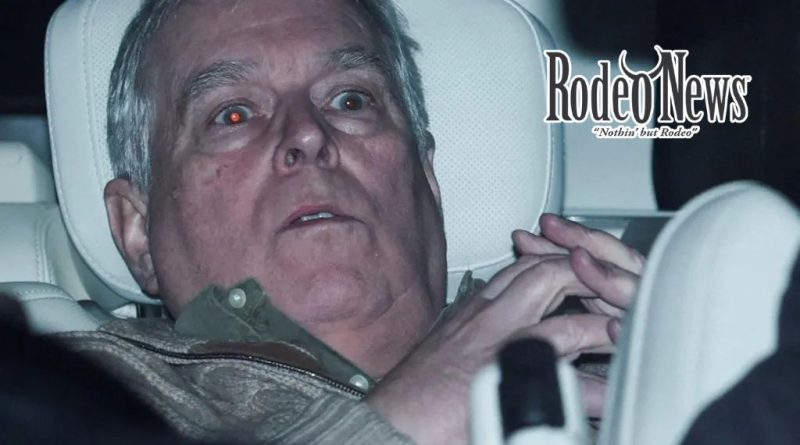
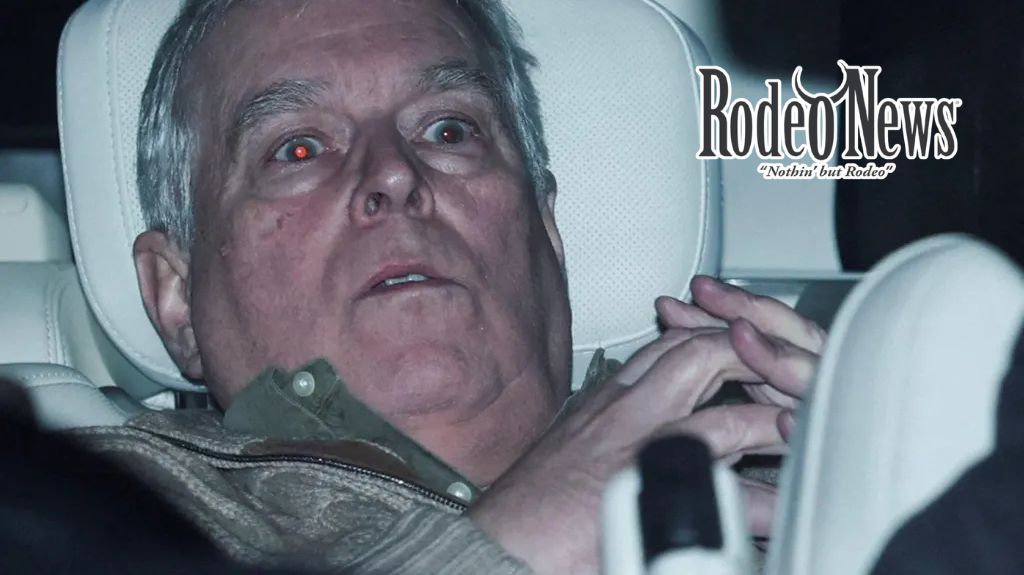
Slumped in the back seat of a car, collar turned up against the cold, fingers steepled as if in prayer — or perhaps self-protection — Prince Andrew looked less like a man of rank and more like a man confronting the full weight of consequence.
Shell-shocked. Disbelieving. Haunted.
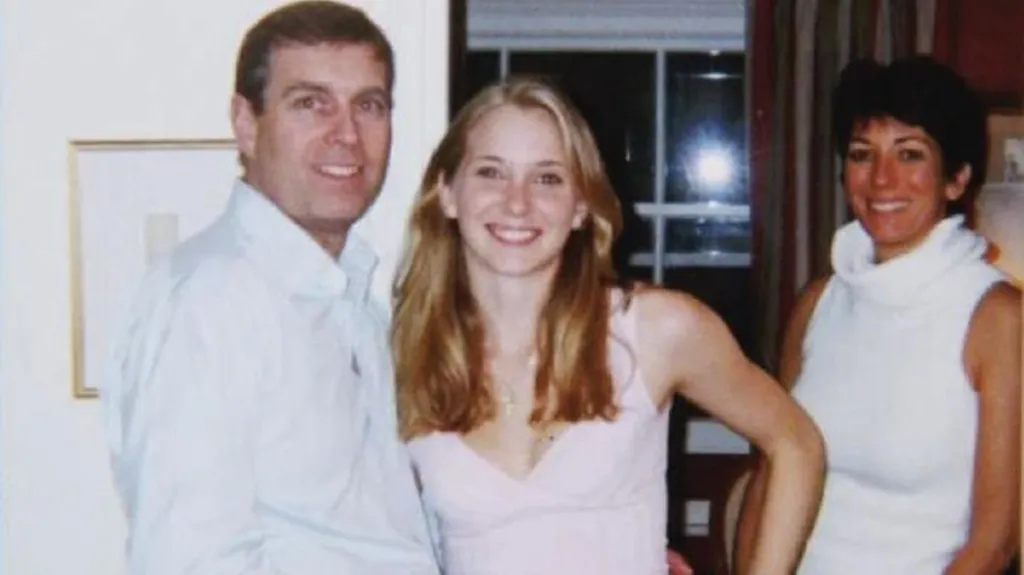
It is not a flattering portrait. And it is likely to become the defining image of his arrest — a stark counterpoint to that other photograph that has shadowed him for nearly 25 years: the smiling, confident prince standing beside a teenage Virginia Giuffre in a London townhouse, at a time when the capital was his playground and his royal status appeared untouchable.
On Thursday morning, Andrew Mountbatten-Windsor became the first senior member of Britain’s Royal Family in modern history to be arrested.
It was a moment few imagined would ever come.
“The Law Must Take Its Course”
The arrest, on suspicion of misconduct in public office, relates to Andrew’s time serving as the UK’s special representative for international trade and investment between 2001 and 2011.
Within hours, Buckingham Palace issued an extraordinary statement from his brother, King Charles III.
“Let me state clearly: the law must take its course,” the King said.
There was no ambiguity. No suggestion of royal insulation. No constitutional fog.
For a monarchy built on symbolism and continuity, the message was unmistakable: whatever happens next belongs to the courts, not the Crown.
Police confirmed in blunt terms that “the man remains in police custody at this time.” It was the kind of line typically reserved for career criminals — not a man still in the line of succession and, at least in theory, eligible to act as a counsellor of state.
Allegations Rooted in the Epstein Files
The arrest follows renewed scrutiny stemming from the so-called Epstein files — documents that have cast fresh light on the network surrounding the convicted sex offender Jeffrey Epstein.
Investigators are examining allegations that Andrew shared official documents during his tenure as trade envoy, including reports from overseas visits and a confidential briefing concerning investment in Afghanistan. Questions have also been raised about whether sensitive Treasury material was passed to private business contacts.
Andrew has consistently denied wrongdoing in his associations with Epstein. His previous public defense — most notably during his 2019 appearance on Newsnight — was widely viewed as disastrous, accelerating his fall from public life.
This time, any explanations will be delivered in the presence of lawyers and detectives, not television cameras. And the legal stakes are far higher.
A Downfall Decades in the Making
While the arrest was dramatic, Andrew’s decline has been gradual — an erosion of credibility that turned, eventually, into collapse.
His association with Epstein cost him his trade envoy role in 2011. The fallout from the Newsnight interview led to his removal as a working royal in 2019. In 2022, he reached a civil settlement with Virginia Giuffre without admitting liability.
Last year, further disclosures suggested Andrew’s ties to Epstein may have extended beyond what he had previously acknowledged. In response, he was stripped of his remaining royal titles and patronages and vacated his residence at Royal Lodge in Windsor.
Each sanction chipped away at his status. Thursday’s arrest obliterated what little remained.
A Palace on Edge
The development appeared to catch even senior royals off guard. The King’s swift statement suggested a determination to draw a firm line between the institution and the individual.
In recent months, public appearances by members of the Royal Family have occasionally been punctuated by hecklers accusing the Palace of shielding Andrew. The arrest may blunt those accusations — but it also deepens a crisis that has tested the monarchy’s credibility at home and abroad.
There is also a wider public mood at play.
The Epstein revelations have fueled anger at what many perceive as a culture of impunity among the wealthy and well-connected. For years, critics argued that power and privilege insulated certain figures from scrutiny. The sense that corruption paid — socially, financially, even criminally — has simmered beneath the surface.
In that context, Andrew’s arrest resonates far beyond royal intrigue.
A Birthday in Custody
That the arrest occurred on Andrew’s 66th birthday adds a final layer of symbolism.
Previous milestones were marked in gilded surroundings — including a lavish 50th birthday celebration at St James’s Palace. One notable absentee that evening was Jeffrey Epstein, then under house arrest in the United States following a conviction for procuring a minor for prostitution.
A year ago, Andrew still held the styles of Prince, Duke of York, Earl of Inverness and Knight of the Garter.
Now, the trajectory of his future — legal, personal, and historical — is uncertain.
What is certain is that the photograph of him in the back seat of that car will endure. A once-confident royal figure reduced to a solitary silhouette, bracing against the cold and perhaps against something colder still: accountability.
For a monarchy built on image, it may prove to be one of the most consequential images of all.