Republicans Call for FCC Probe Into Bad Bunny’s Super Bowl Halftime Show
House Republicans are calling for a federal investigation into Bad Bunny’s Super Bowl halftime performance, alleging the global music star’s show crossed legal and moral lines—even as broadcast footage shows explicit language was largely censored or never performed.
The demand, led by several GOP lawmakers, urges the Federal Communications Commission to review whether the National Football League, broadcaster NBC, and the artist himself violated federal broadcast standards during the February 8 halftime show, one of the most-watched television events in the United States.
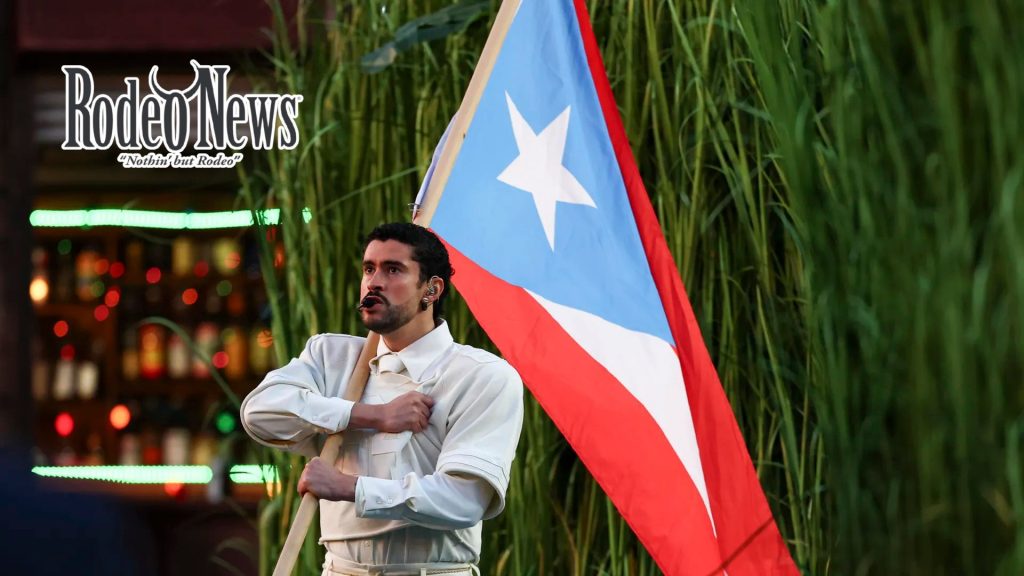
At the center of the controversy are claims that Bad Bunny delivered sexually explicit lyrics on live television. However, a closer review of the performance suggests that many of the lyrics cited by critics were either mistranslated, omitted, or censored during the broadcast.
Republicans Push for Regulatory Action
Florida Rep. Randy Fine announced Monday that he and other House Republicans are preparing a formal letter to the FCC requesting fines and potential broadcast license reviews.
In a post on X, Fine argued that English-language performances containing similar material would not have been allowed on air.
“Had he said these lyrics — and all of the other disgusting and pornographic filth in English on live TV, the broadcast would have been pulled down and the fines would have been enormous,” Fine wrote.
Fine’s comments echo broader concerns raised by conservative lawmakers who say the performance failed to meet decency standards for a family-oriented broadcast watched by millions of children.
Tennessee Rep. Andy Ogles separately sent a letter to the House Committee on Energy and Commerce requesting a formal inquiry into NBCUniversal and the NFL, focusing on what he described as the networks’ “prior knowledge, review, and approval” of allegedly indecent content.
Ogles claimed that viewers, including children, were “forced to endure” sexually suggestive choreography and lyrics that “openly glorified” sexual behavior.
What Was — and Wasn’t — Performed
While Bad Bunny is widely known for provocative lyrics in his recorded music, much of the language cited by critics did not make it onto the Super Bowl broadcast.
During the performance, Bad Bunny sang a portion of “Safarea,” a song that contains sexually explicit references in its original form. However, the most suggestive lyrics were bleeped or omitted during the live airing.
Contrary to claims circulating online, the artist did not use the “f-word” at any point during the halftime show.
The performance also included a brief homage to Daddy Yankee’s “Gasolina,” a reggaeton anthem often criticized for its euphemistic chorus. None of the explicitly suggestive lines from the song were performed during the broadcast.
Broadcast networks regularly employ audio delays and censorship mechanisms during live events such as the Super Bowl to comply with FCC standards on indecent content.
Cultural Context and Symbolism
Supporters of the performance argue that the criticism ignores the cultural themes woven throughout the show, which highlighted Puerto Rican identity, history, and artistic legacy.
Bad Bunny opened with “NUERVAYoL,” a tribute to El Gran Combo de Puerto Rico’s 1975 salsa classic “Un Verano en Nueva York,” a song that reflects the experience of Puerto Rican families traveling to New York City during the summer months. The homage referenced long-standing ties between the island and Puerto Rican communities in Spanish Harlem and Brooklyn.
Pop icon Ricky Martin appeared as a special guest, performing an acoustic rendition of Bad Bunny’s “Lo Que Le Pasó a Hawaii” — a song addressing the impact of over-tourism on Puerto Rico and the erosion of local culture.
The show also featured a real-life wedding ceremony and a moment in which Bad Bunny handed his recently won Grammy Award to a young boy, a gesture many interpreted as symbolizing opportunity, heritage, and passing success to the next generation.
Not a New Debate
The backlash follows a familiar pattern for Super Bowl halftime performances, which frequently spark debate over artistic expression and broadcast standards.
After Rihanna’s halftime show in 2023, the FCC received 103 formal complaints from viewers who criticized what they described as sexualized choreography and inappropriate content. The commission ultimately took no enforcement action.
FCC rules prohibit obscene content outright but allow limited discretion for indecent material, particularly when broadcasters take steps to censor language or restrict explicit visuals.
As of now, the FCC has not announced whether it will formally review the complaints related to Bad Bunny’s performance.
What Happens Next
Lawmakers pushing for an investigation say they want clarity on how halftime performances are reviewed and approved before airing live.
Neither the NFL nor NBCUniversal has publicly commented on the calls for regulatory scrutiny. Bad Bunny has also not responded directly to the criticism.
Whether the controversy results in formal action or fades into the long history of halftime show debates, it underscores the ongoing tension between cultural expression, broadcast regulation, and political scrutiny on one of television’s biggest stages.