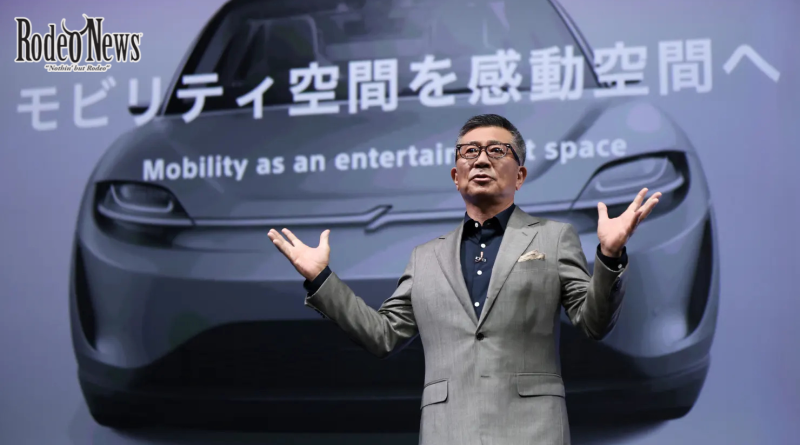
Sony Honda EV Cancelled: Shocking Strategy Shift Explained
The Sony Honda EV cancelled announcement has sent shockwaves across the global automotive and technology industries. The joint venture between Sony Group Corporation and Honda Motor Company—once seen as a bold move into the electric vehicle future—has abruptly halted its flagship Afeela EV program.
The decision follows a dramatic strategic overhaul by Honda, which is scaling back its electric vehicle ambitions amid slowing demand and mounting financial pressures. The fallout highlights a broader shift across the global auto industry, where even major players are reassessing their EV strategies.
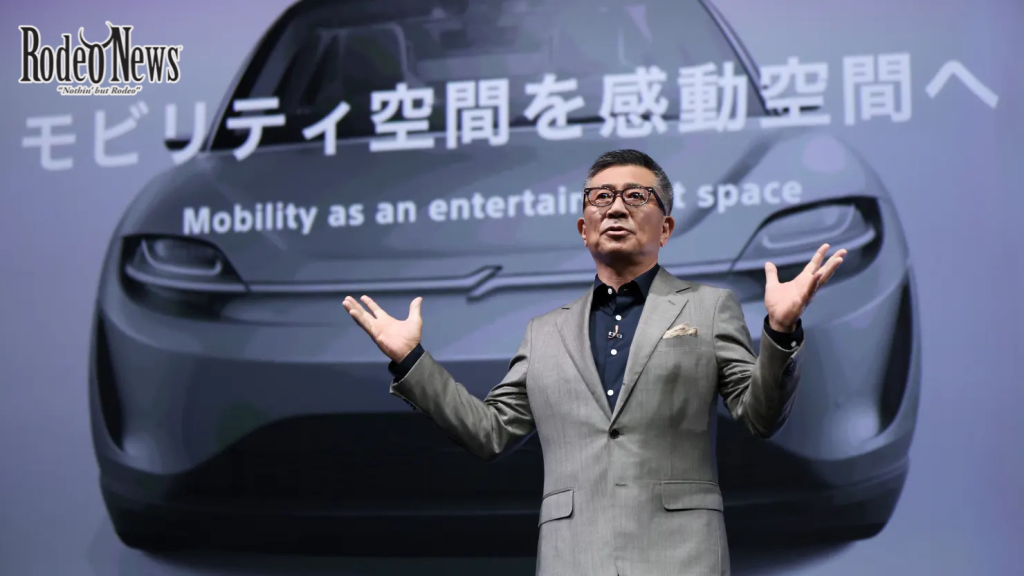
What Happened to the Sony Honda EV Project?
The joint venture, Sony Honda Mobility, was established in 2022 to combine Sony’s expertise in software and entertainment with Honda’s automotive engineering capabilities. Their flagship product, the Afeela EV, was positioned as a premium, tech-driven electric vehicle designed to compete with industry leaders.
However, the project has now been scrapped after Honda withdrew key support, leaving the venture without a viable path forward.
The company confirmed that it will refund customers who had reserved the Afeela 1 model, which was expected to launch in the United States.
This sudden cancellation marks a major setback for both companies and signals a deeper transformation in the EV landscape.
1. Honda’s $15.7 Billion Strategy Reset
At the heart of the Sony Honda EV cancelled decision is Honda’s massive financial reset. The company announced a writedown of up to $15.7 billion, reflecting losses tied to its electric vehicle investments.
This marks one of the largest strategic reversals in Honda’s history and could lead to its first annual loss in nearly 70 years as a publicly listed company.
Honda’s leadership concluded that continuing large-scale EV development was no longer financially sustainable under current market conditions.
2. Weak Global Demand for Electric Vehicles
Another major factor behind the cancellation is weaker-than-expected demand for EVs, particularly in key markets like Europe and North America.
While electric vehicles were once expected to dominate the market quickly, growth has slowed due to:
- High vehicle prices
- Limited charging infrastructure
- Consumer hesitation
As a result, automakers are now adjusting expectations and shifting strategies.
3. Policy Changes in the United States
Government policy has also played a crucial role. Recent rollbacks in EV incentives in the United States have reduced consumer demand and disrupted industry momentum.
For companies like Honda, which planned major EV production in North America, these policy changes have significantly altered the financial outlook.
Without strong incentives, EV adoption becomes slower, making large investments harder to justify.
4. Rising Competition From Tesla and China
The EV market is becoming increasingly competitive, dominated by established leaders and fast-moving newcomers.
Companies like Tesla continue to lead globally, while Chinese manufacturers are rapidly gaining ground with more affordable and technologically advanced vehicles.
Honda itself admitted that it struggled to compete in China, where newer EV makers offer better value for money.
This intense competition makes it extremely difficult for new entrants—even those backed by major brands like Sony—to succeed.
5. The Challenge of Entering the EV Market
The failure of the Afeela project highlights a broader reality: entering the EV market is far more difficult than expected.
Even major technology companies have struggled. Apple Inc. abandoned its own EV project after years of development.
Despite strong technological capabilities, companies face challenges such as:
- High development costs
- Complex supply chains
- Intense global competition
The Sony-Honda partnership aimed to overcome these barriers—but ultimately fell short.
What Was Afeela Supposed to Be?
The Afeela EV was designed as a premium electric vehicle combining cutting-edge technology with advanced mobility features.
It included:
- Dual electric motors with around 483 horsepower
- A range of approximately 300 miles
- Dozens of sensors for autonomous driving capabilities
- Integration with entertainment platforms and gaming systems
The vehicle was expected to redefine the driving experience by blending mobility with digital entertainment.
However, despite its innovation, the project could not overcome market realities.
Industry-Wide EV Slowdown
The Sony Honda EV cancelled story is not an isolated case—it reflects a broader trend across the automotive industry.
Major automakers including Ford and Stellantis have also reported significant losses and scaled back EV investments.
This shift signals a transition from aggressive EV expansion to a more cautious and balanced approach.
Many companies are now focusing on hybrid vehicles as a bridge between traditional combustion engines and fully electric models.
What Happens Next for Sony and Honda?
For Honda, the focus is shifting toward:
- Hybrid vehicles
- Cost optimization
- Gradual electrification
Meanwhile, Sony is likely to continue exploring mobility technologies but may take a more cautious approach after the Afeela setback.
Despite the cancellation, both companies stated that the financial impact of ending the joint project would not be significant for their overall business.
A Turning Point for the EV Industry
The cancellation of the Sony-Honda EV project marks a critical moment for the global automotive sector.
It underscores several key realities:
- EV adoption is slower than expected
- Profitability remains a major challenge
- Market competition is intensifying
Rather than a straight path toward electrification, the industry is entering a more complex phase of transition.
Conclusion
The Sony Honda EV cancelled decision highlights the growing challenges facing the electric vehicle industry. What began as a promising collaboration between two global giants has ended as a cautionary tale about the risks of entering a rapidly evolving market.
Honda’s massive strategic shift, combined with weak demand, policy changes, and fierce competition, ultimately made the Afeela project unsustainable.
As the EV landscape continues to evolve, one thing is clear: success will require not just innovation, but also adaptability, timing, and financial discipline.
The road to an electric future is still unfolding—but it may be longer and more uncertain than many once believed.