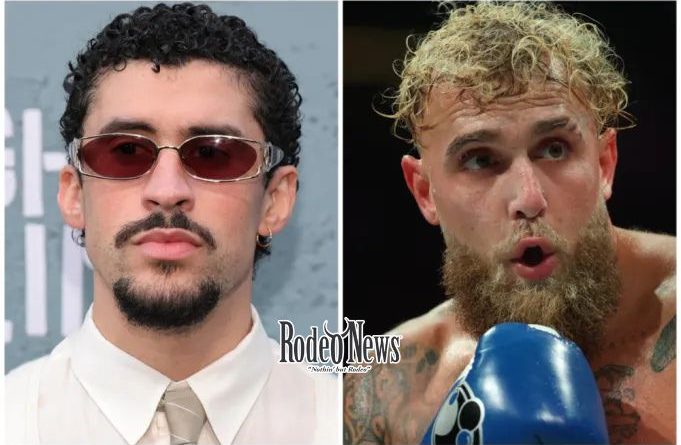
Jake Paul Calls for Super Bowl Halftime Boycott Over Bad Bunny Performance
Influencer and professional boxer Jake Paul sparked controversy on Sunday after urging viewers to turn off the Super Bowl halftime show during a performance by Puerto Rican global superstar Bad Bunny, framing the call as a protest against what he described as corporate overreach and cultural hypocrisy.
In a post on X, formerly Twitter, Paul encouraged his followers to deliberately avoid the halftime broadcast, arguing that viewership equates to corporate power.
“Purposefully turning off the halftime show,” Paul wrote. “Let’s rally together and show big corporations they can’t just do whatever they want without consequences (which equals viewership for them). You are their benefit. Realize you have power. Turn off this halftime.”
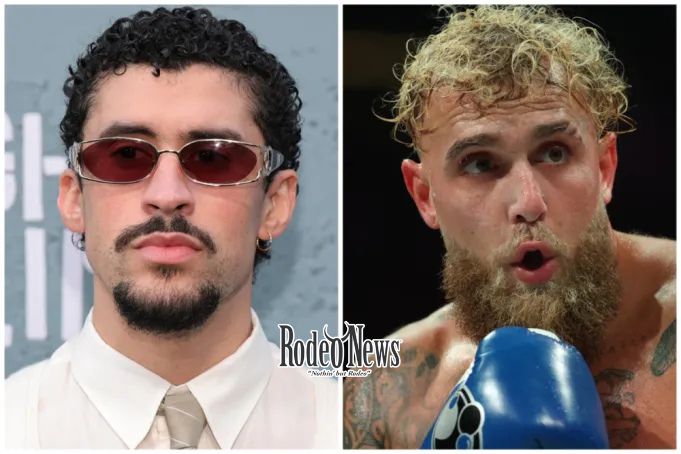
Paul went further, criticizing Bad Bunny personally and questioning his ties to the United States.
“A fake American citizen performing who publicly hates America. I cannot support that,” he added.
The comments quickly circulated online, drawing criticism from fans of the artist and prompting renewed scrutiny of Paul’s own relationship with Puerto Rico, where both he and his brother, Logan Paul, relocated in 2021.
Puerto Rico Move and Tax Incentives
Jake and Logan Paul moved to Puerto Rico during the pandemic, a decision Logan Paul later said was driven primarily by tax advantages offered under the island’s incentive programs. In an interview with Graham Bensinger, Logan Paul openly acknowledged that the relocation was financially motivated, a stance that has drawn criticism from some Puerto Ricans who argue that such programs accelerate gentrification and displacement.
The issue gained broader attention in 2022 following the release of Bad Bunny’s short documentary “El Apagón – Aquí Vive Gente,” which highlighted the impact of wealthy outsiders moving to Puerto Rico under tax incentive laws. The film explored how rising property prices and privatization have affected local communities.
That same year, Logan Paul criticized Bad Bunny during an appearance on The Philip DeFranco Show, accusing the artist of hypocrisy.
“I do find it hypocritical because Bad Bunny is a Puerto Rican, living in Puerto Rico, who is privately taking advantage of the same tax program that he is publicly condemning,” Logan Paul said at the time.
Bad Bunny has not publicly responded to Jake Paul’s latest remarks.
Pattern of Political and Cultural Provocation
The Super Bowl comments are the latest in a series of politically charged statements made by Jake Paul in recent weeks, particularly around immigration and law enforcement.
In a separate post on X, Paul argued that critics of Immigration and Customs Enforcement should not rely on emergency services.
“If you don’t like ICE then you can’t call 911 when you’re in trouble,” Paul wrote. “If you don’t respect law enforcement agents then you shouldn’t depend on them.”
The statement was widely criticized by civil rights advocates and social media users, who accused Paul of oversimplifying complex issues surrounding immigration enforcement and public safety.
Paul later escalated the rhetoric by targeting musician Billie Eilish after she condemned ICE during her acceptance speech at the 2026 Grammy Awards. In a post referencing the singer, Paul used a derogatory nickname and suggested she would rely on law enforcement if faced with a crime.
“When Billie Eyelash gets her home broken into it’s not gonna be f-ck ICE I can promise you that,” Paul wrote.
Public Reaction and Broader Implications
While Jake Paul has built a career on controversy and viral attention, critics argue that his comments around the Super Bowl halftime show reflect a growing tendency to frame cultural events as political battlegrounds.
Supporters, however, praised Paul for what they described as outspoken criticism of corporate influence and celebrity activism, echoing his call for consumers to exercise power through viewership choices.
The NFL and Super Bowl organizers have not responded to Paul’s remarks, and there has been no indication that his call for a boycott had any measurable impact on halftime viewership.
As one of the most influential figures to emerge from the YouTube era, Paul continues to blur the lines between entertainment, politics, and provocation — a strategy that has kept him in headlines even as it fuels ongoing debate over responsibility, influence, and the role of celebrity voices in public discourse.