
Pope Leo Angola Visit Slavery: A Historic Reckoning
The Pope Leo Angola visit slavery story has captured global attention as the pontiff travels through Africa confronting one of history’s darkest chapters. His visit to Angola, particularly to a church deeply tied to the transatlantic slave trade, is more than symbolic—it represents a moment of reflection, controversy, and potential reckoning.
As part of his first major African tour, Pope Leo XIV’s journey is unfolding against a backdrop of historical injustice, modern inequality, and growing calls for accountability.
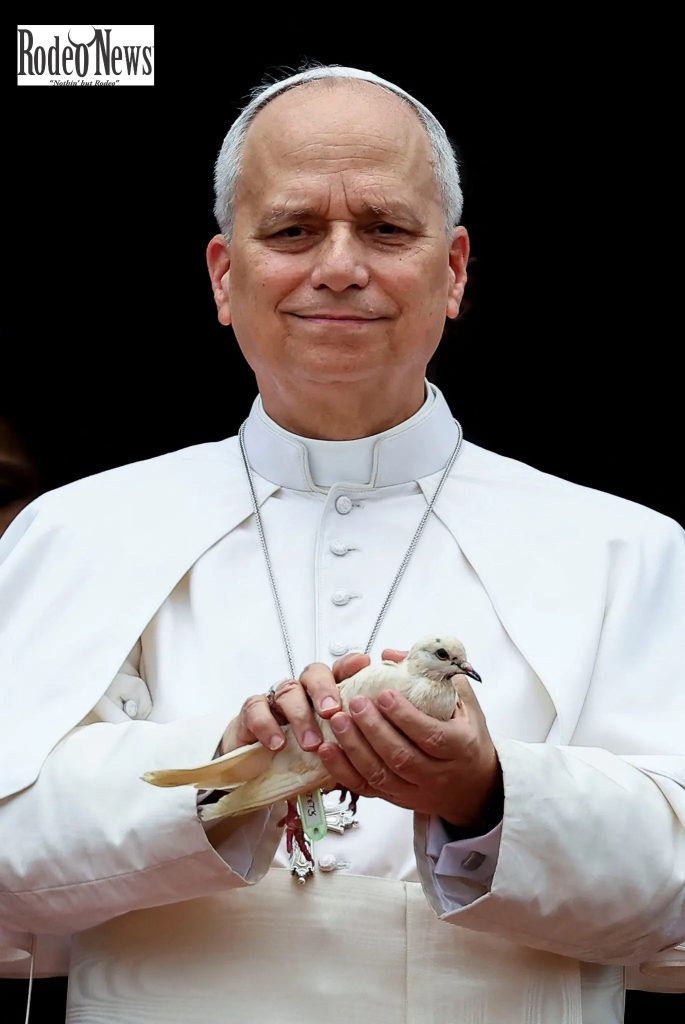
1. A Church Built on the Foundations of Slavery
At the center of the story is the Church of Our Lady of Muxima, a site that holds both spiritual and historical weight.
Constructed in the late 16th century by Portuguese colonizers, the church was not just a place of worship. It functioned as a critical hub in the transatlantic slave trade. Enslaved Africans were brought there, baptized, and then forced on a long march to Luanda before being shipped to the Americas.
This reality highlights a deeply uncomfortable truth: religion and exploitation were often intertwined during the colonial era. The church today stands as both a pilgrimage site and a reminder of that painful legacy.
2. Angola’s Central Role in the Slave Trade
The Pope Leo Angola visit slavery narrative cannot be understood without recognizing Angola’s historical significance.
Angola was one of the largest sources of enslaved Africans during the transatlantic slave trade. Historians estimate that over 5 million people were taken from Angola, accounting for nearly half of all enslaved Africans transported across the Atlantic.
This staggering number underscores the scale of human suffering tied to the region—and why the Pope’s visit carries such symbolic weight.
3. The Catholic Church’s Complicated Past
The visit also shines a spotlight on the Catholic Church’s historical involvement in colonial systems.
During the 15th century, papal directives granted European powers permission to enslave non-Christians. These policies were used to justify and expand the slave trade, embedding religious authority within the system of exploitation.
While the Church has since condemned slavery, its historical role remains a subject of debate. Pope Leo’s decision to visit such a site suggests an awareness of this legacy, even if a formal apology is not explicitly stated.
4. A Personal Connection for Pope Leo
What makes this moment even more compelling is Pope Leo XIV’s personal history.
Reports indicate that his ancestry includes both enslaved individuals and slaveholders in the United States.
This dual heritage adds a deeply personal dimension to the visit. It transforms the journey from a purely institutional act into something more introspective—linking global history with individual identity.
5. Silence or Statement? The World Watches
One of the biggest questions surrounding the Pope Leo Angola visit slavery event is whether he will directly address the issue.
So far, it remains unclear if the Pope will explicitly speak about slavery during his visit to the Muxima church.
However, even without a formal statement, the act of visiting the site carries symbolic meaning. For many observers, presence alone can signal acknowledgment—though critics argue that words and action must follow.
Angola Today: Wealth and Inequality
The historical context of slavery intersects with Angola’s present-day challenges.
Despite being rich in oil and natural resources, Angola continues to struggle with widespread poverty and inequality. More than 30% of its population lives in extreme poverty, highlighting a stark contrast between national wealth and everyday reality.
Pope Leo has used his African tour to speak out against exploitation and inequality, themes that resonate strongly in Angola.
A Broader Message: Colonial Legacy and Modern Justice
The Pope Leo Angola visit slavery story is not just about the past—it is about the present and future.
Across Africa, the Pope has been addressing issues such as:
- Corruption and governance
- Economic inequality
- The lingering effects of colonialism
His visit to Angola connects these modern challenges with historical roots. The legacy of slavery is not confined to history books—it continues to shape economic and social realities today.
Global Reactions and Expectations
Reactions to the visit have been mixed.
Some see it as a courageous step toward confronting historical truth. Others believe it falls short without a direct apology or concrete action.
Religious leaders and activists in Angola have expressed hope that the visit will:
- Encourage social justice reforms
- Strengthen local Church advocacy
- Highlight the need for accountability
At the same time, critics argue that symbolic gestures must be accompanied by meaningful change.
Why This Moment Matters
The Pope Leo Angola visit slavery event stands out for several reasons:
Historical Recognition
It brings global attention to Angola’s central role in the slave trade.
Institutional Reflection
It forces a closer look at the Catholic Church’s past involvement.
Personal Narrative
It connects global history with the Pope’s own ancestry.
Modern Relevance
It links historical injustice with present-day inequality.
The Road Ahead
Whether this visit becomes a turning point depends on what follows.
Will there be:
- A formal acknowledgment of the Church’s role?
- Concrete initiatives addressing historical injustice?
- Continued focus on inequality and exploitation?
These questions remain open.
What is clear, however, is that the visit has reignited a global conversation about slavery, responsibility, and reconciliation.
Conclusion: A Symbolic but Unfinished Chapter
The Pope Leo Angola visit slavery story is ultimately about confronting uncomfortable truths.
By stepping into a place where faith and exploitation once intersected, Pope Leo XIV has drawn attention to a legacy that still shapes the world today.
But symbolism alone is not enough.
The real impact of this visit will depend on whether it leads to deeper acknowledgment, meaningful dialogue, and lasting change.
For now, it remains a powerful moment—one that bridges centuries of history while raising urgent questions about justice in the modern world.