
Iran Says It Will Make No Nuclear Concessions as Strait of Hormuz Becomes Key to Talks
Iran has ruled out making concessions on its nuclear program even if the United States agrees to Tehran’s proposal to reopen the Strait of Hormuz, adding another major obstacle to efforts to end the conflict between the two countries.
A senior Iranian official told Reuters on September 25 that Tehran would maintain its position on its nuclear activities even if Washington accepts the conditions Iran has put forward for reopening the strategically important waterway. The official also said the Strait of Hormuz would remain closed until the United States meets what Iran considers its essential demands.
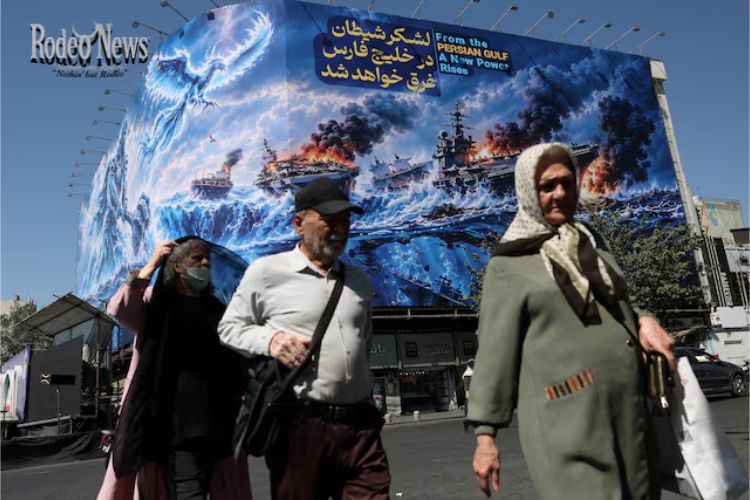
The statement comes as diplomatic efforts intensify during the United Nations General Assembly in New York. Iran has presented a proposal that would allow shipping through the Strait of Hormuz to resume within seven days if Washington takes several steps, including lifting a naval blockade on Iranian ports, releasing frozen Iranian funds and easing oil sanctions.
The proposal reflects the increasingly complicated nature of negotiations between Tehran and Washington. Both sides have indicated that diplomacy remains possible, but they continue to disagree sharply over the order in which concessions should be made.
Iran Draws a Line on Its Nuclear Program
The Iranian official, who spoke to Reuters on condition of anonymity, said Tehran would not surrender what it considers its nuclear rights.
Those rights include uranium enrichment and keeping highly enriched uranium inside Iran rather than shipping it abroad. The issue is among the most difficult parts of any potential agreement because the United States has repeatedly emphasized preventing Iran from developing a nuclear weapon.
Iran maintains that its nuclear program is peaceful and that it has no intention of building an atomic bomb. Western governments, however, have raised concerns about the level to which Tehran has enriched uranium.
Iran had accumulated a substantial stockpile of uranium enriched to 60%, according to estimates previously provided by the International Atomic Energy Agency. That level is significantly higher than what is normally required for civilian nuclear power, although it remains below the approximately 90% enrichment generally associated with weapons-grade material.
The amount of that stockpile that remains after attacks on Iranian nuclear facilities is uncertain.
Iranian officials have previously suggested that some compromises could be possible concerning the highly enriched material. President Masoud Pezeshkian has also indicated that Tehran could discuss its stockpile under certain conditions and within what Iran considers its international legal obligations.
The latest comments from the senior official, however, suggest that Tehran is drawing a distinction between individual measures involving its uranium stockpile and broader restrictions on the country’s nuclear program.
Strait of Hormuz Becomes Central to Negotiations
The Strait of Hormuz has emerged as one of the most important pressure points in the conflict.
The narrow waterway connects the Persian Gulf with the Gulf of Oman and is a critical route for global energy shipments. Its disruption has therefore raised concerns far beyond the immediate region, particularly among countries that rely heavily on oil and gas transported through the Gulf.
Iran has offered to reopen the waterway as part of a broader arrangement to stop hostilities. Under the proposal outlined by Foreign Minister Abbas Araqchi, Tehran would move toward reopening the strait within seven days if the United States agrees to several demands.
Those demands include lifting the naval blockade on Iranian ports, releasing frozen Iranian financial assets, removing oil-related sanctions and ending hostilities on other fronts, including Lebanon.
For Tehran, the proposal links the reopening of the waterway to the removal of economic and military pressure.
For Washington, however, the strait remains a major strategic issue. The United States has sought the restoration of free passage for commercial vessels while maintaining pressure on Iran over its nuclear program and other regional activities.
That difference has created a difficult negotiating sequence. Iran wants American action before reopening the waterway, while Washington has an interest in seeing movement on the strait before giving up some of its leverage.
Seven Months of War Have Raised the Stakes
The latest diplomatic effort comes after months of escalating conflict between Iran and the United States.
The confrontation has also spread across the region. Iran-aligned Houthi forces in Yemen have launched attacks involving missiles and drones, while Saudi Arabia has faced growing security pressure as fighting involving the Houthis intensifies.
The wider regional conflict has made negotiations more complicated because any agreement between Washington and Tehran could affect several other fronts simultaneously.
Iranian officials have argued that a broader settlement must address the regional conflict rather than focus exclusively on the nuclear issue.
Earlier this week, Pezeshkian said Tehran remained open to ending the war but would not accept surrender under American pressure. Reuters reported that Iranian and US positions remained far apart despite renewed diplomatic contacts.
The president has also suggested that the United States ultimately has a choice over whether it wants the conflict to continue.
US and Iran Remain Far Apart
Washington has repeatedly stated that preventing Iran from obtaining a nuclear weapon is a central objective.
US Secretary of State Marco Rubio said earlier this week that Washington was willing to speak with Iranian officials if such talks could contribute to an agreement preventing Iran from developing a nuclear weapon.
US President Donald Trump has meanwhile maintained pressure on Tehran while also leaving room for the possibility of a diplomatic agreement.
The two countries have not been able to bridge their differences over the key issues, particularly sanctions, military pressure, the Strait of Hormuz and the future of Iran’s nuclear activities.
The dispute over nuclear concessions could therefore become a defining test of whether the latest diplomatic initiative can produce a wider ceasefire.
A Difficult Path Toward an Agreement
Iran’s latest position does not necessarily close the door to negotiations. Instead, it indicates that Tehran intends to separate the question of reopening the Strait of Hormuz from what it regards as its fundamental nuclear rights.
That distinction could make future negotiations more complicated.
Iran wants sanctions and military pressure addressed before making major moves on the waterway. The United States has its own demands regarding nuclear restrictions and regional security.
At the same time, both sides have reasons to keep diplomatic channels open. Iran faces significant economic pressure, while the United States and regional governments have an interest in restoring stability and reliable commercial shipping.
The coming weeks could therefore focus heavily on sequencing: which side moves first, what commitments can be verified and whether temporary measures can create enough trust for broader negotiations.
For now, Tehran’s message is clear. Even if Washington accepts the conditions for reopening the Strait of Hormuz, Iran says its nuclear program will remain outside the scope of concessions it is prepared to make.
That position leaves the two governments facing a difficult diplomatic challenge at a moment when the consequences of continued conflict extend well beyond Iran and the United States.
Tags: Iran, United States, Iran nuclear program, Strait of Hormuz, Iran war, US Iran conflict, nuclear negotiations, Donald Trump, Masoud Pezeshkian, Abbas Araqchi, Middle East, world news