Strait of Hormuz Blockade: 5 Shocking Impacts
The Strait of Hormuz blockade has rapidly become one of the most dangerous geopolitical flashpoints of 2026. As tensions escalate between Iran and the United States, the narrow waterway—long considered the world’s most critical energy chokepoint—is now at the center of a high-stakes military and economic confrontation.
This unfolding crisis is not just a regional issue. Instead, it carries profound implications for global trade, energy markets, and international security. From rising oil prices to the risk of direct naval conflict, the situation is evolving fast and unpredictably.
Below are five shocking impacts of the Strait of Hormuz blockade that are already reshaping the global landscape.
1. Global Oil Supply Faces Immediate Disruption
The Strait of Hormuz blockade directly threatens one of the most vital arteries of global energy supply. Roughly 20% of the world’s oil passes through this narrow corridor every day. Therefore, even partial disruption sends shockwaves across international markets.
Oil prices have already shown signs of volatility. Traders, meanwhile, are reacting to uncertainty rather than actual shortages—for now. However, history suggests that prolonged instability in the region can trigger severe price spikes.
Additionally, major energy-importing nations such as China, India, and Japan are closely monitoring the situation. Their economies depend heavily on uninterrupted oil flows. As a result, any sustained blockade could force them to seek alternative suppliers at significantly higher costs.
2. Military Escalation Risks Are Rising Fast
The Strait of Hormuz blockade is not just about economics—it is a military flashpoint. The presence of naval forces, combined with reports of sea mines and intercepted vessels, has created a highly volatile environment.
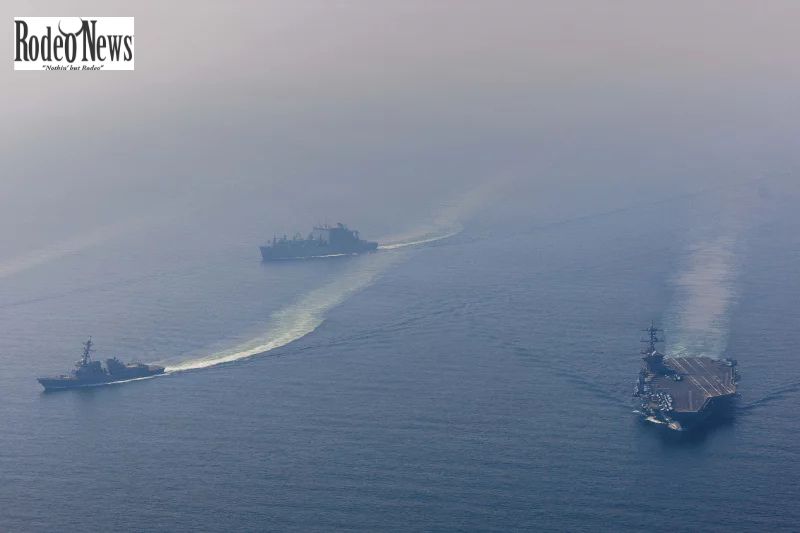
The United States has deployed significant naval assets to enforce its blockade targeting Iranian-linked shipping. Meanwhile, Iran has signaled its willingness to resist, warning that foreign military presence in the region could provoke retaliation.
This creates a dangerous cycle. Each move by one side increases the likelihood of miscalculation by the other. Even a minor incident—such as a collision, misidentified vessel, or warning shot—could escalate into a broader conflict.
Furthermore, regional actors are also watching closely. Countries in the Gulf may be drawn into the crisis, either directly or indirectly, further complicating the situation.
3. Shipping and Global Trade Are Under Pressure
Beyond oil, the Strait of Hormuz blockade is disrupting global shipping routes. Commercial vessels are now navigating a high-risk zone, where threats include mines, drone attacks, and naval inspections.
Shipping companies are already adjusting their strategies. Some are delaying voyages, while others are rerouting where possible. However, alternatives to the Strait of Hormuz are limited, making avoidance difficult.
Insurance costs for vessels transiting the area have surged. War-risk premiums, in particular, have increased sharply. Consequently, shipping expenses are rising, and these costs are often passed on to consumers.
Moreover, delays in shipping can disrupt supply chains worldwide. Industries ranging from manufacturing to retail may feel the impact, especially if the crisis persists.
4. Diplomatic Tensions Are Intensifying
The Strait of Hormuz blockade has triggered a wave of diplomatic activity. Governments across the world are calling for restraint while preparing for worst-case scenarios.
On one hand, Western allies are largely supporting efforts to maintain freedom of navigation. On the other hand, some countries are urging de-escalation and negotiation, fearing that further confrontation could spiral out of control.
International organizations are also stepping in. Calls for emergency meetings and diplomatic interventions are growing louder. However, achieving consensus remains difficult, given the complexity of the conflict.
Meanwhile, backchannel negotiations may be underway. Historically, crises in the Strait of Hormuz have often involved quiet diplomacy behind the scenes. Whether such efforts will succeed this time remains uncertain.
5. Long-Term Energy Strategy Could Shift
Perhaps the most lasting impact of the Strait of Hormuz blockade will be on global energy strategy. Crises like this often accelerate structural changes in how countries source and manage energy.
For instance, nations may increase investment in alternative routes, such as pipelines that bypass the strait. Others may expand strategic petroleum reserves to buffer against future disruptions.
Renewable energy could also gain momentum. As reliance on vulnerable chokepoints becomes more apparent, governments may double down on efforts to transition away from fossil fuels.
Additionally, energy diversification will likely become a top priority. Countries that depend heavily on Middle Eastern oil may seek to broaden their supplier base to reduce risk.
What Happens Next?
The future of the Strait of Hormuz blockade remains uncertain. Several scenarios are possible, each with significant implications.
In a best-case scenario, diplomatic efforts succeed, leading to de-escalation and the gradual restoration of normal shipping operations. However, this outcome requires cooperation and compromise from all sides.
In a more concerning scenario, tensions continue to rise. Increased military activity, combined with economic pressure, could push the situation toward open conflict.
There is also a middle ground. The blockade could persist in a limited form, creating ongoing instability without escalating into full-scale war. This scenario would still have serious economic consequences.
Why This Crisis Matters Globally
It is easy to view the Strait of Hormuz blockade as a distant geopolitical issue. However, its effects are far-reaching and deeply interconnected with everyday life.
Fuel prices, for example, are directly influenced by global oil markets. As prices rise, transportation and production costs increase, leading to higher prices for goods and services.
Financial markets are also sensitive to geopolitical risk. Investors tend to react quickly to uncertainty, which can lead to volatility in stocks, currencies, and commodities.
Furthermore, the crisis highlights the fragility of global supply chains. In an increasingly interconnected world, disruptions in one region can have ripple effects across continents.
Conclusion
The Strait of Hormuz blockade is more than a regional conflict—it is a global crisis with wide-ranging consequences. From energy markets to military stability, its impact is already being felt around the world.
The five shocking impacts outlined above—oil disruption, military escalation, shipping pressure, diplomatic tension, and long-term energy shifts—demonstrate just how significant this situation has become.
As events continue to unfold, the world will be watching closely. Whether this crisis leads to resolution or further escalation will shape not only the region but the global order in the months and years ahead.