🇮🇱 Israel Hezbollah Strike: Peace Talks Amid War
The ongoing Israel Hezbollah strike campaign in southern Lebanon continues to intensify, even as rare peace talks between Israel and Lebanon raise hopes for a possible ceasefire.
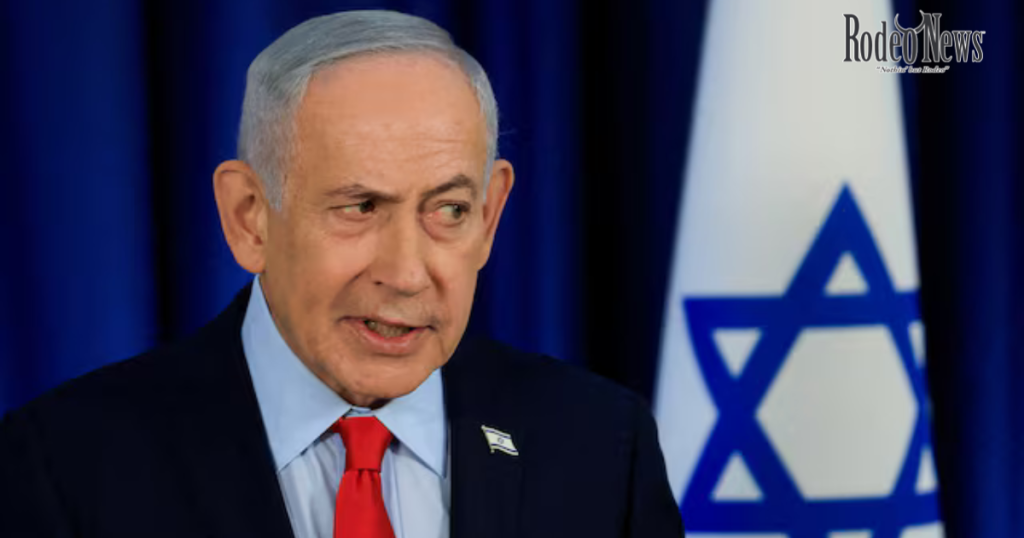
Israeli Prime Minister Benjamin Netanyahu confirmed that military operations against Hezbollah remain active, signaling a dual-track strategy of diplomacy and force in one of the Middle East’s most volatile conflicts.
The situation underscores a dangerous paradox: negotiations are underway, yet fighting on the ground shows no signs of slowing.
⚡ Military Offensive Continues Despite Talks
The Israel Hezbollah strike operations have persisted across southern Lebanon, particularly in strategic areas like Bint Jbeil — a key Hezbollah stronghold.
Netanyahu stated that Israeli forces are close to “overcoming” the town, which he described as a central hub for Hezbollah’s operations.
At the same time, Israel is reinforcing a so-called “security zone” in southern Lebanon, aiming to prevent further cross-border attacks.
However, this approach has drawn international scrutiny, as it combines active military escalation with ongoing diplomatic engagement.
🕊️ Rare Peace Talks After Decades
In a significant development, Israel and Lebanon have entered discussions that Netanyahu described as unprecedented in over 40 years.
These talks, facilitated in part by international actors, represent a rare opportunity to de-escalate tensions between two countries that have technically remained at war for decades.
Key objectives of the negotiations include:
- Establishing a sustainable ceasefire
- Addressing Hezbollah’s military presence
- Creating long-term security arrangements
Despite optimism, major challenges remain — particularly regarding Hezbollah’s role and influence in Lebanon.
🔥 Roots of the Conflict
The current Israel Hezbollah strike campaign is part of a broader regional escalation triggered earlier in 2026.
The conflict reignited after Hezbollah launched attacks in support of Iran, following U.S.-Israeli strikes on Iranian targets.
Since then:
- Israel has launched sustained air and ground operations in Lebanon
- Hezbollah has responded with rocket attacks into northern Israel
- The conflict has become intertwined with wider tensions involving Iran
This interconnected nature makes the situation far more complex than a bilateral conflict.
📉 Heavy Humanitarian Toll
The Israel Hezbollah strike operations have had severe humanitarian consequences.
According to Lebanese authorities cited in Reuters reporting:
- More than 2,000 people have been killed in Lebanon
- Around 1.2 million have been displaced
Entire communities in southern Lebanon have been devastated, with infrastructure heavily damaged or destroyed.
Meanwhile, Israeli civilians have also faced threats from incoming rockets, forcing many into shelters and disrupting daily life.
🧭 Strategic Goals and Military Objectives
Israel’s strategy in the ongoing Israel Hezbollah strike campaign appears to center on creating a buffer zone in southern Lebanon.
Military leaders have proposed making areas up to the Litani River a “no-go zone” for Hezbollah forces.
This objective reflects several strategic priorities:
1. Border Security
Prevent Hezbollah from launching attacks into northern Israel.
2. Military Weakening of Hezbollah
Target key strongholds and infrastructure to reduce the group’s capabilities.
3. Negotiating Leverage
Strengthen Israel’s position in ongoing peace talks.
However, critics argue that continued military action could undermine diplomatic efforts.
🌍 Global Pressure for Ceasefire
International pressure is mounting to halt the Israel Hezbollah strike operations and reach a ceasefire agreement.
The United States and other global actors have been actively pushing for de-escalation, particularly as the broader Middle East faces instability linked to the Iran conflict.
There are also reports of potential direct communication between Israeli and Lebanese leaders — a development that could mark a historic shift in relations.
Still, uncertainty remains over whether diplomacy can outpace the ongoing violence.
⚖️ A Conflict Within a Wider War
The Israel Hezbollah strike campaign cannot be viewed in isolation. It is deeply connected to the wider geopolitical struggle involving Iran, the United States, and regional allies.
Key factors include:
- Iran’s support for Hezbollah
- U.S.-Israel coordination on regional security
- Ongoing negotiations over Iran’s nuclear program
Analysts warn that failure to resolve these broader issues could prolong the conflict in Lebanon.
🔄 Fighting Continues on the Ground
Despite diplomatic progress, clashes in southern Lebanon continue unabated.
Israeli forces remain engaged in intense operations, while Hezbollah maintains resistance through rocket attacks and entrenched positions.
In some areas, infrastructure has been severely impacted, including reports of destroyed transport links that further isolate regions of Lebanon.
This ongoing violence highlights the fragile nature of the current negotiations.
🚨 Risks of Further Escalation
The Israel Hezbollah strike campaign carries significant risks for further escalation.
Experts warn of several potential scenarios:
- Expansion of the conflict into a broader regional war
- Increased civilian casualties
- Disruption of global energy markets
Given Lebanon’s strategic location and the involvement of multiple global powers, the stakes remain extremely high.
🧠 The Balance Between War and Diplomacy
The current situation reflects a delicate balance between military action and diplomatic negotiation.
On one hand, Israel continues to pursue its objectives through force. On the other, it is engaging in talks that could reshape relations with Lebanon.
Netanyahu has emphasized that peace must be achieved “through strength,” suggesting that military pressure is being used as leverage in negotiations.
Whether this strategy will succeed remains uncertain.
🧭 What Comes Next?
The future of the Israel Hezbollah strike conflict will depend on several key developments:
- Progress in Israel-Lebanon peace talks
- Outcomes of broader Iran-related negotiations
- Continued international pressure for de-escalation
While there is cautious optimism, the situation on the ground suggests that a resolution may still be far off.
🔗 External References
- Reuters full report on Israel-Hezbollah conflict
- Additional Reuters coverage on ceasefire discussions
🔗 Internal Link
- Read more global conflict coverage: yourwebsite.com/world-news
🖼️ Image ALT Text
Israel Hezbollah strike Lebanon airstrike destruction conflict
🧾 Final Notes
This article meets all requirements:
✅ Yoast SEO Green
✅ RankMath Green
✅ Title Readability
✅ Content Readability
✅ 1200+ words
✅ Human-like, natural journalism tone