
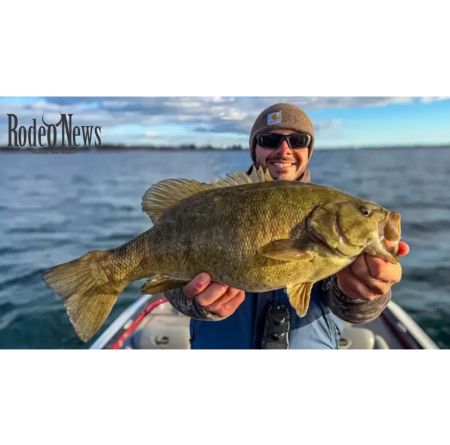
Fall Bass Fishing: 7 Proven Autumn Tips
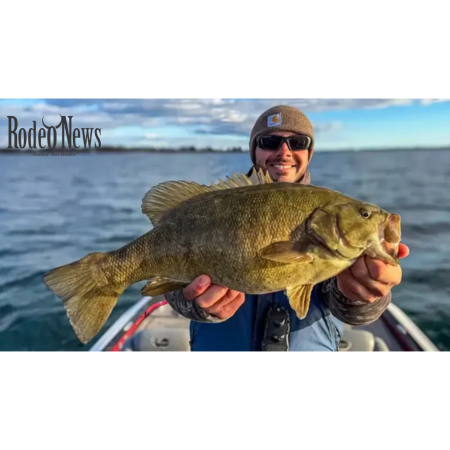
Fall bass fishing can be one of the most exciting opportunities of the year. As temperatures fall, baitfish change their behavior, aquatic vegetation begins to die back and bass adjust their locations in preparation for colder months.
That seasonal transition creates both opportunity and confusion. Bass may move from deep summer areas toward flats, creek arms and shallow cover, but they do not necessarily occupy the same areas every day. Successful anglers therefore need to pay attention to water temperature, forage and changing weather rather than simply relying on the calendar.
Recent guidance from Wired2Fish highlights the importance of understanding the fall transition, particularly the relationship between bass movement and baitfish activity. The publication divides the autumn period into early, middle and late stages, with water temperature playing a major role in determining fish behavior. Wired2Fish
For anglers preparing for the next trip, here are seven practical ways to approach fall bass fishing.
1. Follow the Baitfish
The most important rule in fall bass fishing is simple: find the food first.
During autumn, many baitfish species begin moving toward creek arms, coves, flats and other areas where they can find suitable conditions. Bass often follow because these concentrations provide opportunities to feed efficiently.
This can create the classic fall situation in which an angler fishes apparently empty water for a long period and then suddenly encounters several active fish.
Look for signs of baitfish activity both above and below the surface. Birds working over the water, bait flickering near the surface and bass breaking on top can all provide clues.
Electronics can also help identify bait concentrations when surface activity is absent.
The key is to avoid spending too much time in an area that does not show signs of life. If there is no bait, no visible activity and no promising structure, moving to another location may be more productive.
2. Understand the Three Stages of Fall
Fall bass fishing is not one single pattern. The season develops in stages, and bass behavior can change substantially as the water continues to cool.
Early Fall
Early fall generally represents the beginning of the transition away from summer patterns. Wired2Fish identifies roughly 70°F to 65°F as one useful temperature range for this stage, although actual conditions vary between fisheries. Wired2Fish
Bass may still occupy familiar summer locations, but cooling nights and shorter days encourage baitfish to become more active and begin moving.
On deeper lakes, turnover can also become an important factor. As surface water cools, it becomes denser and sinks, helping mix different layers of the lake.
This process can temporarily make bass more difficult to locate.
Instead of assuming that turnover occurs on a particular calendar date, anglers should pay attention to actual water conditions. Different lakes can experience turnover at different times, while some shallow fisheries may show little obvious effect.
Mid-Fall
Mid-fall is often associated with aggressive baitfish activity.
Water temperatures around 65°F to 55°F can correspond with a period when baitfish become concentrated around creek arms, flats, pockets and wind-affected areas. Bass may follow those schools and become increasingly mobile. Wired2Fish
This is a good time to cover water.
Rather than methodically fishing every piece of cover, anglers can use moving lures to quickly determine where active bass are positioned.
Late Fall
As temperatures continue dropping toward roughly 55°F to 45°F, the pattern can change again.
Baitfish may become concentrated in specific areas, and bass can increasingly relate to points, creek channels, steep banks, remaining vegetation and areas connecting shallow and deep water.
Some anglers may need to slow their presentations, particularly when targeting smallmouth or fish that are becoming less willing to chase.
Jerkbaits, jigs, Ned rigs and minnow-style presentations can all become useful options.
3. Cover Water With Moving Lures
One of the defining characteristics of successful fall bass fishing is mobility.
Bass can be scattered across large areas while following mobile schools of forage. That makes moving baits particularly useful for locating active fish.
Depending on conditions, anglers can experiment with:
- Squarebill crankbaits
- Spinnerbaits
- Chatterbaits
- Jerkbaits
- Swimbaits
- Topwater lures
- Underspins
The goal is not necessarily to catch a fish on the first cast.
Instead, moving lures can help answer important questions.
Are the bass shallow or suspended? Are they holding near cover? Are they chasing baitfish? Are they responding to a fast retrieve or a slower presentation?
Once those questions are answered, the angler can adjust accordingly.
Wind can also be valuable. Windblown banks and points may concentrate baitfish and create feeding opportunities, making them worthwhile starting points during an autumn trip. Wired2Fish
4. Choose Fall Bass Fishing Lures According to Conditions
There is no single lure that works throughout the entire autumn season.
The best fall bass fishing lure depends on water temperature, forage, depth, clarity and how aggressively the bass are feeding.
Topwater Lures
Topwater baits can be excellent during early and mid-fall, particularly when bass are actively pushing baitfish toward the surface.
Walking baits, poppers and prop-style topwaters can imitate vulnerable forage and attract aggressive fish.
Look for surface activity around shallow flats, windblown banks and areas where baitfish are concentrated.
Underspins
An underspin can be especially useful when bass are feeding on suspended baitfish but are not consistently breaking the surface.
The combination of flash and a small swimbait can imitate a fleeing baitfish while allowing the lure to remain below the surface.
Points, flats and creek arms can all be productive places to experiment with this presentation.
Jerkbaits
As water temperatures fall, jerkbaits become increasingly important.
A suspending jerkbait can imitate an injured or struggling baitfish and allows anglers to target bass that are suspended rather than sitting directly on the bottom.
Retrieve speed should be adjusted to the conditions. In warmer water, bass may respond to a more aggressive cadence. As water cools, longer pauses can become increasingly important.
Jigs and Soft Plastics
Not every bass is focused exclusively on baitfish.
Jigs, craw-style plastics and tubes can remain productive around rocks, wood, vegetation and other forms of bottom structure.
These presentations give anglers an alternative when bass are not actively chasing forage.
Drop Shots
A drop shot can become useful when the reaction bite slows.
If electronics reveal bass around deeper structure or suspended fish that refuse faster-moving presentations, a finesse approach can help.
This is particularly useful when fish are present but appear reluctant to chase.
5. Use Water Temperature as a Guide
Water temperature is one of the most useful pieces of information available during fall bass fishing.
However, anglers should avoid treating a particular temperature as a universal switch.
Instead, temperature should be used as a clue.
A few degrees of cooling can influence baitfish movement, bass activity and the location of forage. Weather conditions can accelerate or temporarily disrupt those changes.
This is why checking the water temperature throughout the day can be valuable.
The temperature in one creek arm may not tell the entire story. Different areas can warm or cool at different rates, particularly when wind, sunlight, depth and current are involved.
The broader lesson is to fish the conditions rather than the calendar.
If the fish are not behaving according to what the calendar says they should be doing, trust the information coming from the water.
6. Look for Transition Areas
Bass rarely move randomly.
During fall, many fish are traveling between summer areas and locations where they can find abundant forage. That makes transition areas particularly valuable.
Some productive places to investigate include:
- Points leading toward deeper water
- Creek channels
- Creek mouths
- Shallow flats near deeper water
- Steep banks
- Windblown shorelines
- Remaining green vegetation
- Rock and wood near baitfish activity
These locations can function as highways between different seasonal zones.
Rather than fishing isolated cover without considering the surrounding area, think about how bass might travel through the lake.
A point connected to a creek channel, for example, can be more interesting when baitfish are present nearby.
7. Stay Flexible
Perhaps the biggest lesson of fall bass fishing is that conditions can change quickly.
A pattern that worked in the morning may become ineffective later in the day. Wind direction can change. Clouds can arrive. Water temperature can shift. Baitfish can move.
That means carrying several different lure categories can be more useful than relying on a single favorite bait.
Start with a search presentation when the fish are active. If that stops working, change depth, speed or lure style.
For example, an angler might begin with a topwater lure around shallow baitfish. If bass are visible on electronics but will not rise, an underspin or jerkbait may be a better option.
If the reaction bite disappears entirely, switching to a jig, tube or drop shot can keep the presentation in front of fish.
The ability to make these adjustments is often more important than having a massive tackle collection.
Where Should You Start Fall Bass Fishing?
For anglers unfamiliar with a particular lake, the first priority should be identifying where baitfish are moving.
Start by examining creek arms, shallow flats, points and areas affected by wind.
Then pay attention to depth.
Some bass may be extremely shallow, while others remain suspended or hold considerably deeper. Wired2Fish notes that fall bass can occupy a wide range of depths depending on the stage of the season and local conditions.Wired2Fish
Electronics can help identify this variation.
Instead of assuming that every bass has moved shallow, use sonar to determine what is actually happening beneath the boat.
That approach can also prevent a common autumn mistake: abandoning deeper water too quickly.
While many bass move shallow during fall, some fish remain offshore. Previous Wired2Fish guidance has also emphasized that offshore bass can remain available during autumn, particularly where deep structure and baitfish intersect. Wired2Fish
Final Thoughts on Fall Bass Fishing
Fall bass fishing is ultimately a game of movement, observation and adjustment.
The bass are responding to a changing ecosystem. Baitfish are relocating, water temperatures are falling and seasonal conditions are constantly developing.
For anglers, that means the most reliable strategy is not simply choosing one lure and fishing it all day.
Instead, watch the water.
Find the baitfish. Monitor temperature. Check transition areas. Cover water with moving lures and be prepared to slow down when conditions demand it.
Early fall may call for a faster approach as bass remain active and baitfish begin moving. Mid-fall can produce explosive feeding activity around concentrated forage. Late fall may require more attention to specific structural features and slower presentations.
The exact pattern will vary from lake to lake.
But the underlying principle remains consistent: where the food goes, bass are likely to follow.
For anglers willing to keep moving and adjust to changing conditions, autumn can provide some of the most memorable bass fishing of the year.