Trump Iran Withdrawal Plan Revealed: What It Means for Global Stability
The possibility of a Trump Iran withdrawal without a formal agreement is rapidly becoming one of the most critical geopolitical developments of 2026. As tensions escalate in the Middle East, U.S. President Donald Trump has signaled that American forces could exit Iran “with or without a deal,” marking a significant shift in strategy that could reshape the region’s future.
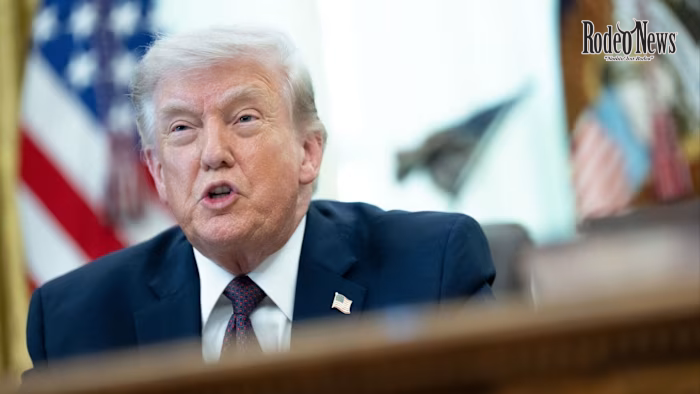
This statement comes amid ongoing military operations, fragile diplomatic efforts, and growing concerns about global energy markets and security alliances. The implications are vast—not only for Iran and the United States, but for the entire international order.
A Strategic Shift: Leaving Without a Deal
The idea behind a Trump Iran withdrawal without a negotiated settlement reflects a broader shift toward unilateral decision-making. According to recent developments, the U.S. administration appears less focused on securing a formal agreement and more concerned with achieving military objectives before exiting.
Recent reporting indicates that Trump believes the U.S. can conclude its campaign within weeks, emphasizing that a deal with Iran is not a prerequisite for withdrawal.
This approach suggests a key strategic calculation:
- Cripple Iran’s military capabilities
- Prevent nuclear development
- Exit quickly to avoid prolonged conflict
However, such a strategy carries significant risks. Without a formal agreement, there is no guarantee that Iran will adhere to any limitations or refrain from retaliatory actions.
The Military Context Behind the Decision
The ongoing conflict between the United States and Iran did not emerge overnight. It follows months of failed negotiations and escalating tensions over Iran’s nuclear ambitions.
Earlier diplomatic talks in early 2026 ended without a breakthrough, increasing the likelihood of military intervention.
Since then, the situation has intensified dramatically:
- Thousands of military targets have reportedly been struck
- Critical infrastructure has been damaged
- Regional tensions have spread beyond Iran’s borders
Trump has repeatedly framed the campaign as a necessary step to eliminate threats and ensure long-term security. In his view, once those objectives are met, continued presence in Iran becomes unnecessary.
“With or Without a Deal”: What Trump Really Means
The phrase “with or without a deal” is more than political rhetoric—it reflects a fundamental shift in how the U.S. approaches international conflict resolution.
Traditionally, U.S. military engagements are followed by negotiated settlements. In contrast, the Trump Iran withdrawal strategy appears to prioritize outcomes over agreements.
This approach carries several implications:
1. Reduced Dependence on Diplomacy
The U.S. may bypass prolonged negotiations, opting instead for decisive military action followed by withdrawal.
2. Increased Uncertainty
Without a formal deal, there are no enforceable commitments from Iran, raising the risk of renewed conflict.
3. Message to Allies and Adversaries
This move signals that the U.S. is willing to act independently—even in high-stakes geopolitical situations.
Global Reactions and Rising Concerns
The international response to the potential Trump Iran withdrawal has been mixed.
Allies
Some U.S. allies are concerned about the lack of coordination and the potential destabilization of the region. The absence of a diplomatic framework could leave a power vacuum.
Regional Powers
Countries in the Middle East are closely monitoring the situation, particularly regarding the Strait of Hormuz—a critical global oil route.
Disruptions in this area have already had economic consequences, including rising oil prices and supply chain concerns.
Iran’s Position
Iran has rejected key U.S. proposals and denies direct negotiations, highlighting the deep mistrust between the two nations.
This ongoing tension suggests that even if the U.S. withdraws, the conflict may not truly be over.
The Economic Impact of a U.S. Withdrawal
A Trump Iran withdrawal could have immediate and long-term economic effects.
Oil Markets
The Middle East plays a crucial role in global energy supply. Any instability—especially around the Strait of Hormuz—can lead to price spikes.
Recent developments have already pushed oil prices significantly higher, reflecting market anxiety.
Global Trade
Shipping routes, insurance costs, and trade flows could all be affected by continued uncertainty.
Investor Confidence
Markets tend to react negatively to geopolitical instability. A sudden U.S. withdrawal without a deal may increase volatility across financial systems.
Four Possible Endgames for the Conflict
Experts have outlined several potential outcomes for the ongoing conflict:
1. Rapid Withdrawal (Most Likely)
The U.S. declares victory and exits, leaving Iran’s government intact but weakened.
2. Negotiated Settlement
Despite current rhetoric, diplomatic efforts could still produce a deal.
3. Continued Air Campaign
The U.S. could extend its military operations in hopes of achieving a more decisive outcome.
4. Escalation with Ground Troops
Although less likely, deploying ground forces would dramatically increase the scale and risk of the conflict.
Each of these scenarios carries significant consequences, and none offers a clear, risk-free resolution.
Risks of a Withdrawal Without Agreement
While the Trump Iran withdrawal strategy may offer short-term advantages, it also presents serious risks:
Renewed Conflict
Without a deal, Iran could rebuild its capabilities and resume hostile actions.
Regional Instability
Neighboring countries may face increased security threats, leading to broader conflict.
Credibility Concerns
The U.S. may face criticism for abandoning diplomatic processes, potentially weakening its global influence.
Power Vacuum
A sudden withdrawal could create opportunities for other global powers, such as China or Russia, to expand their influence in the region.
Political Implications for Trump
Domestically, the decision to withdraw from Iran without a deal could have significant political consequences.
On one hand, it aligns with Trump’s long-standing promise to avoid prolonged foreign wars. On the other hand, critics argue that such a move could undermine long-term security.
The outcome of this strategy may ultimately shape how his presidency is remembered—either as a decisive end to conflict or as a missed opportunity for lasting peace.
What Happens Next?
The coming weeks are likely to be decisive. Trump has suggested that the conflict could end within a short timeframe, raising expectations of imminent developments.
Key factors to watch include:
- Whether military objectives are fully achieved
- Any signs of renewed diplomatic engagement
- Iran’s response to potential U.S. withdrawal
- The impact on global markets and alliances
As the situation evolves, the world remains on edge, waiting to see whether this bold strategy will bring stability—or further uncertainty.
Conclusion: A High-Stakes Gamble
The Trump Iran withdrawal plan represents a high-stakes gamble in one of the world’s most volatile regions. By prioritizing military outcomes over diplomatic agreements, the U.S. is taking a path that could reshape global geopolitics.
While the strategy may offer a quicker exit, it also raises critical questions about long-term stability, international cooperation, and the future of U.S. foreign policy.
In the end, whether this approach leads to peace or prolonged conflict will depend on what happens after the withdrawal—not just the decision itself.