Kim Jong Un Memes Flood Social Media as Iran–US War Dominates Global Headlines
As tensions escalate in the Middle East following military strikes involving the United States and Iran, social media users have turned an unlikely figure into the center of a viral online trend: North Korean leader Kim Jong Un.
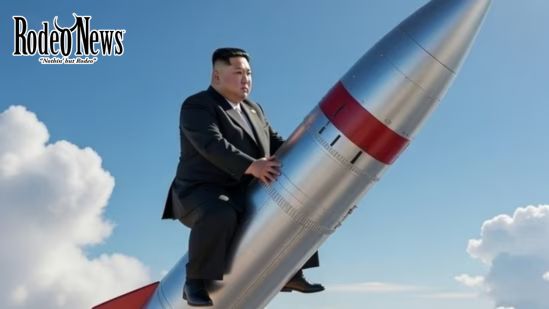
Across platforms such as X, Instagram and Reddit, memes depicting the North Korean leader have spread rapidly, casting him as a humorous “spectator” watching global events unfold from the sidelines. The trend highlights how internet culture often responds to major geopolitical crises with satire and humor—even as real-world stakes remain high.
A Meme Trend Born From Global Tensions
The meme surge coincides with an intensifying conflict in the Middle East after joint military actions by the United States and Israel targeted Iranian military facilities in late February 2026. The escalation triggered missile and drone responses from Iran and heightened fears of a broader regional war.
Against this serious backdrop, social media users began sharing images and edited photos of Kim Jong Un appearing confused, curious or left out as global powers clash. In many posts, the North Korean leader is shown staring through binoculars or watching television coverage of the conflict as if he were monitoring events from afar.
Other memes portray him waiting impatiently for a missile launch or wondering why he has not been drawn into the unfolding geopolitical drama.
“Best Toys but No Invitation”
One of the most widely circulated jokes suggests that Kim Jong Un—known for his country’s nuclear weapons and frequent missile tests—has the “best toys” but still hasn’t been invited to participate in the global confrontation.
The humor plays on the contrast between North Korea’s reputation as a heavily armed state and its absence from the current conflict dominating world headlines. Many posts jokingly portray Kim as experiencing “FOMO,” or the fear of missing out, while other nations exchange threats and military strikes.
The imagery has become so widespread that it has appeared across multiple countries’ social media conversations, illustrating how quickly political satire can travel across borders.
Social Media’s Role in Shaping Political Humor
Memes have increasingly become a lens through which younger audiences process global events. While some critics argue that humor risks trivializing serious conflicts, others see it as a reflection of how digital culture interacts with geopolitics.
Experts note that memes allow users to react instantly to breaking news, blending entertainment with commentary. In the case of Kim Jong Un, the internet appears to be using his well-known image and unpredictable reputation as a symbol of exaggerated military power.
Online posts often juxtapose images of the North Korean leader with captions implying he is waiting for a chance to demonstrate his missile arsenal or join the confrontation.
The Real Conflict Behind the Jokes
Despite the humor circulating online, the underlying conflict remains a serious and rapidly evolving situation.
The war began on February 28, 2026, when the United States and Israel launched large-scale strikes on Iranian military infrastructure and leadership targets. Iran responded with hundreds of missile and drone launches aimed at Israeli territory and U.S. military assets in the region.
The escalation followed months of political instability inside Iran and rising tensions between Tehran and Western allies.
Analysts warn that the confrontation carries the risk of drawing additional countries into the conflict, potentially widening the crisis across the Middle East.
A Digital Snapshot of Global Reactions
The viral Kim Jong Un meme phenomenon underscores a broader pattern in modern media: major world events often spark waves of online humor alongside serious reporting.
From pandemic lockdowns to international conflicts, social media platforms have repeatedly shown how quickly satire can spread during moments of global uncertainty.
In this case, the memes also reveal how internet culture often turns powerful political figures into caricatures, reimagining them as characters in an ongoing digital narrative.
For many users, the jokes serve as a way to cope with the tension surrounding a complex international crisis.
Humor in the Shadow of War
While the memes may provide momentary relief from the intensity of global news, experts emphasize that the underlying conflict remains volatile and unpredictable.
Yet the viral trend also illustrates how the internet continues to reshape the way people discuss politics and international relations.
Even during one of the most serious geopolitical confrontations of the year, millions of social media users have found a way to inject humor into the conversation—placing Kim Jong Un, unexpectedly, at the center of the joke.