White House Correspondents Dinner Shooting: 7 Key Facts
The White House Correspondents Dinner shooting sent shockwaves through Washington on April 25, 2026, turning one of the most prestigious political and media gatherings into a scene of panic and emergency response.
What began as a high-profile evening attended by journalists, politicians, and celebrities quickly escalated into a security crisis after gunfire erupted near the venue.
Here is a complete, verified breakdown of what happened, how authorities responded, and what it means going forward.
1. Gunfire Erupted Near the Event Entrance
The White House Correspondents Dinner shooting began outside the main venue during the evening hours, as guests were still arriving and security checks were underway.
According to early reports, an armed individual approached a secured checkpoint and opened fire. The sound of gunshots immediately triggered alarm among law enforcement officers stationed nearby.
Meanwhile, Secret Service agents and local police responded within seconds, moving to contain the situation before the suspect could penetrate deeper into the event.
2. Panic Spread Quickly Inside the Venue
Inside the ballroom, confusion spread rapidly. Many attendees initially believed the noise was unrelated to a threat. However, once security personnel began issuing commands, the seriousness of the situation became clear.
Guests were instructed to take cover or evacuate. Some individuals reportedly ducked under tables, while others moved toward emergency exits under guidance from security teams.
Despite the chaos, authorities managed to maintain relative order, preventing a stampede or further injuries.
3. Donald Trump Was Swiftly Evacuated
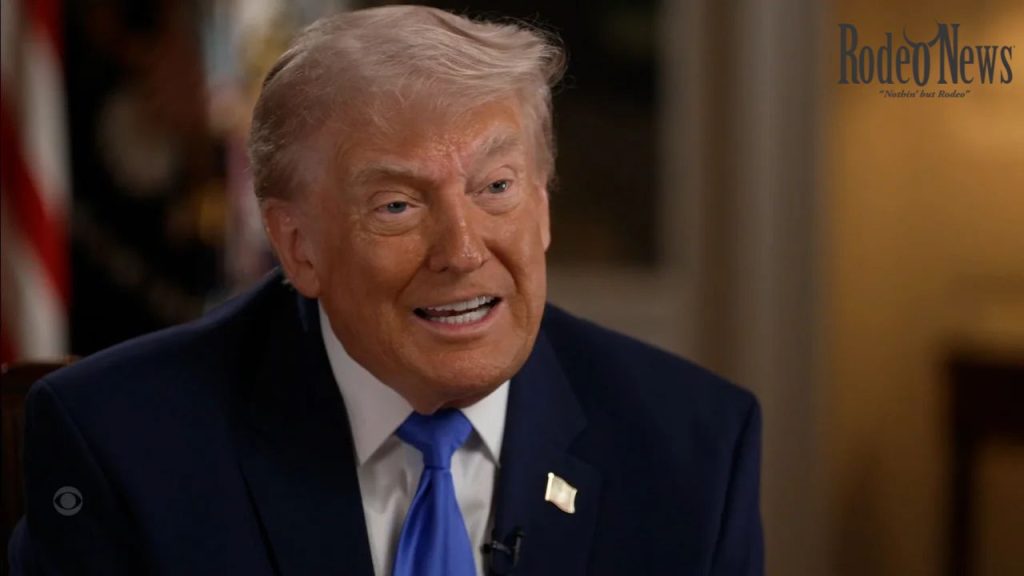
One of the most critical aspects of the White House Correspondents Dinner shooting was the rapid evacuation of former President Donald Trump.
Secret Service agents immediately escorted him from the venue to a secure location. The evacuation followed established emergency protocols designed specifically for high-risk scenarios involving protected individuals.
Importantly, Trump was not harmed during the incident. Other high-ranking officials present at the event were also safely removed.
4. Suspect Taken Into Custody at the Scene
Law enforcement officers successfully detained the suspect shortly after the shooting began. Authorities confirmed that the individual was apprehended at the scene without prolonged confrontation.
Initial reports indicate the suspect was armed with multiple weapons. However, investigators are still working to determine how the individual approached the heavily secured perimeter.
The suspect is believed to have acted alone, though officials have not ruled out further connections pending investigation.
5. One Officer Injured but Protected
During the response to the White House Correspondents Dinner shooting, at least one law enforcement officer was struck by gunfire.
Fortunately, the officer was wearing a protective vest, which prevented life-threatening injuries. Officials later confirmed that the officer is expected to recover fully.
This detail highlights the importance of protective equipment and preparedness in high-risk security environments.
6. Event Abruptly Halted
The dinner, known for its blend of journalism, politics, and entertainment, was immediately halted following the incident.
Organizers and authorities made the decision to suspend the event to ensure the safety of all attendees. The venue was secured, and a full sweep was conducted to rule out additional threats.
As a result, the evening ended without the traditional speeches and programming that typically define the event.
7. Investigation Into Motive Ongoing
Authorities have launched a full investigation into the White House Correspondents Dinner shooting, focusing on the suspect’s background, intent, and possible affiliations.
So far, no clear motive has been publicly confirmed. Investigators are analyzing evidence, including weapons, digital records, and witness statements.
Meanwhile, officials have emphasized that there is no ongoing threat to the public.
Security Concerns Take Center Stage
The White House Correspondents Dinner shooting has reignited debate around security measures at high-profile political events.
Although the event already features extensive protection—including Secret Service presence, metal detectors, and controlled access points—the incident revealed potential vulnerabilities.
Security experts are now calling for additional layers of defense, including expanded perimeter zones and enhanced screening technologies.
Broader Implications for Public Events
This incident may influence how large-scale gatherings are organized in the future. Political events, in particular, are likely to face stricter protocols and increased scrutiny.
For example, organizers may implement earlier lockdown procedures, limit access points, or introduce more advanced surveillance systems.
Furthermore, coordination between federal and local agencies is expected to intensify to prevent similar incidents.
Public Reaction and Political Impact
The White House Correspondents Dinner shooting has drawn strong reactions from both political leaders and the public.
Many officials expressed relief that no fatalities occurred, while also stressing the seriousness of the breach. Others highlighted the need for unity and vigilance in the face of security threats.
On social media, discussions have centered around safety, gun laws, and the evolving risks associated with public events.
Historical Context of the Event
The White House Correspondents Dinner has long been considered a symbol of the relationship between the press and political leadership.
Traditionally, it serves as a platform for speeches, humor, and reflection on the role of journalism in democracy.
However, the 2026 incident marks a rare and alarming disruption in its history, potentially reshaping how the event is perceived moving forward.
What Happens Next
Authorities will continue investigating the White House Correspondents Dinner shooting in the coming weeks.
Key areas of focus include:
- The suspect’s motive
- Security gaps at the venue
- Potential policy changes
Meanwhile, event organizers and government agencies are expected to review and strengthen existing protocols.
Conclusion
The White House Correspondents Dinner shooting stands as a stark reminder that even the most secure and prestigious events are not immune to threats.
Thanks to the rapid response of law enforcement and security personnel, the situation was contained before it escalated further.
However, the incident raises important questions about safety, preparedness, and the future of large public gatherings in an increasingly unpredictable world.