Trump’s Prime-Time Speech: What He Claimed vs. What the Data Shows
Slug: trump-speech-fact-check-economy-immigration-2025
Focus Keyword: Trump speech fact check
Related Keywords: Trump economy claims, Trump immigration narrative, inflation data, tariff impacts, fact check Trump address, 2025 U.S. politics
Meta Description: In his December 17, 2025 prime-time speech, President Trump made sweeping claims about the economy and immigration. Here’s a fact-checked breakdown of what he said versus what the data shows.
Trump’s Speech and Broad Claims
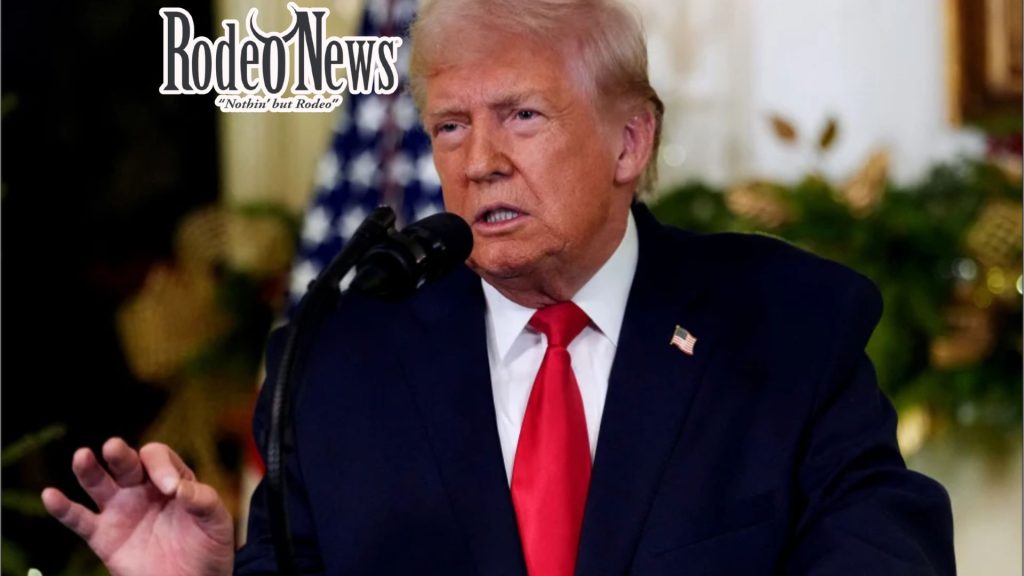
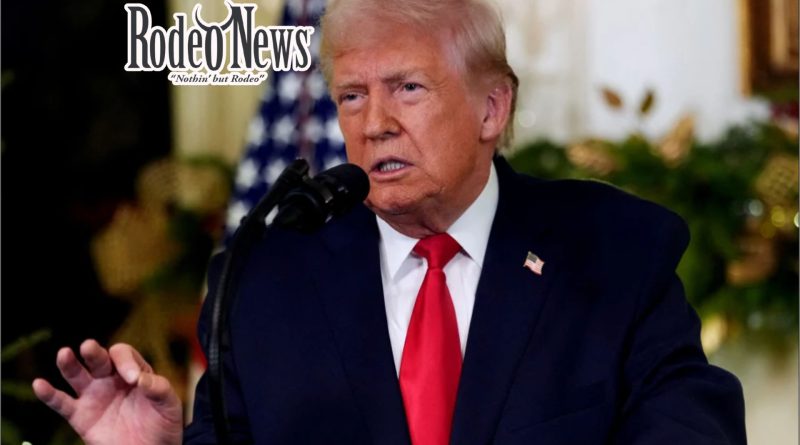
On December 17, 2025, President Donald Trump delivered a nearly 20-minute prime-time address from the White House focused on the economy, immigration, and his agenda for the coming year. Trump portrayed the U.S. economy as rebounding and inflation as dramatically reduced, while casting immigration enforcement as a central national success. His remarks also included policy teasers, such as future housing initiatives and a one-time “warrior dividend” for military members.
The speech occurred amid slipping public approval on Trump’s handling of both the economy and immigration — with polls showing diminished confidence even among some Republican voters.
Economic Claims vs. Verified Data
1. Inflation and Cost of Living
What Trump said:
He claimed his administration inherited “the worst inflation in the history of our country” and suggested prices are falling rapidly.
What the data shows:
- Official inflation figures remain around 3%, essentially unchanged from the start of his term, and far from the “worst ever” — a distinction historically held by periods such as the early 20th century and the late 1970s.
- Prices for many consumer goods continue to rise year-over-year, and anecdotal “low” gas price reports do not reflect national averages.
Takeaway: Trump’s portrayal oversimplifies complex inflation trends and exaggerates recent progress.
2. Investment and Job Growth
What Trump claimed:
He touted roughly $18 trillion in new investments and broadly asserted job growth across the nation.
- Independent analysis indicates the total figure is overstated; official White House tallies list a lower cumulative number, and a significant portion represents pledges not yet realized.
- Manufacturing jobs nationally have declined, even if some local sectors see gains.
Takeaway: Investment numbers are inflated, and job claims lack nuance on participation and sector trends.
3. Unemployment and Economic Confidence
Independent analysts, including CNN’s chief data analyst, have noted that the unemployment rate has risen modestly since January 2025 and that consumer confidence on inflation and jobs remains weak
Trump also cited tariff policies as a success; however, some economists argue tariffs can increase costs for U.S. consumers and slow economic growth — a view reflected in broader skepticism about the affordability of everyday goods.
Immigration Claims vs. the Facts
1. Border Security and Job Claims
Trump’s narrative:
He repeatedly framed illegal immigration as a crisis and linked it to job losses or economic pressure.
Fact check:
- Assertions like “100% of new jobs” going to migrants or blanket claims about criminal immigrants are unsupported by labor and border statistics. Multiple outlets have debunked these as exaggerated or false.
- While border apprehensions have fluctuated, historical data shows low monthly totals even in earlier decades, and the broader context complicates blanket narratives of “invasion” or total job displacement.
Political and Public Reaction
Critics, including Democratic lawmakers and independent analysts, argued Trump’s speech blended political rhetoric with factual inaccuracies. Some noted that the warrior dividend announcement lacked formal congressional authorization, underscoring the difference between intention and actual policy implementation.
Public polling also reflects declining approval for Trump’s handling of key issues like the economy and immigration — a central tension the speech aimed to address
Conclusion
President Trump’s December 2025 address was ambitious in scope and designed to shift the narrative on affordability and national confidence heading into 2026. While certain elements — like reducing some costs or tightening border enforcement — resonate with specific voters, many broad claims don’t align with independent data or expert analysis.
Fact-checking from multiple news outlets and analysts shows a pattern of overstatement and selective framing, particularly on inflation, investment, job creation, and immigration statistics.
For readers seeking clarity, separating rhetoric from verifiable data remains essential to understanding the real trends behind the headlines