Trump Orders Full Blockade on Venezuelan Oil
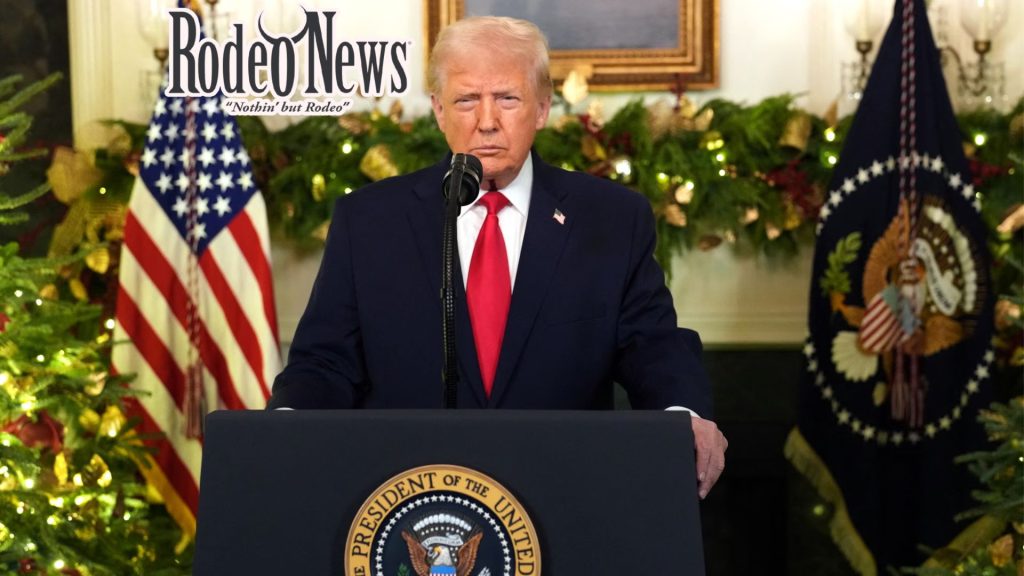
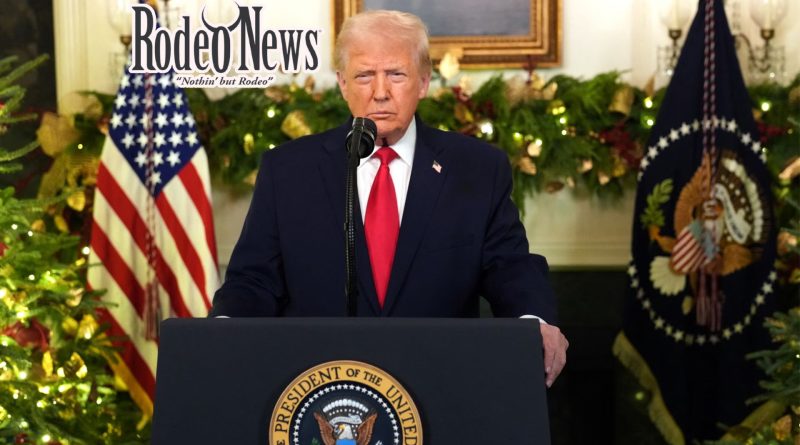
In a major escalation of U.S. pressure on Venezuela, President Donald Trump ordered a complete blockade of all sanctioned oil tankers entering and leaving Venezuelan ports — a move that risks significant geopolitical and economic consequences. Trump claimed Caracas had “illegally taken” U.S. oil rights and vowed to reclaim them, although these assertions echo longstanding resource disputes rather than fresh legal determinations.
The administration has also deployed thousands of troops and nearly a dozen warships, including the U.S. Navy’s largest aircraft carrier, to waters north of Venezuela. Caracas condemned the blockade as “warmongering” and a threat to its sovereignty, accusing Washington of attempting to seize Venezuelan wealth.
Energy markets responded sharply — Brent and U.S. crude prices climbed as traders reassessed supply risks tied to Venezuela’s vast petroleum reserves.
Military Action and Broader Security Operations
Alongside the Venezuela pressure campaign, U.S. military forces carried out a lethal strike on a vessel in the eastern Pacific, killing four individuals the Pentagon identified as narco-terrorists engaged in drug trafficking. Defense officials framed the operation as part of a broader effort to curb illicit trafficking routes, though critics question its coherence with broader foreign policy goals.
Domestic Politics: Healthcare, Legal Battles and Congressional Conflict
Back in Washington, political ground remains unsettled.
Healthcare Subsidies Fight: A group of House Republicans joined Democrats to force a vote extending Affordable Care Act subsidies for three years as lawmakers prepare for the year-end recess. House Minority Leader Hakeem Jeffries publicly urged Speaker Mike Johnson to allow an immediate vote on the measure.
Jack Smith Testifies: Former special counsel Jack Smith, whose office previously prosecuted President Trump, defended his investigations before a congressional panel. Smith reiterated that evidence justified prosecutorial actions taken against Trump — an assertion that continues to stoke partisan conflict
FCC Independence Under Scrutiny
The Trump-appointed chair of the Federal Communications Commission (FCC), Brendan Carr, testified before Congress amid controversy over the agency’s role and independence. Carr suggested the FCC is not fully autonomous, a stance underscored by the rapid removal of the word “independent” from the FCC’s official mission statement online.
Democratic senators sharply criticized Carr, arguing his statements align the agency too closely with executive priorities and threaten free speech protections. The debate follows Carr’s scrutiny over actions targeting broadcasters and public figures — including remarks involving comedian Jimmy Kimmel — that raised alarms about potential political influence over media regulation.
Looking Ahead
As the holiday recess nears, lawmakers face mounting pressure to resolve high-stakes policy battles. At the same time, the Trump administration’s aggressive posture toward Venezuela and regulatory shifts in domestic agencies are reshaping the U.S. political landscape. Whether these tensions ease or escalate in the coming weeks remains a central question for policymakers and global observers alike.