Exploring Khmer-Chinese Relations Through Art: A Landmark Exhibition at Cambodia’s National Museum
Phnom Penh, Cambodia — A groundbreaking exhibition at the National Museum of Cambodia is shedding light on the deep-rooted cultural and artistic exchanges between Cambodia and China. Titled “Historical Bonds: Khmer-Chinese Relations Through Culture and Arts,” the exhibition, which opened on November 19, 2025, invites visitors to explore centuries of interaction between the two nations.
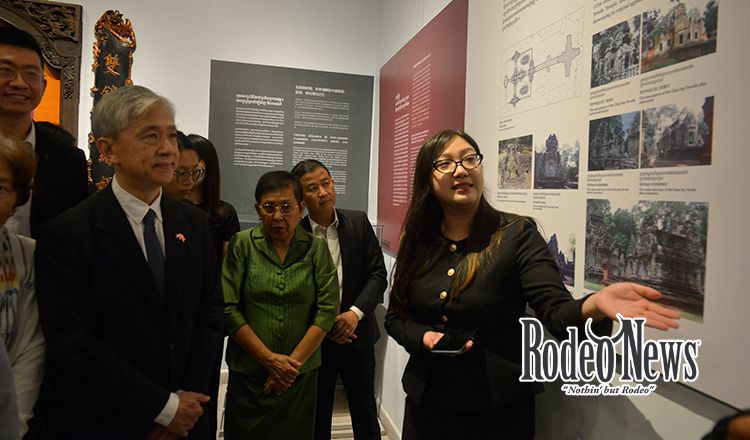
The exhibition, located in the museum’s South Temporary Exhibition Hall, will run until February 28, 2025, offering a rare opportunity to delve into the historical ties that have shaped the artistic landscape of both Cambodia and China. The event was formally inaugurated by Phoeurng Sackona, Cambodia’s Minister of Culture and Fine Arts, alongside the Chinese Ambassador to Cambodia, Wang Wenbin.
A Fusion of Cultures Through Art
Organized by the Museum Department in partnership with the China Academy of Cultural Heritage, the exhibition presents a fascinating narrative of Khmer-Chinese relations, emphasizing cultural and artistic exchanges that span centuries. Key institutions such as the China-Cambodia Joint Working Group for the Conservation of Angkor and the APSARA National Authority have played vital roles in this project. Academic contributions from the Preah Vihear National Authority and the Preah Khan of Kampong Svay project, led by Professor Mitch Hendrickson, have also helped bring this initiative to life.
The exhibit features a variety of ancient Chinese artefacts, alongside Khmer artworks influenced by Chinese culture. This mix of historical objects showcases the evolution of Khmer perceptions of China and its people over time. Ancient Chinese art, once considered lucky in China, is now being appreciated in Cambodia for its artistic craftsmanship and symbolic significance.
A Celebration of Khmer-Chinese Cultural Cooperation
In her opening remarks, Minister Phoeurng Sackona highlighted the significance of the exhibition in reflecting the shared history and continued cultural exchange between the two nations. She noted that the exhibition is not only a testament to historical exchanges but also to the ongoing efforts of both countries’ peoples to preserve and celebrate their cultural heritage.
“Through these displays, we witness the strength of cultural cooperation, which continues to enrich both Cambodian and Chinese societies,” Sackona said.
The exhibition also sheds light on the more recent initiatives to conserve heritage sites such as Angkor and other historic Cambodian landmarks, emphasizing the importance of joint efforts in the field of cultural preservation. The collaboration between Cambodia and China in the realm of heritage conservation and academic research serves as a modern bridge, further strengthening the cultural ties between the two countries.
Chinese Ambassador Highlights the Importance of Ancient Objects
Chinese Ambassador Wang Wenbin, who also attended the opening, reflected on the cultural significance of ancient Chinese objects, which are often viewed as symbols of good fortune in China. According to Ambassador Wang, these artefacts symbolize more than just historical value; they represent a deeper, shared understanding between the two nations that transcends time.
“The ancient artefacts displayed here are not only pieces of history,” said Wang. “They are representations of luck, prosperity, and the enduring friendship between China and Cambodia.”
A Special Showcase of Contemporary Collaborations
While the exhibition primarily focuses on ancient objects, it also highlights the contemporary aspects of Khmer-Chinese cultural relations. Organizers point to the continued vitality of these ties through modern collaborations in heritage conservation, academic research, and artistic expression. This ongoing partnership remains central to both nations’ efforts to strengthen bilateral relations.
National Museum Director Chhay Visoth referred to the event as a “special exhibition” that brings together ancient relics from Chinese art, as well as Khmer perspectives on Chinese culture. According to Visoth, the exhibition aims to illustrate the dynamic and evolving nature of Khmer-Chinese relations, not just through historical artefacts but also through shared experiences of heritage preservation.
A Timely and Important Exhibition
As the exhibition continues to run until February 28, 2025, visitors have the chance to immerse themselves in a rich narrative of Khmer-Chinese relations through the lens of art and culture. Whether it’s the ancient artefacts or the modern conservation efforts, the exhibition provides a comprehensive view of how two distinct cultures have influenced and supported one another over the years.
This exhibition is more than just a display of art; it is a testament to the ongoing cooperation between Cambodia and China, proving that the past and present continue to shape the future of their cultural exchange.
Conclusion
The “Historical Bonds: Khmer-Chinese Relations Through Culture and Arts” exhibition at the National Museum of Cambodia is a significant milestone in celebrating and preserving the rich cultural history shared by Cambodia and China. With both historical and contemporary perspectives on the relationship between these nations, the exhibition invites visitors to explore the depth of this longstanding cultural bond.
For those interested in exploring how the Khmer and Chinese cultures have influenced each other through art and history, this is an opportunity not to be missed.