Key Science Highlights — Nov 21, 2025: Interstellar Comet, Moss in Space & More
Key Science Highlights — Nov 21, 2025
Here’s your roundup of the most important science news for Nov 21, 2025 — from deep space to biology on the International Space Station (ISS) to public health drama.
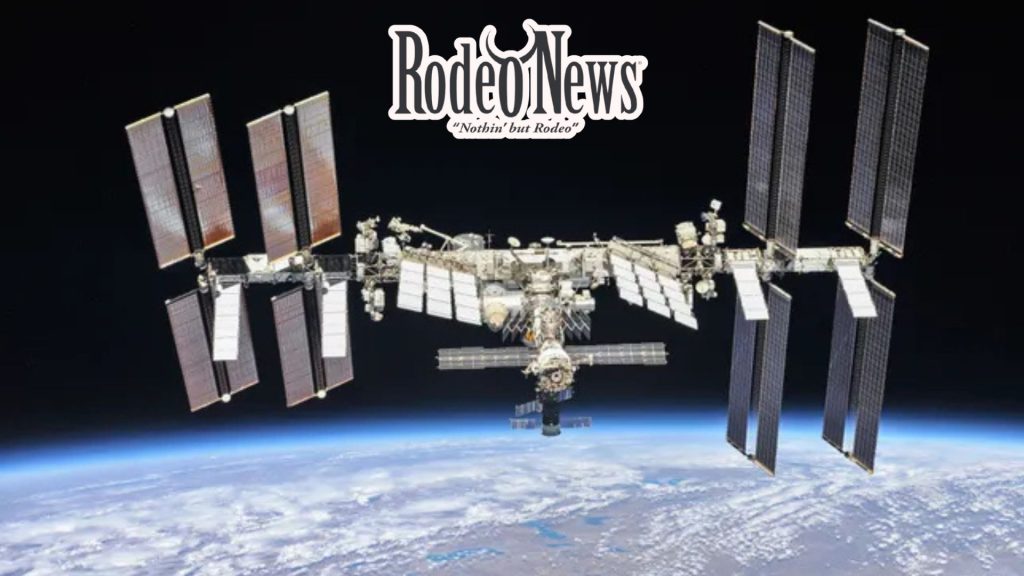
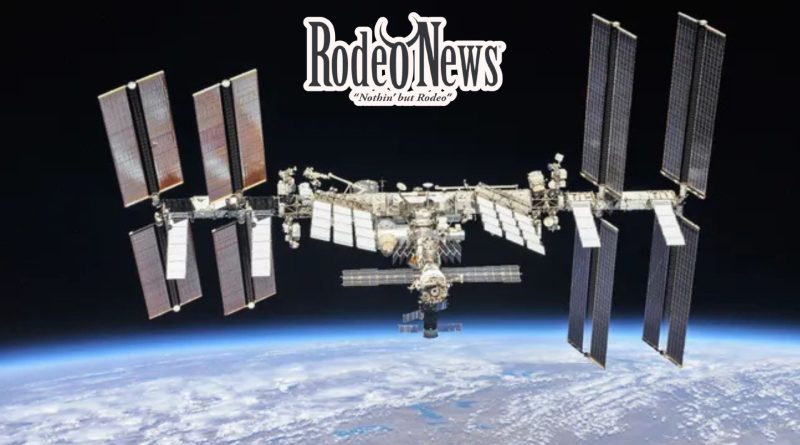
- Moss Thrives on the Outside of the ISS
A remarkable experiment on the International Space Station showed that a species of moss, Physcomitrium patens, survived nine months exposed to the harsh conditions of space — including vacuum, radiation, and temperature extremes. Despite these challenges, more than 80% of moss spores remained viable and were successfully germinated back on Earth. Researchers even identified the moss’s sporophytes as particularly resilient. The findings, published in iScience, highlight the potential of simple plants like moss to contribute to future space-based ecosystems.
- NASA Releases Stunning Images of Interstellar Comet 3I/ATLAS
NASA has finally shared high-resolution images of 3I/ATLAS, the interstellar comet that’s captured global attention. Observed by the HiRISE camera aboard the Mars Reconnaissance Orbiter, these compelling images provide an unprecedented view of the comet — revealing its structure, nucleus, and tail in rich detail.
3I/ATLAS stands out not just for its size (around 11 km wide) but also because it may be billions of years older than our Sun. Traveling at over 130,000 mph, it’s giving scientists a rare chance to study material from another star system. Despite speculative chatter, astronomers remain confident: this is a natural comet, not an alien probe.
By analyzing the comet’s composition and brightness, researchers hope to learn more about its origins — potentially shedding light on the conditions in its home system, and the broader history of interstellar space.
- Public Health Shake-Up: CDC Under Fire
Back on Earth, the U.S. Centers for Disease Control and Prevention (CDC) is facing serious criticism. Its website has recently been criticized for including content that aligns with debunked anti-vaccine views, fueling concern among public health experts. This controversy comes at a delicate moment, as the U.S. is also grappling with a surge in measles cases: experts warn that the country could lose its measles elimination status within two months if the trend continues.
Why It Matters
Space biology: The moss experiment demonstrates that simple life can adapt to extreme off-world environments — a key insight for long-term space exploration.
Interstellar research: Studying 3I/ATLAS helps us peek into another star system’s past, potentially offering clues about how comets form and evolve.
Public health: The CDC controversy underscores how science communication and trust are just as critical as scientific discovery, especially when it comes to vaccination and disease prevention