Trump-Era Boat Strikes Against Drug Traffickers Raise War-Powers and Legal Questions
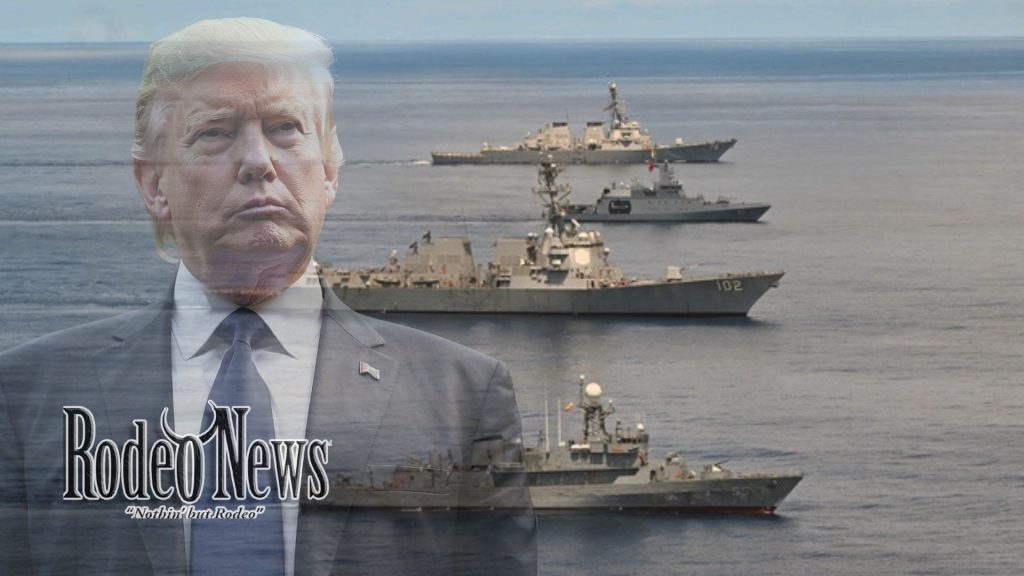
In recent months, the U.S. has dramatically escalated the use of military force against suspected narco-trafficking vessels in international waters — a campaign emerging under the Trump administration that is prompting serious questions about legal authority, oversight and what constitutes legitimate use of force at sea.
What’s happened
Since early September, U.S. military and intelligence assets have struck multiple boats alleged to be transporting illicit narcotics from Latin America toward the United States. At least 60 people have been killed in these operations so far.
The administration has framed these missions as part of a broader war on drug cartels, designating certain organizations as “narco-terrorists” and justifying maritime strikes under self-defence and national-security narratives
Why lawmakers are raising alarms
Members of Congress, especially Democrats on intelligence and armed-services committees, say they have been kept in the dark. They are demanding detailed briefings, intelligence disclosures and legal justifications. The Washington
In particular, they dispute whether:
- the targets were lawful military objectives,
- lethal force in international waters can be justified absent imminent threat, and
- the president’s unilateral authority overrides the need for congressional authorisation under the War Powers Resolution. FactCheck.
Legal and international-law questions
Experts warn that U.S. actions may not align with established rules of armed conflict. While the administration claims Article II constitutional authority and Title 10 defence powers, key issues remain unresolved: whether the struck vessels posed an armed attack threat, whether the individuals were combatants, and whether the strikes breach maritime and human-rights law. FactCheck.
One illustrative case: A boat reportedly struck by U.S forces was already turning back toward shore — raising doubts about the immediacy of a threat and the justification for lethal force. AP News
Strategic and political implications
The strikes carry significant strategic risks: diplomatic fallout with regional partners, degradation of intelligence-sharing, and setting precedents for extraterritorial use of force. Politically, the White House appears to be leveraging these operations to strengthen the “tough on drugs” credentials of the Trump administration — even as some Republicans express concern about bypassing Congress. Politico
What happens next
Congress may intensify efforts to assert its war-powers role — possibly introducing resolutions challenging the strikes or demanding formal authorisations. Meanwhile, legal and human-rights scrutiny may lead to investigations or multilateral criticism. The opaque nature of the operations and resistance to full disclosure mean the debate is likely to deepen.
In short, the injection of U.S. military force into counter-narcotics operations at sea under the Trump administration is shifting both the strategic and legal terrain. For Congress, allies and international law observers alike, the key questions are: when does drug interdiction become warfighting — and who decides?
Latest coverage on U.S. military boat strikes and oversight concerns